Leica SL3-P
Weddings & Wildlife
and the 100-400 Vario Elmar
Jonathan Slack
June 25th 2026
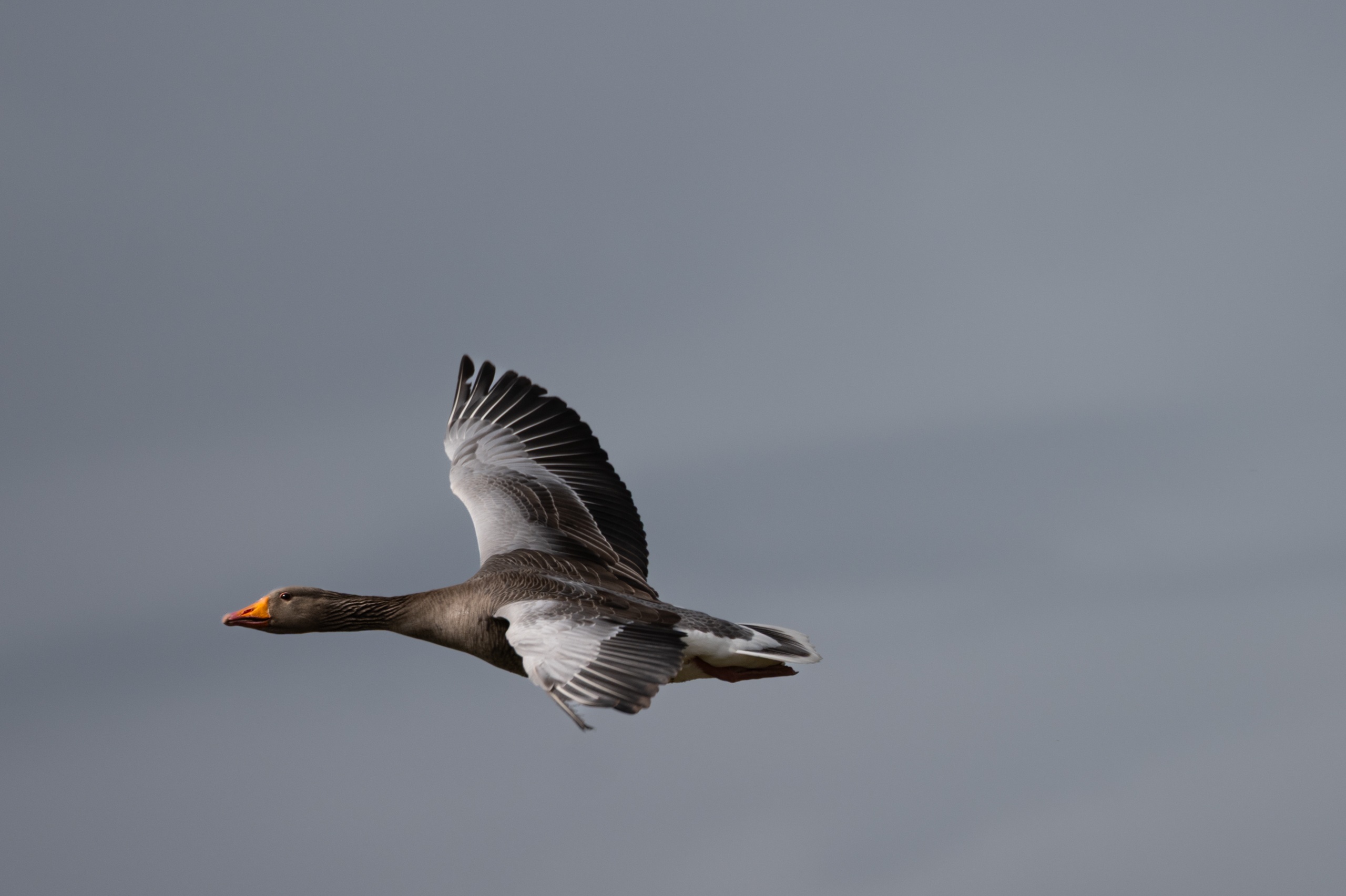
Morning Flight
Leica Vario-Elmar SL 1:5-6.3 100-400 ISO 160 @ 400mm
Introduction
Today Leica has not only announced a new member of the SL family of cameras, but also two new lenses, both of which are excellent additions to the L mount stable.
This article is mainly about the new camera, the Leica SL3-P. I won’t go into comparisons with the SL2 - most of this is covered in my articles about the SL3 -
click here and the SL3-S -
click here.
I have been shooting with the SL3-P since back in November last year, so this really is a long term test.
First impressions were that the camera was kind of a half way house between the SL3 and the SL3-S but extended use and firmware updates have definitely changed my feelings on that.
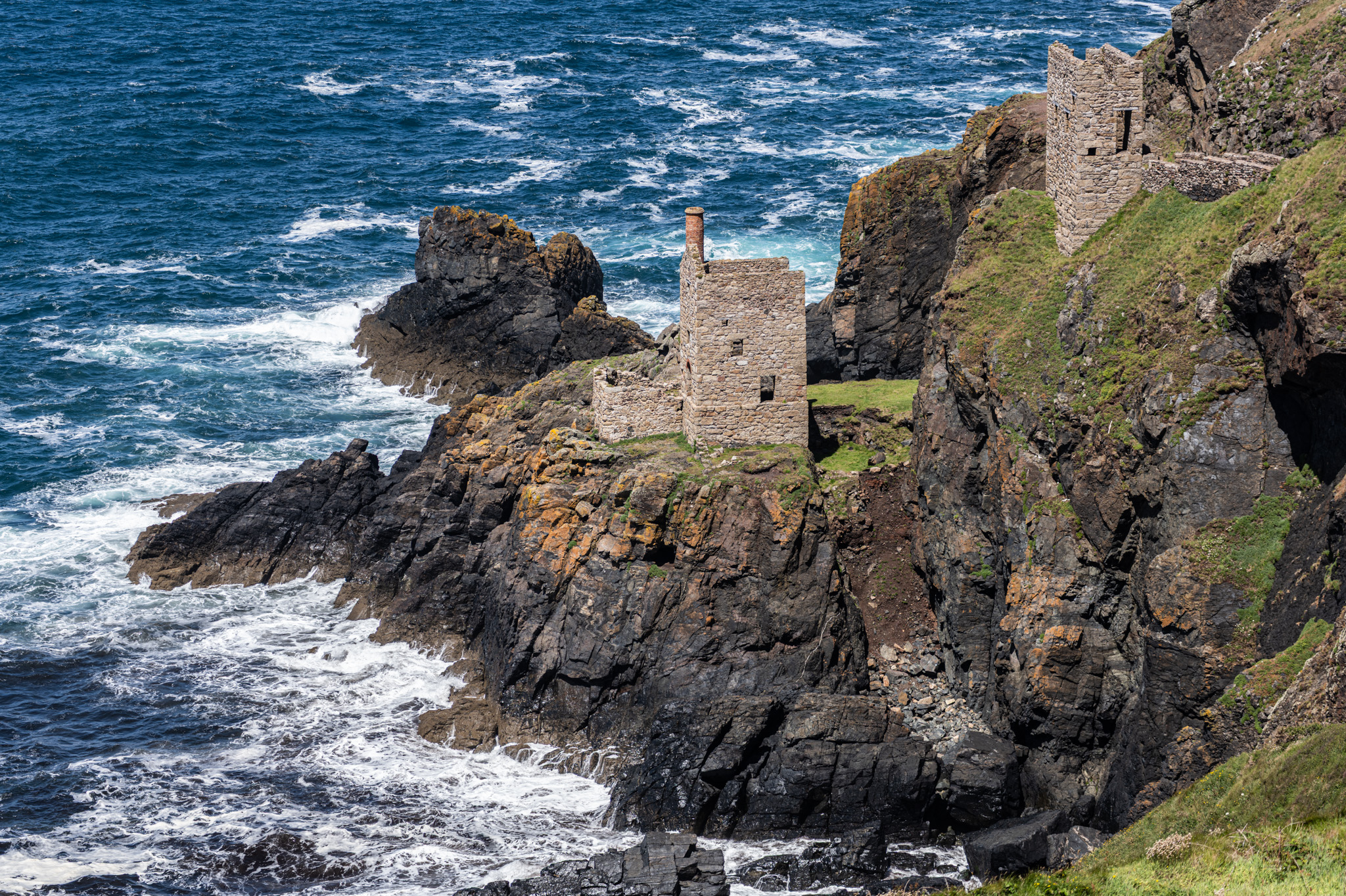
Botallack
Leica Vario-Elmar SL 1:5-6.3 100-400 ISO 100 @100mm
I have been shooting quite a lot of nature photography over the last couple of years, I don’t have the patience to sit for hours in hides waiting for a duck to move, but I do spend a lot of time walking in the countryside and taking pictures of what turns up, whether it’s a bird in flight, a zooming dog or an interesting flower.
For this type of work I have been using an OM System OM-1ii together with their 40-150 (80-300 equivalent) and 50-200 (100-400 equivalent) lenses. The camera has a stacked sensor providing lightning fast focusing and of course with the µ43 sensor the kit is all pretty light to carry about. That, and their clever computational options (pre-capture, focus stacking, multi-shot mode etc.) make it a compelling package.
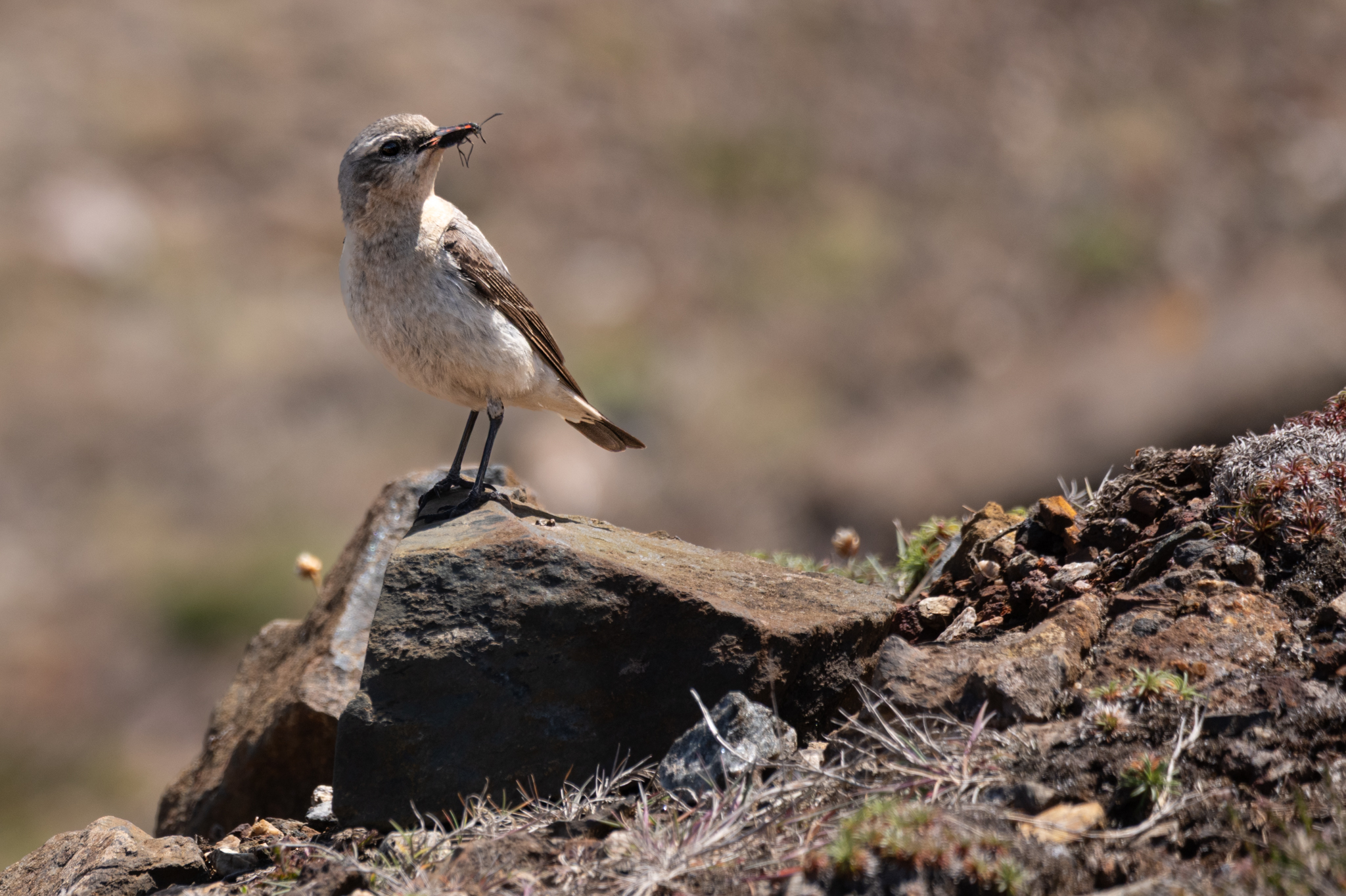
Rock Pippet with a 9 spotted Burnett (Amata Phegea)
Leica Vario-Elmar SL 1:5-6.3 100-400 ISO 640 @211mm
Perhaps the elephant in the room here is that the SL3-S does not have a stacked sensor. I’m going to address that concern directly in this article.
When Leica lent me the Vario-Elmar SL 100-400 f5-6.3 in April I thought it would be an interesting exercise to compare the SL3-P and to see whether it could replace the OM-1ii with it’s stacked sensor for this type of nature and wildlife photography (something for which the OM System is renowned).
I’m going to concentrate on Nature, Wildlife and Weddings in this article. However I’m planning a second article in July to look at the
Ladies Tractor Road Run.
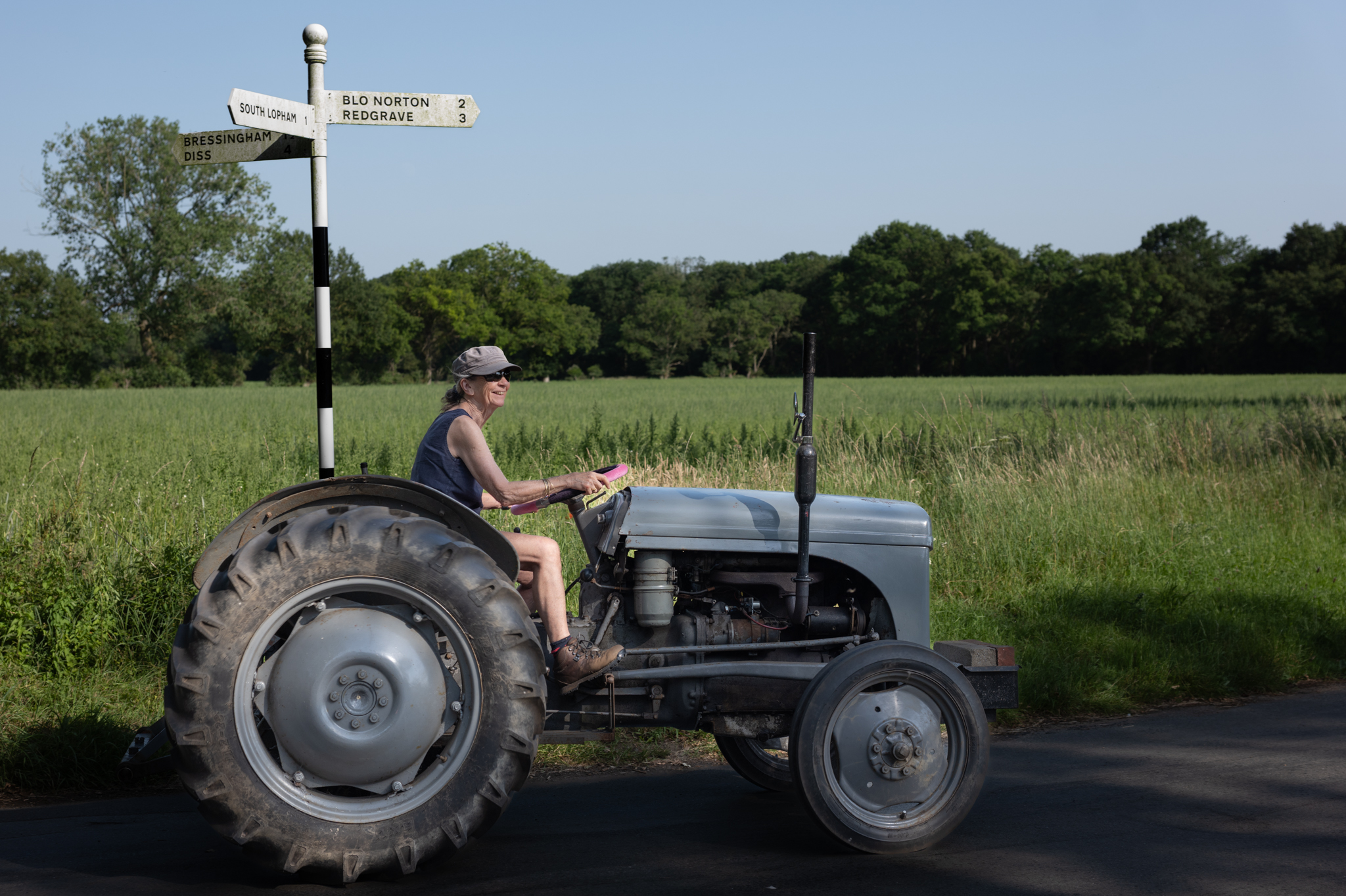
This year’s event is on July 5th, and as usual my wife Emma will be driving her Little Grey Fergie. It’s always my biggest gig of the year, I take upwards of 2000 images of which most have to be good enough to use (the Ladies use them for their fund raising efforts). If you would like to donate to Emma's run there is a link at the bottom of this article.
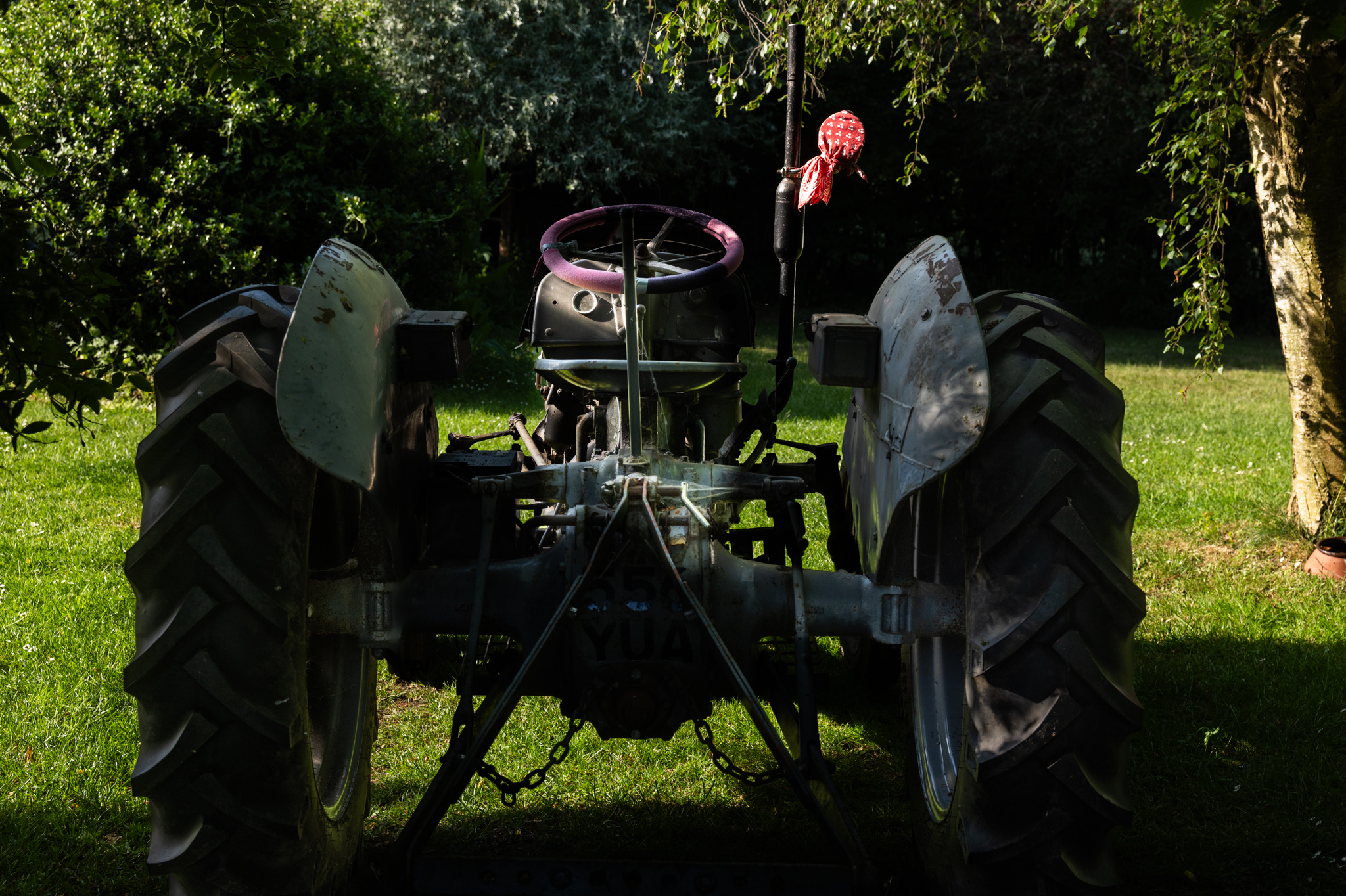
Emma's Little Grey Fergie
Leica Vario-Elmarit 24-90 ISO 100 @51mm
The Camera
The body is fundamentally the same as the other two SL3 cameras - lighter than the SL2 but with a deeper grip.
Construction is all in metal and it is dust and splash proof to IP54, which, in real life does seem to mean that it’s fine to shoot for hours in a downpour (at least I have done that on a number of occasions!).
The SL3 has Leica in white on the body, with a red dot, the SL3-S has black writing and a red dot. The SL3-P is splitting the difference with white writing but no red dot. It certainly does look very handsome.
The camera absolutely feels like a premium product; right down to the buttons and dials. It’s a lovely thing. Perhaps that shouldn’t be important, but I always think it’s better to be working with satisfying tools. Of course the whole SL3 family qualifies, but I think this camera with the white writing and no Red Dot looks particularly elegant.
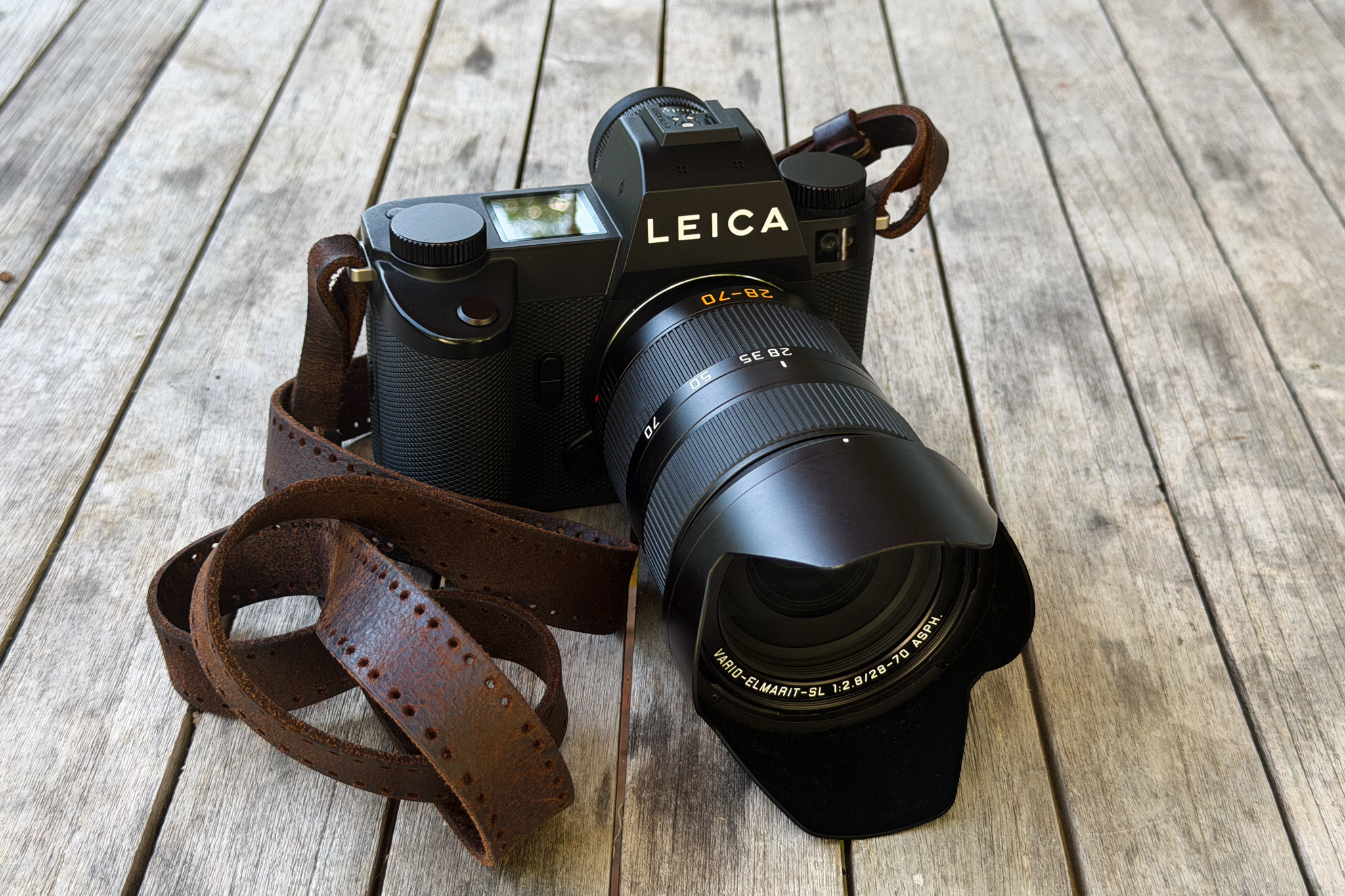
The Handsome SL3-P with the lovely little Vario-Elmarit 28-70 f2.8
Worth mentioning that this camera has been in constant use for nearly 9 months with above 10,000 shots (iPhone 17 pro)
The User Interface
We are now on version 4.0.1 for the Leica SL3 family. Leica have continually refined and updated the firmware and the user interface. I think that it’s a work of real inspiration.
Each of the function buttons can be programmed individually - you don’t need to do this through the menu. You simply long press on a button and a list of options appears - there are about 60 possibilities, but you can limit these in the Settings to whichever subset you like.
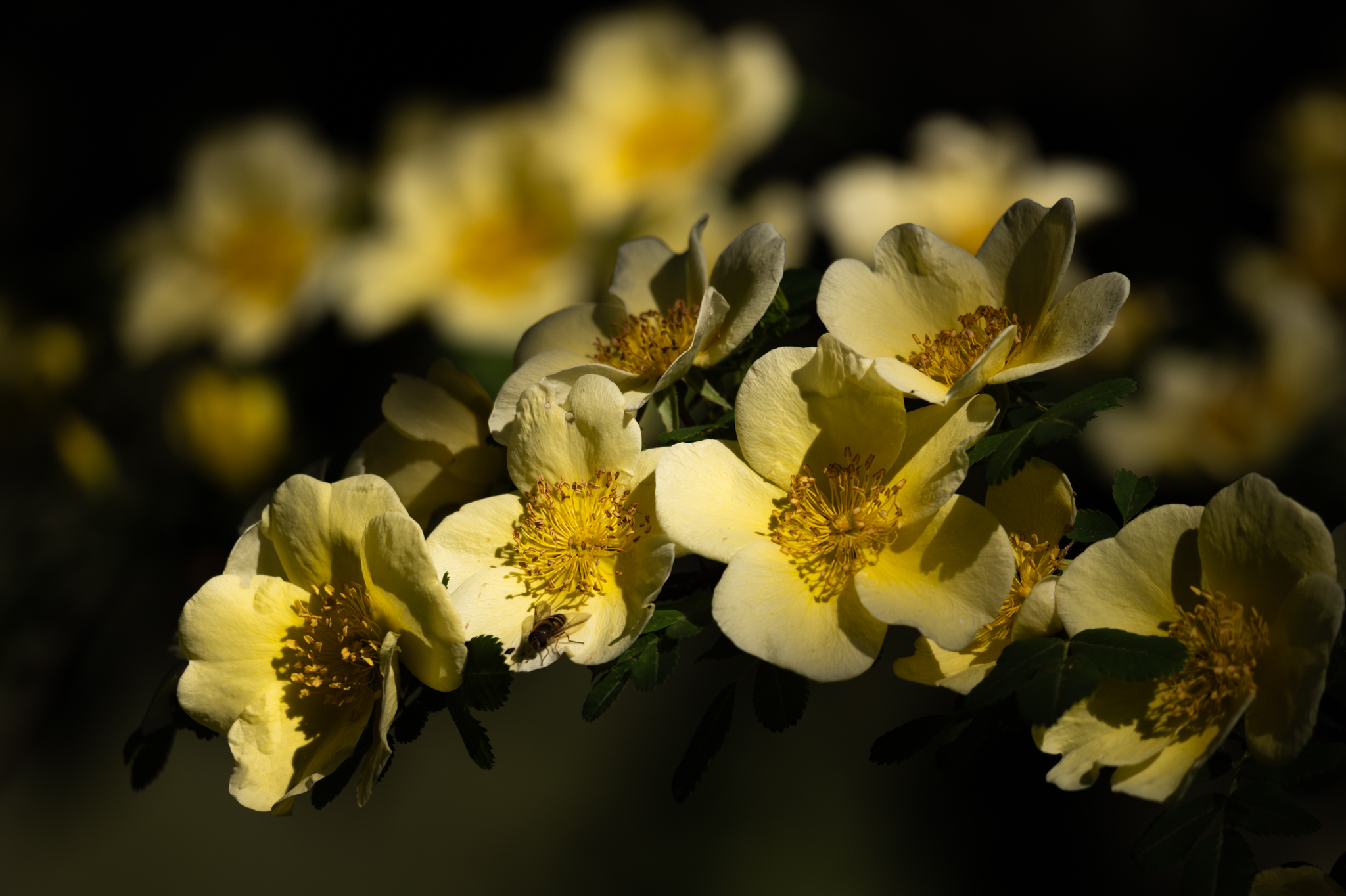
The Cuckoo Bird Rose
Leica Vario-Elmar SL 1:5-6.3 100-400 ISO 100 @400 mm
.
The 8 icons on the quick menu on the rear screen can also be programmed - long pressing an icon brings up a list of options.
All of these options can be saved to named user profiles, including the icons on the rear screen.
I’ve been spending the best part of my life designing user interfaces, and I love this. It’s minimalist, intuitive and incredibly configurable. I have different setups for different situations with different icons on the quick menu and different functions for the function buttons - it just works and the more you use it the better it seems.
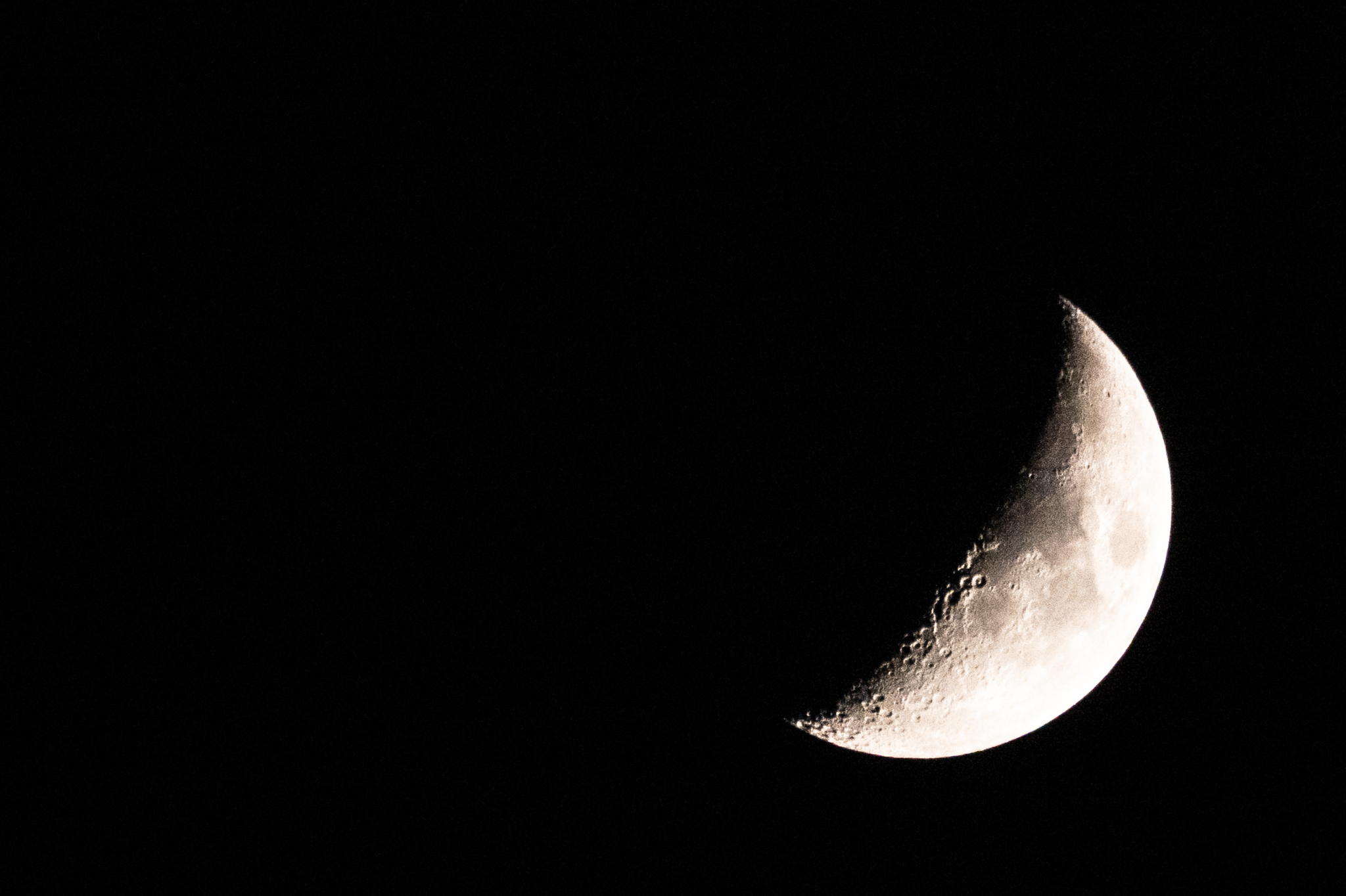
The Moon
Leica Vario-Elma 100-400 ISO 12500 @400mm
Autofocus Performance
Leica have been doing a lot of work on the AF performance for the SL3 cameras. Firmware version 4 introduces different AF detection types and introduces AI training models.
They have also separated out the different functions of the AF in the menus, although this might be a little confusing to start with, it makes it much easier to adjust things as you get familiar with it.
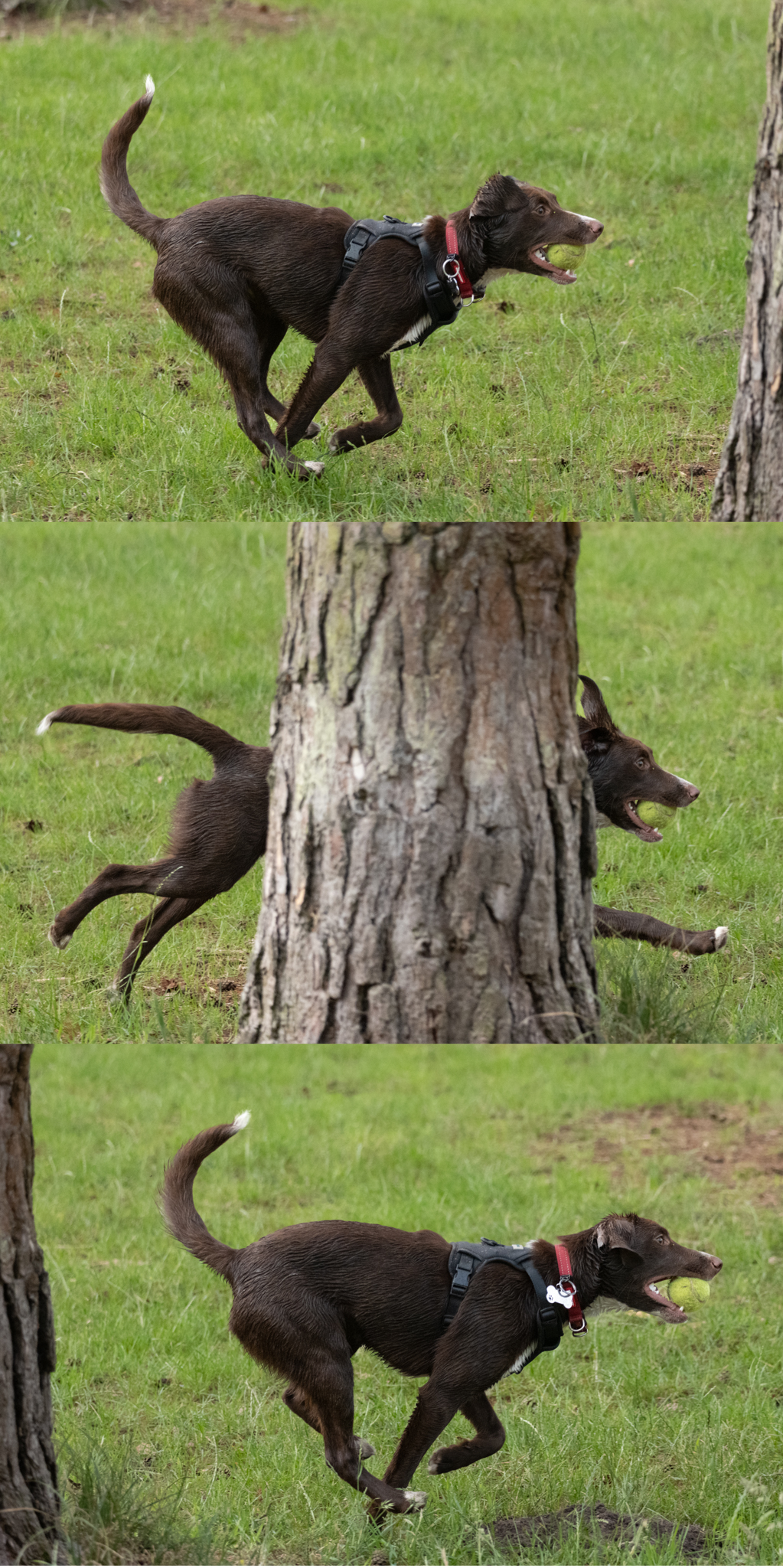
Tracking Right
1/2000 Sec Leica Vario-Elmar SL @f5.6 ISO 10000 @ 140 mm
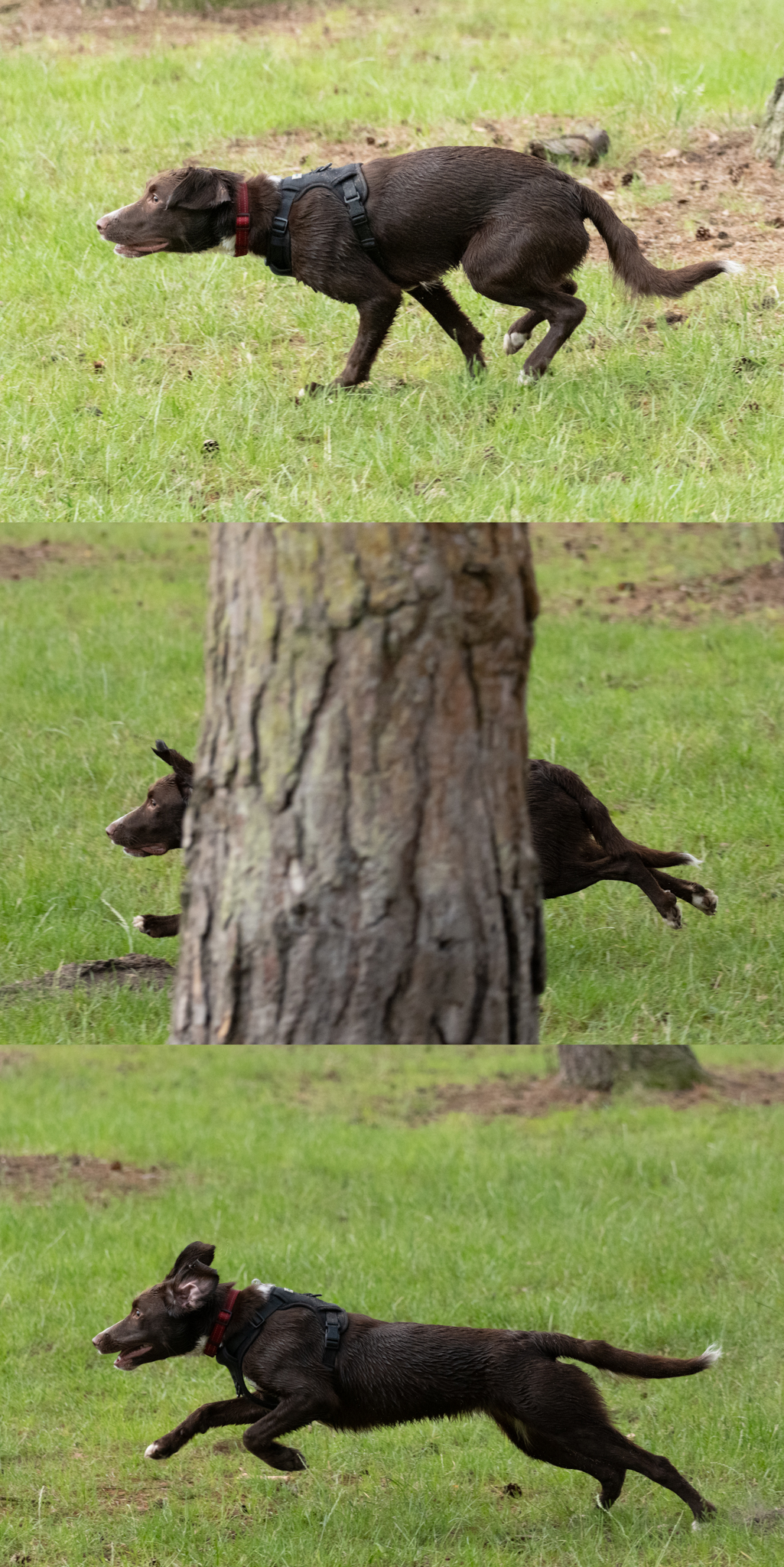
Tracking Left
1/2000 Sec Leica Vario-Elmar SL @f5.6 ISO 5000 @ 140 mm
What is obvious is that the new SL3-P is much better and faster at AF than the SL3-S was when I reviewed it, much faster! What is less obvious is how much of this improvement is to do with the new firmware changes, but whichever way you cut it the autofocus is great.
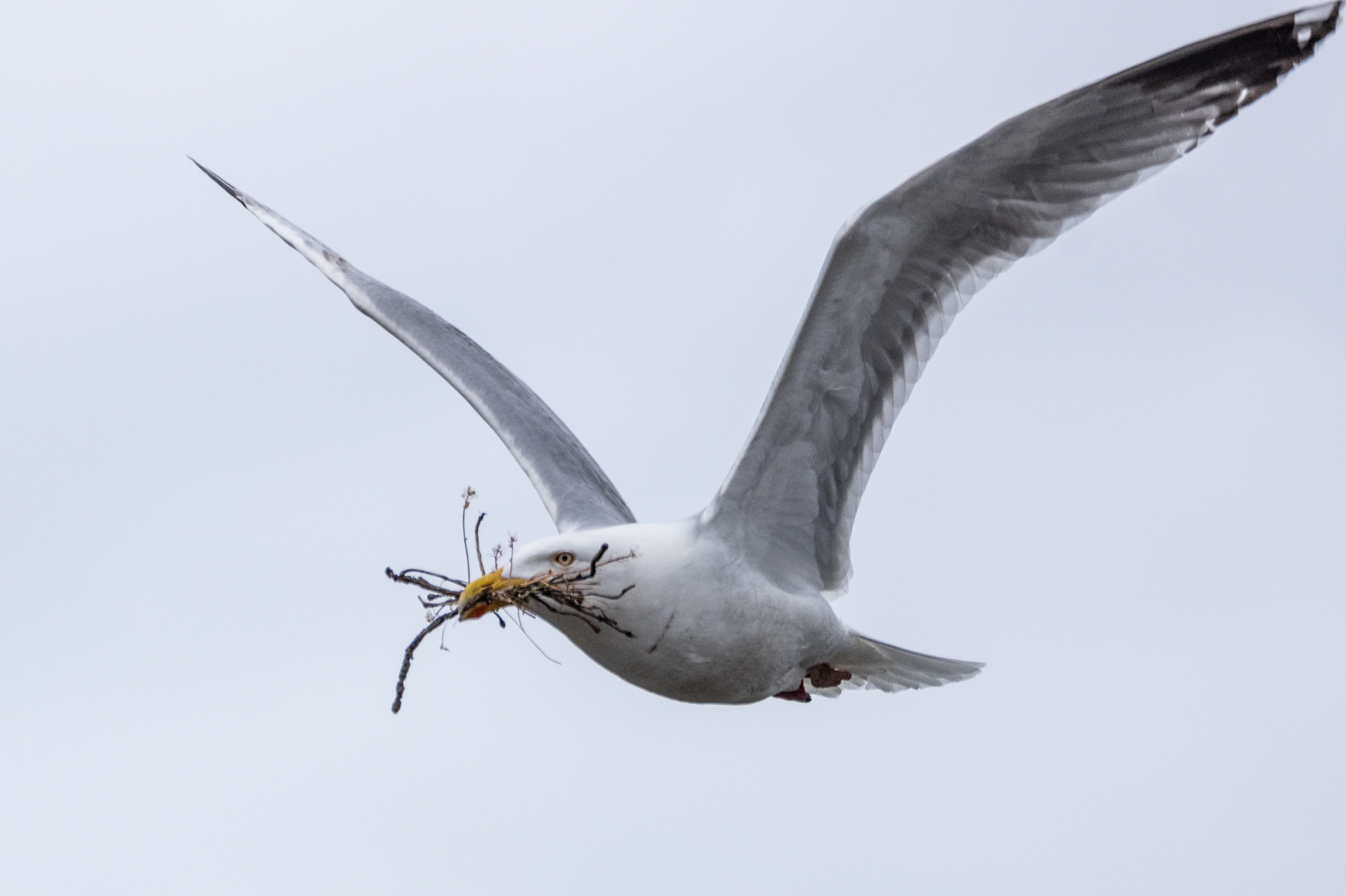
Nesting
Leica Vario-Elma 100-400 ISO 400 @400mm 1/2000 sec
This year I have been using the SL3-P for birds in flight, general nature photography and tracking zig-zagging dogs. Last weekend I shot a wedding ceremony, and I’ve just gone through nearly 1000 images; as far as I can see it has only failed to nail focus on one image. This exclusively with the small and lovely 28-70 f2.8 Vario-Elmarit.
With respect to autofocus the point at which you can get all the shots you need is the point where you can stop wondering about whether other cameras might be better!
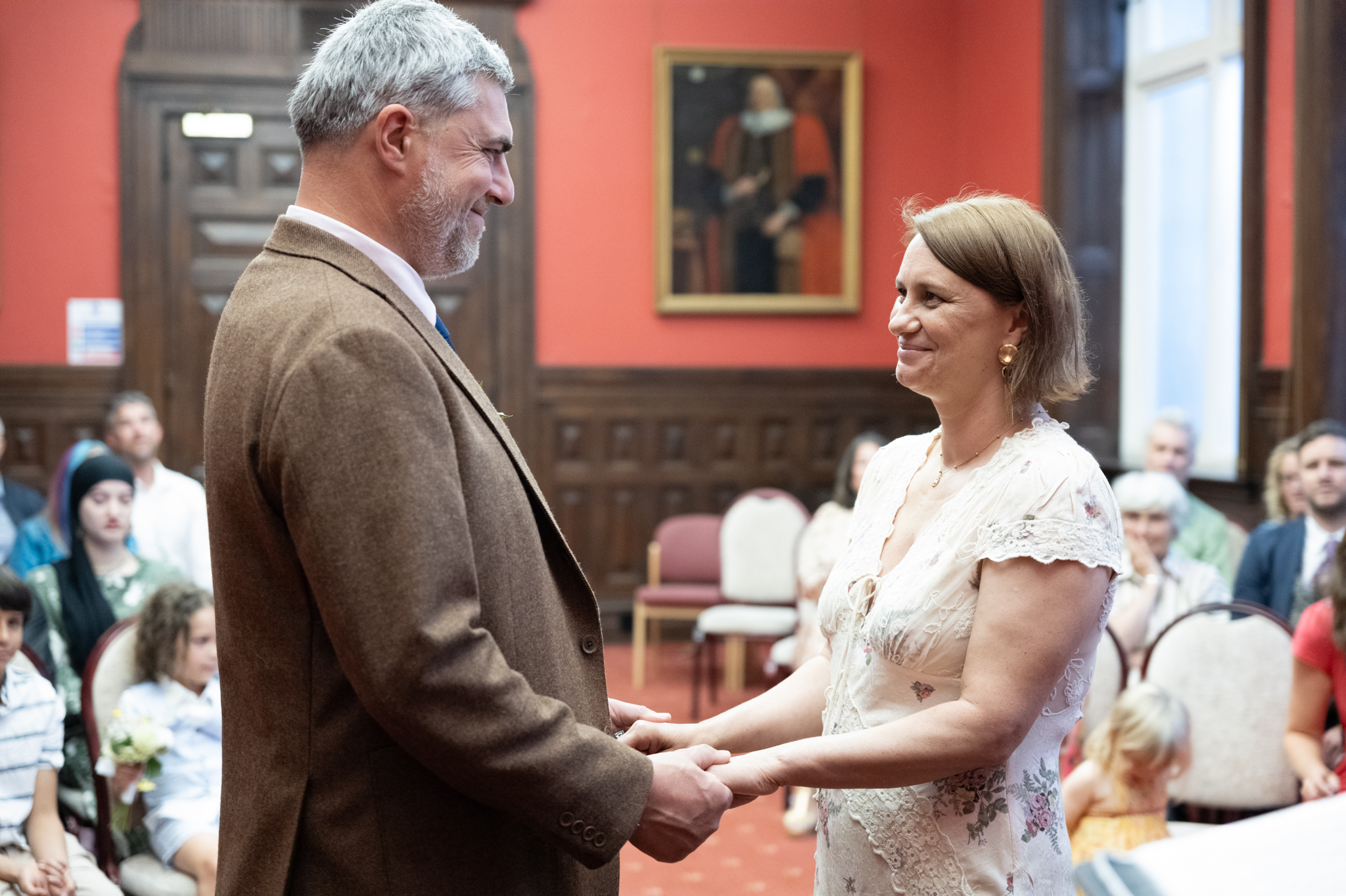
The Big Moment
Leica Vario-Elmarit 28-70 ISO 6400 @54mm 1/100 sec @f2.8
Readout and Rolling Shutter
Despite almost doubling the resolution the sensor readout speed of the SL3-P is about 20% faster than that of the SL3-S which in turn is twice the speed of the SL3. This represents a considerable improvement and, as well as allowing a faster shot to shot time (40 frames a second with AF in 12 bit mode) it also significantly reduces rolling shutter.
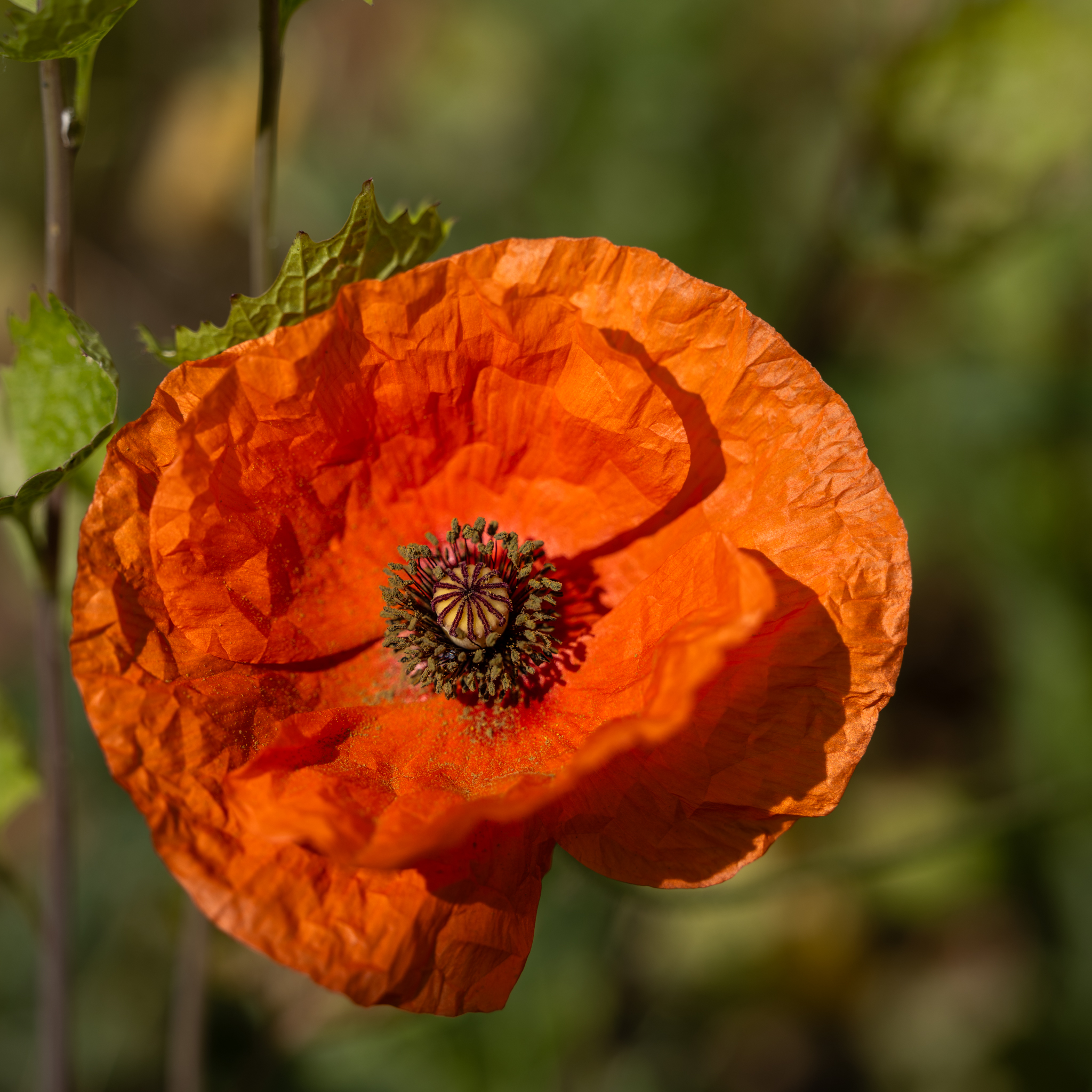
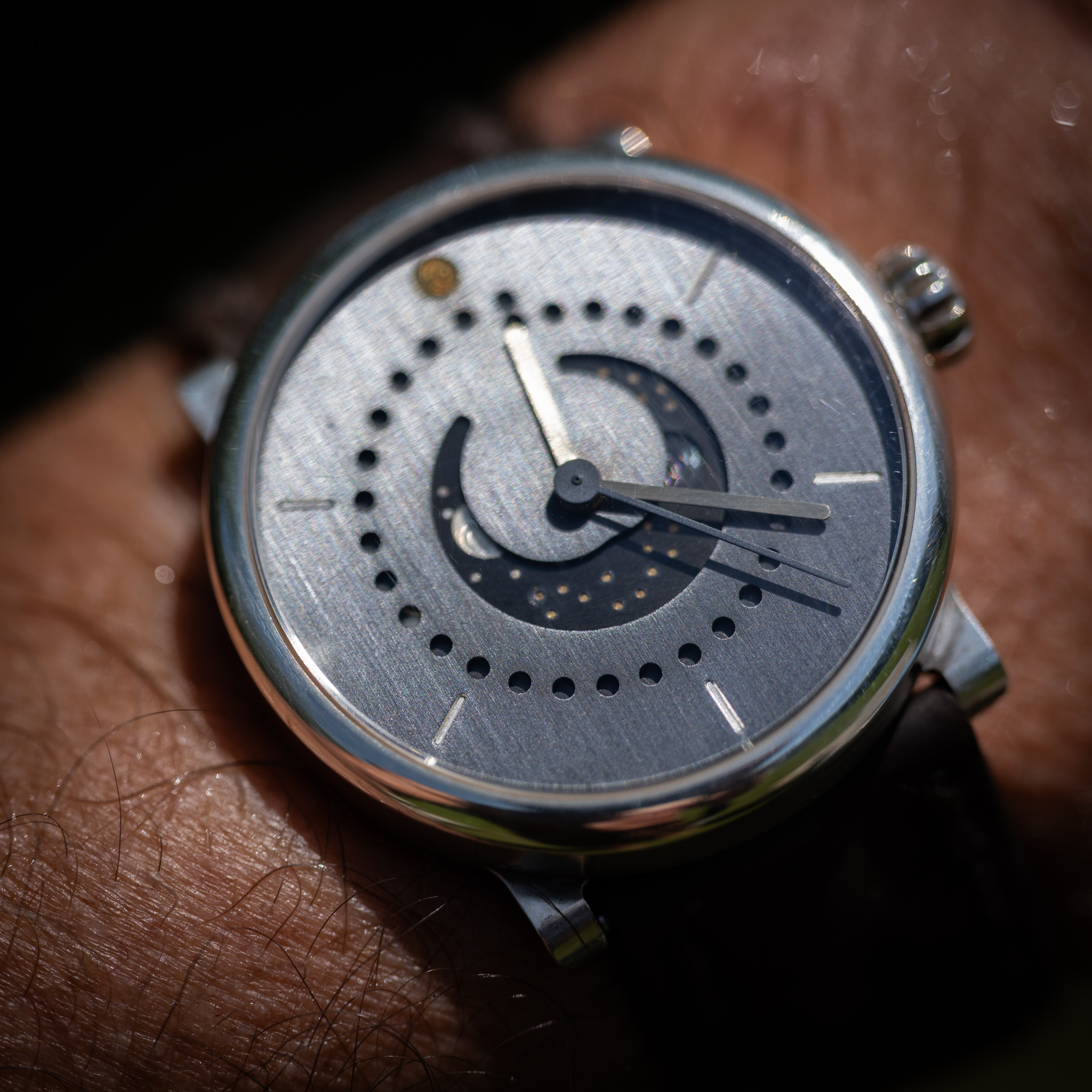
Poppy Time
Leica Vario-Elmarit SL 24-90 @f4 ISO 100 @ 83 mm
Moon Time (Ochs und Junior)
Lumix 100/f2.8 macro @f2.8 ISO
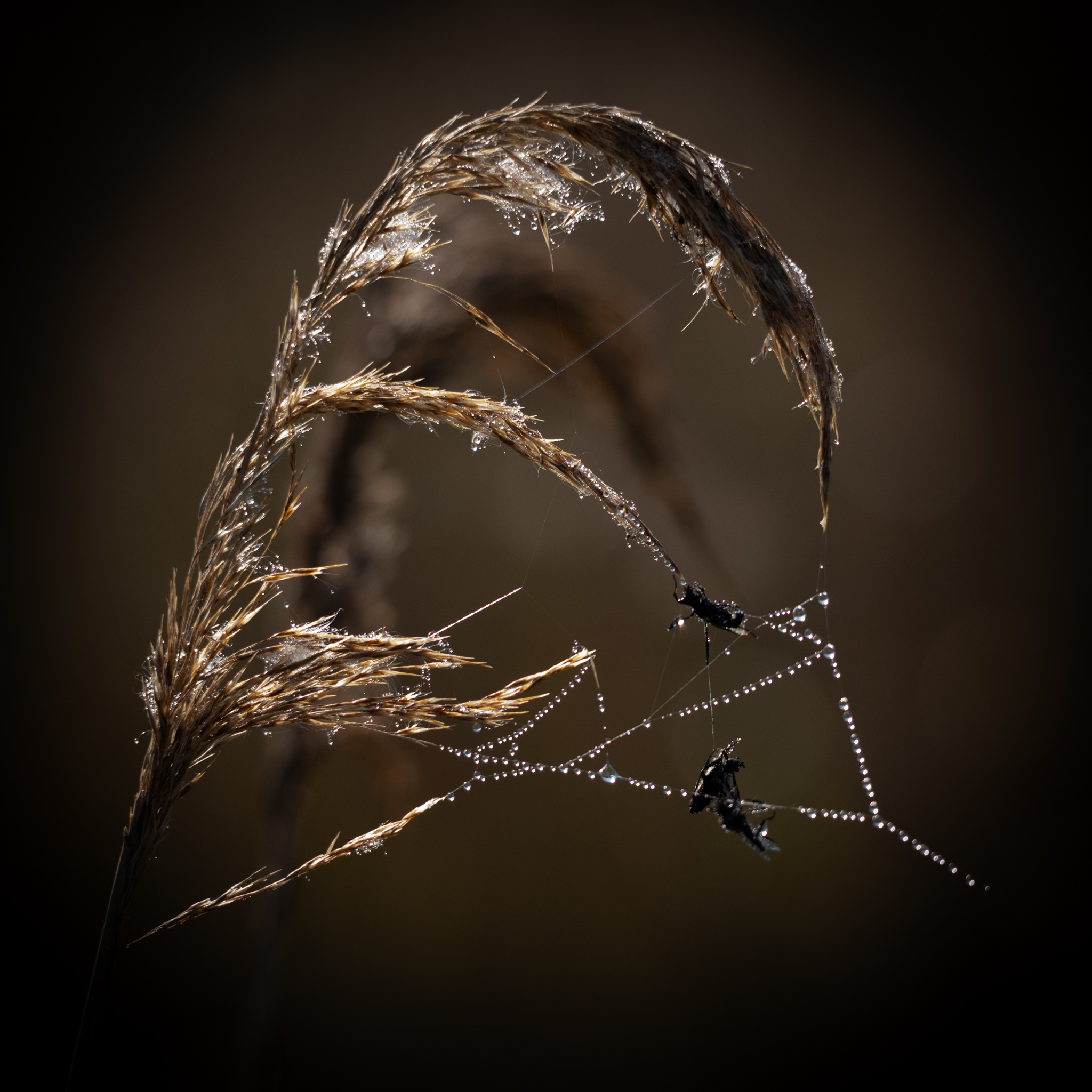
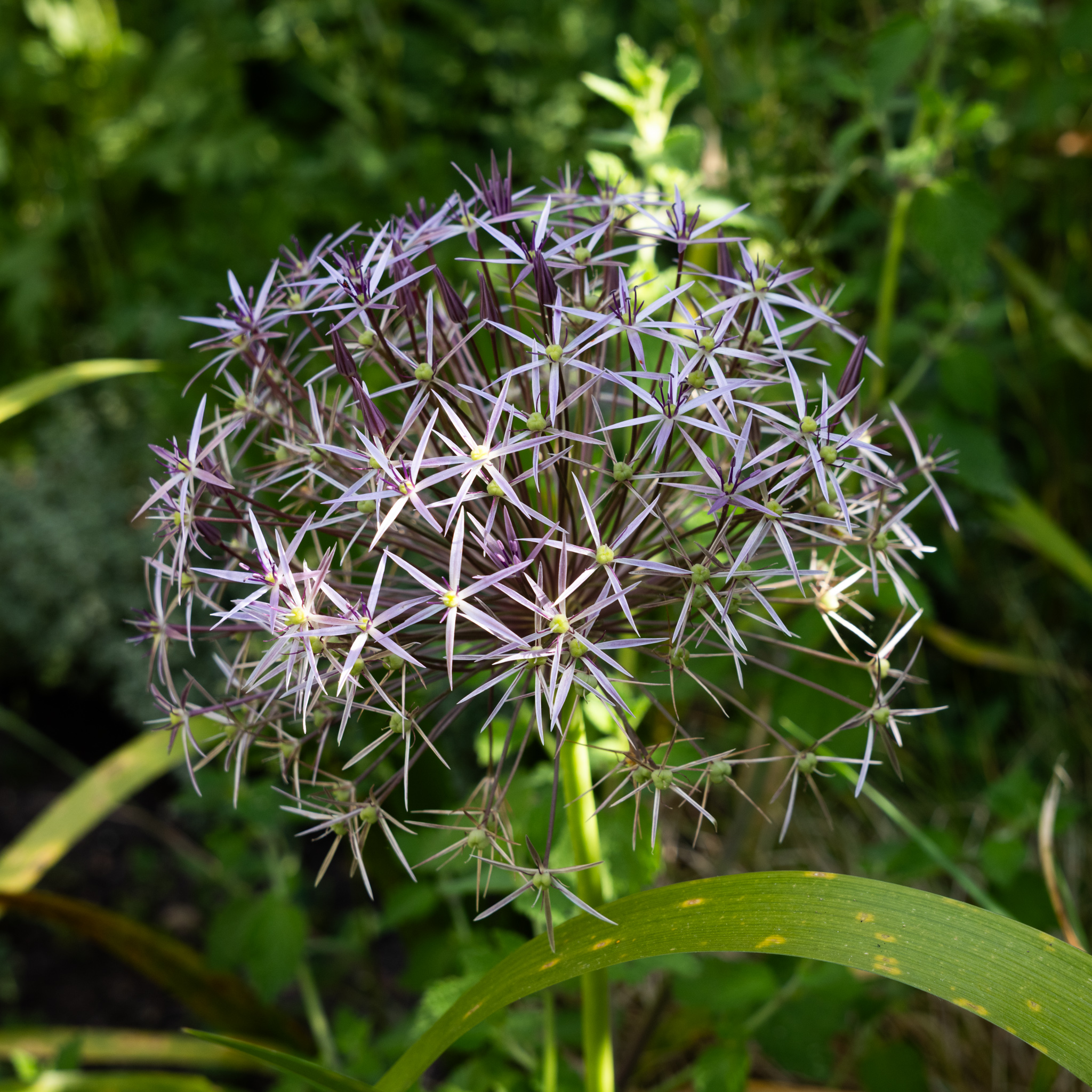
Spider Time
Leica Vario-Elmar SL 100-400 @f5.8 ISO 1250 @ 176 mm
Allium Time
Leica Vario-Elmarit SL 28-70 @f8 ISO 400 @ 70 mm
Certainly, in my time with the camera I haven’t noticed any instances of rolling shutter, although I’m sure it could be found - I don’t have any drummers at hand to test for bent drum sticks . . . . except!
On Saturday I shot the ceremony of a wedding exclusively using the electronic shutter without any issues. . . and then I found three drummers! I used the electronic shutter again and still failed to see any bent drumsticks!
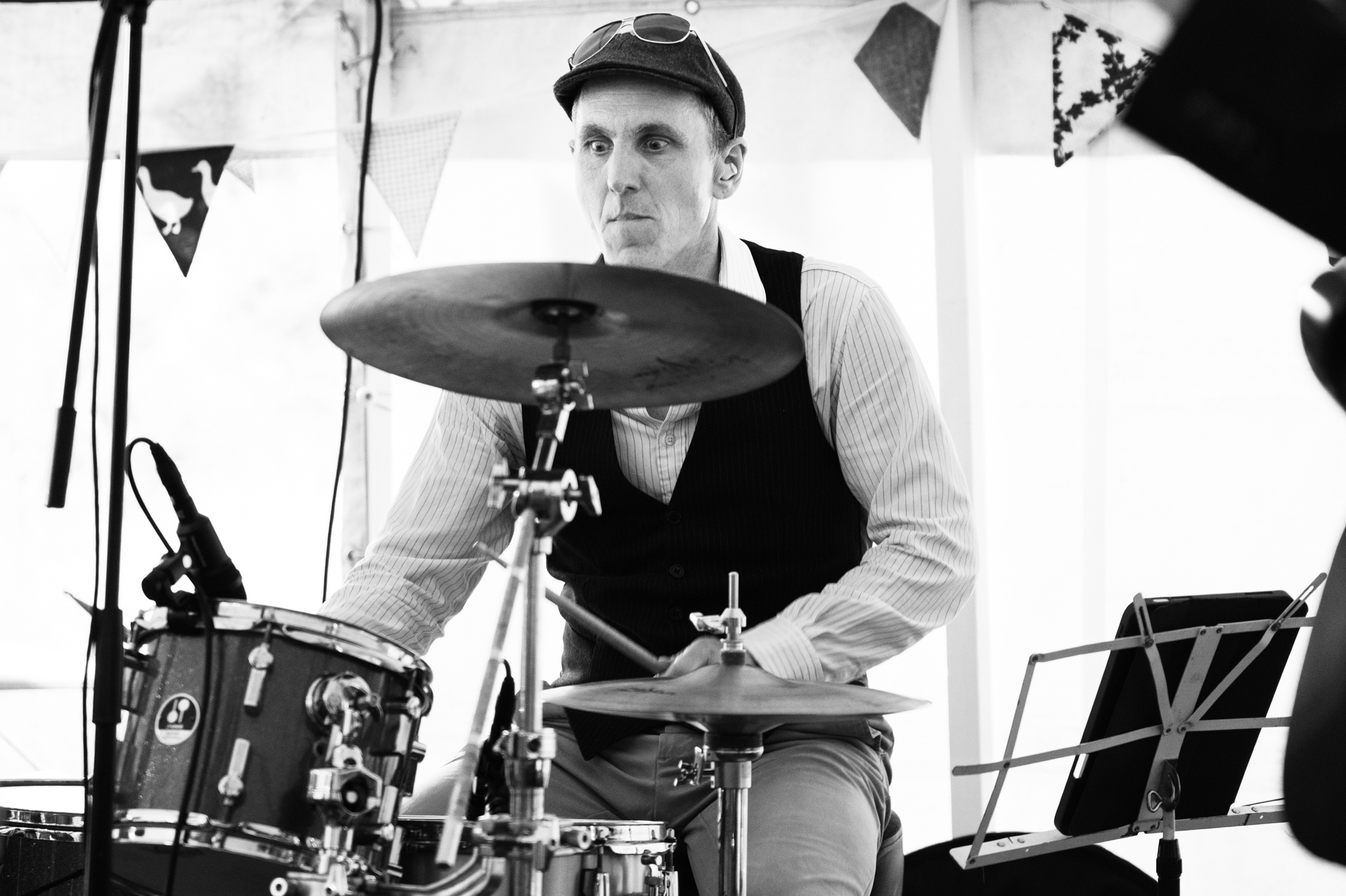
Astonishment at the Straight Drumstick
Leica Vario-Elmarit 28-70 ISO 2500 @70mm 1/125 sec @f2.8
Computational Photography
Computational options are becoming more and more significant in modern cameras (even more so in modern phones).
Leica are very aware of this, and the SL3-P already has an excellent 171mp Multi-Shot mode, producing incredibly detailed images (even hand held, but more so with a tripod). With firmware version 4 this has developed even further so that if you use a tripod the camera can remove moving objects.
Leica Looks can be added to your camera from the Leica FOTOS app - these allow you to customise the look of your images, hopefully at a later date these will also be available in Adobe Lightroom so that they can be applied to DNG files as well.
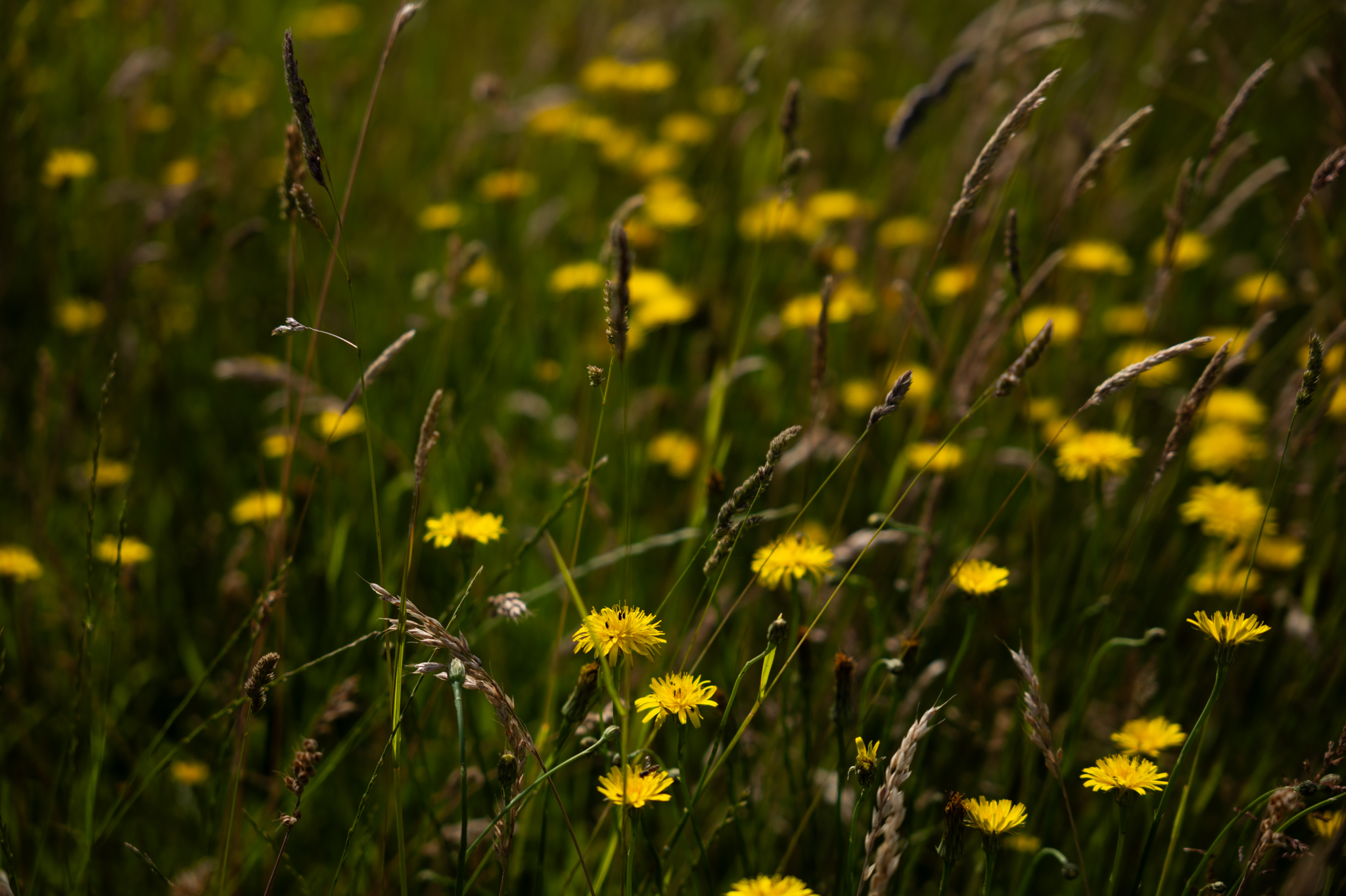
Soon it will be hay
Leica Vario-Elmarit SL 28-70 @f2.8 ISO 100 @ 69 mm
Watch out for the Mosquitos
Vario Elmar 100-400 @f5.6 ISO 160
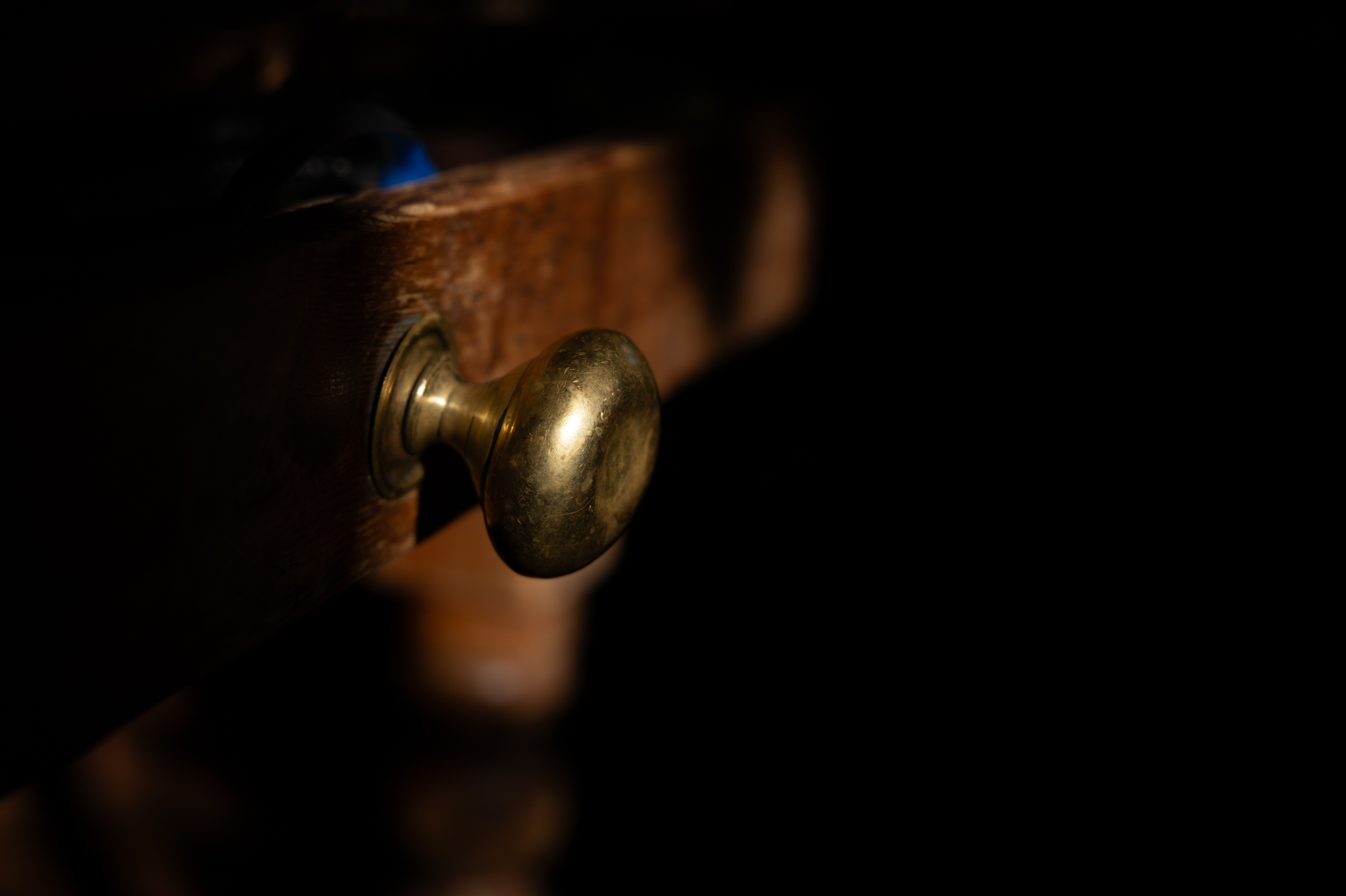
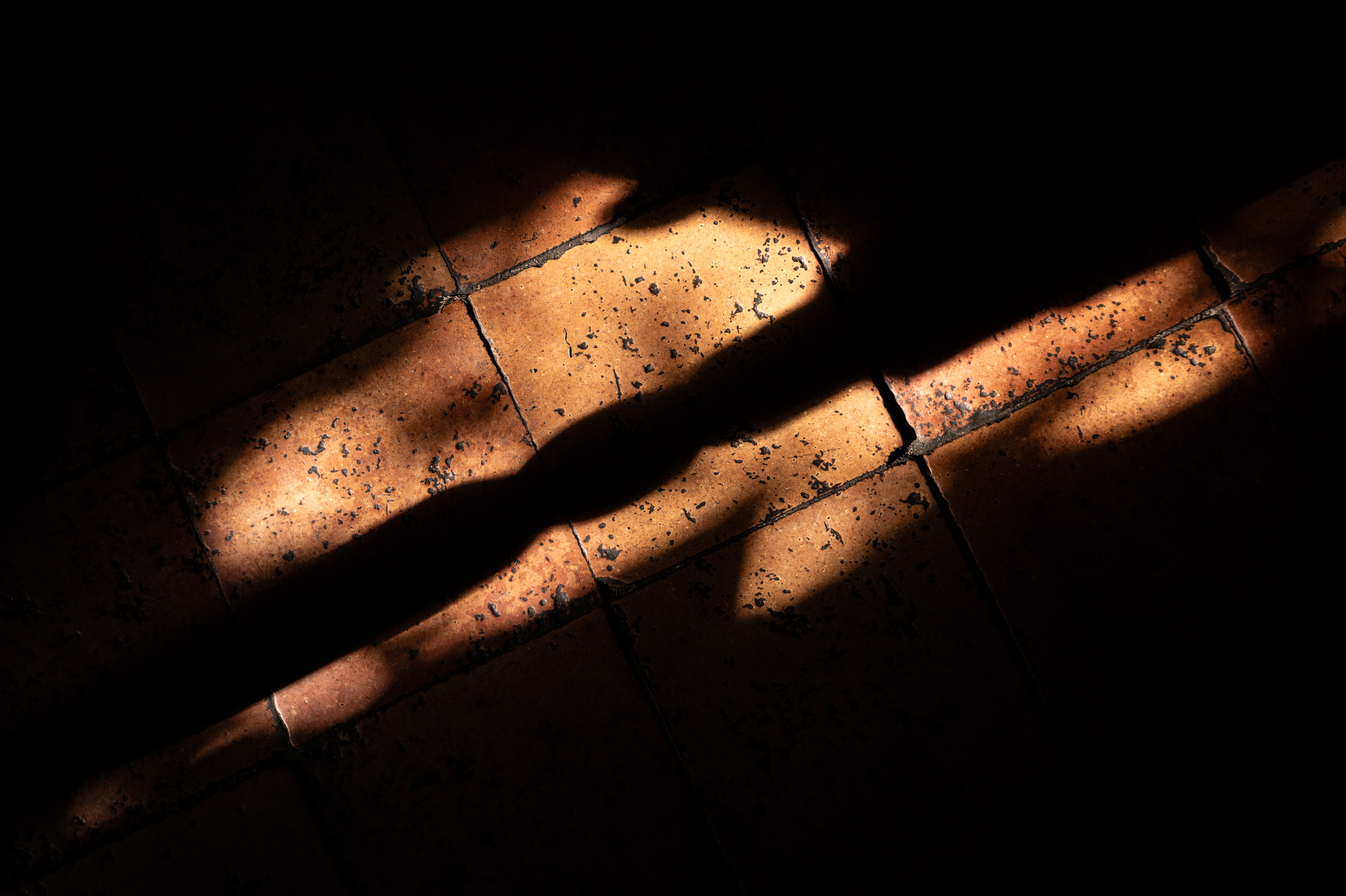
The Old Knob
Leica Vario-Elmarit SL 28-70 @f2.8 ISO 100 @ 44 mm
Sunny Kitchen
Leica Vario-Elmarit SL 28-70 @f2.8 ISO 100 @ 41 mm
From the point of view of a nature photographer there are a couple of features which I have discussed with Leica, and which I think would be incredibly useful.
First of all Pre-Capture, where the camera continuously takes images and stores them in the buffer when you half press the shutter. When the buffer is full the oldest images are discarded and new ones are taken. When you fully press the shutter the images from the buffer are stored - this means you have images from a second or so before you pressed the shutter. Of course this would be great for shooting wildlife, waiting for a squirrel to jump or a bird to take off.
Secondly focus bracketing: If you are using a tripod for macro shots you can do this yourself, but much easier if the camera does it for you! Images can then very easily be combined in your photo editing software. This is great for shooting bugs, flowers and other close up subjects where you need a fast aperture to keep the noise down but where you want as much depth of field for your subject as possible.
I’m hoping that Leica has been listening and that these options might be available in the not too distant future.
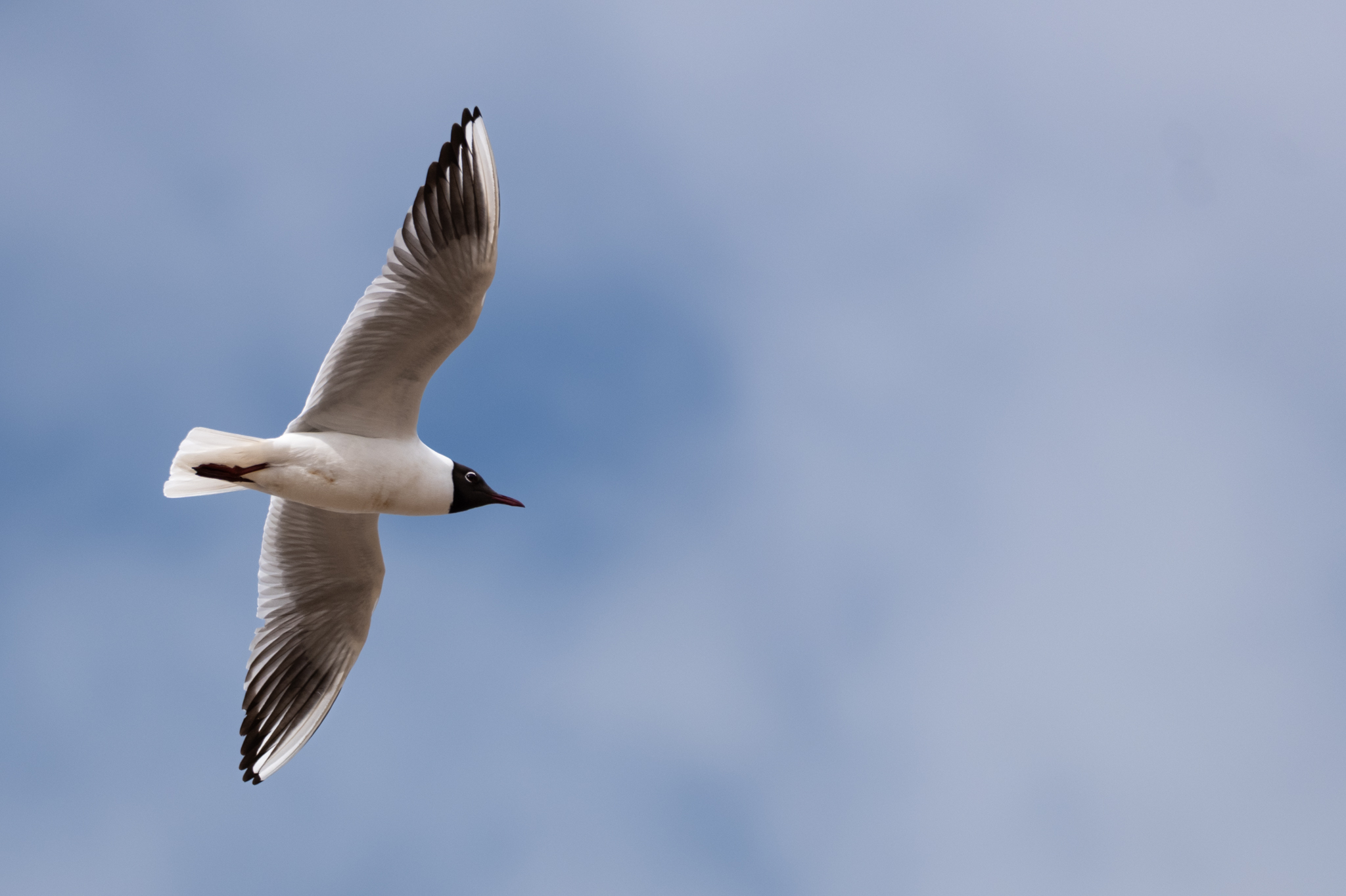
Black Headed Gull
Leica Vario-Elmar 100-400 ISO 500 @302mm 1/2500 sec @f6.3
Leica Fotos and Leica Looks
Leica FOTOS has developed from humble beginnings in 2018 when it was officially released alongside the M10-D. The SL3-P has excellent bluetooth and WiFi hardware and remote connection is fast and effective.
I have to admit to having started as a sceptic about FOTOS, but today I use it all the time. I use it on the phone for getting images quickly on to social media, and more importantly on an iPad for culling and triaging images before sharing them directly with Lightroom.
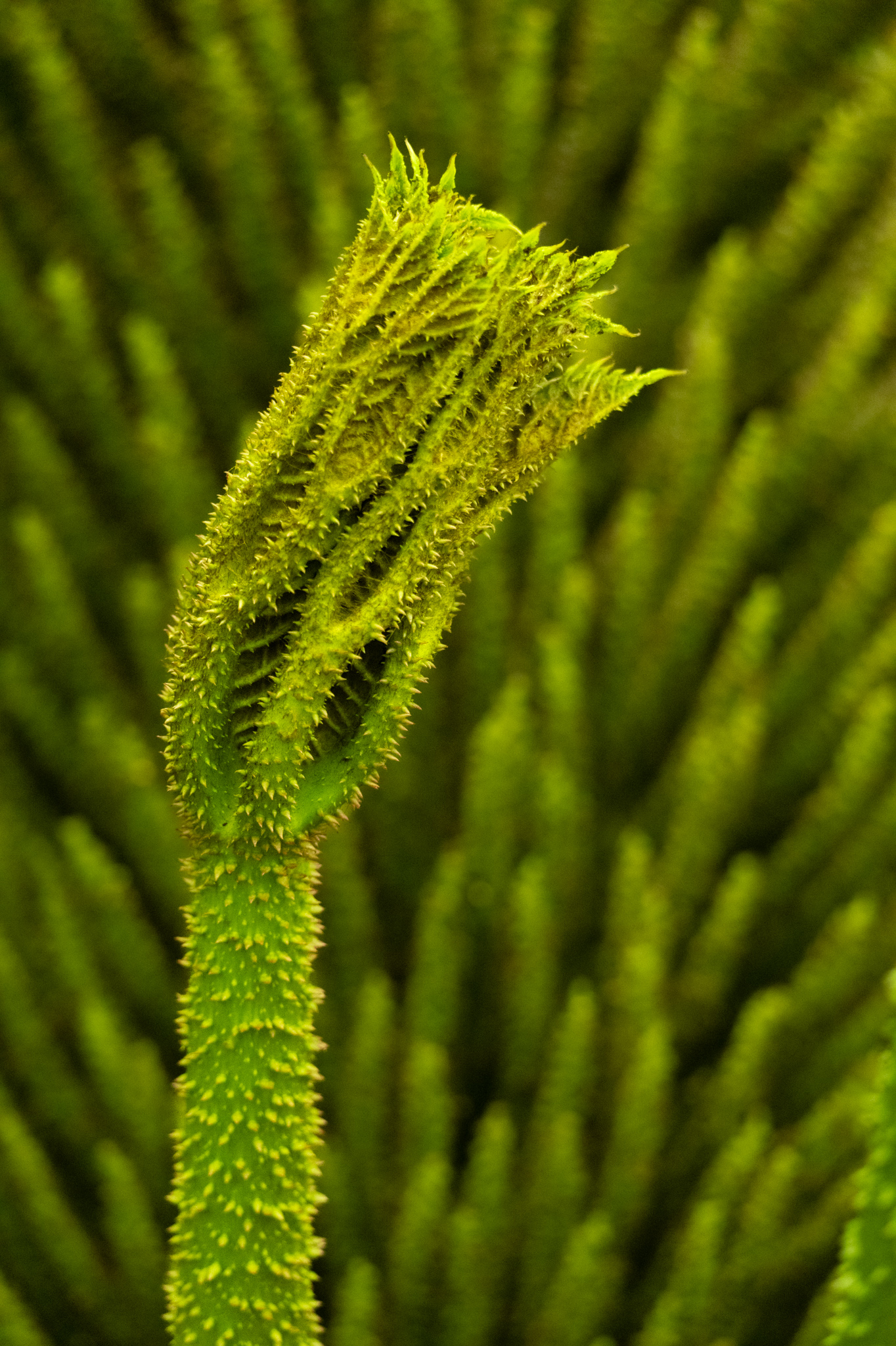
Gunnera
Leica Vario-Elmar 100-400 SL @f6 ISO 12500 @ 237 mm
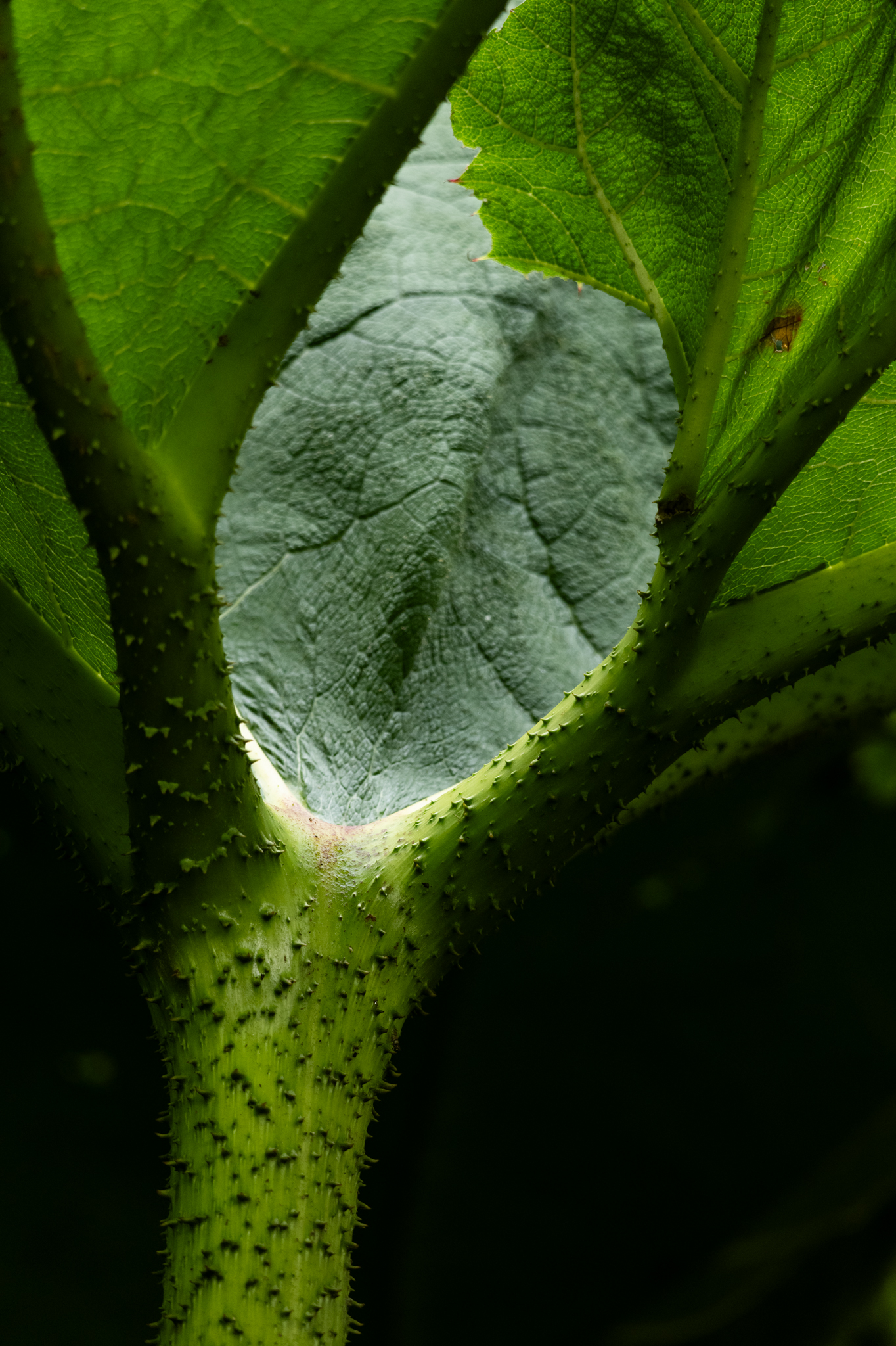
Gunnera
Leica Vario-Elmar 100-400 SL @f6 ISO 2500 @ 217 mm
Last weekend was a 3 day wedding shoot, and for the first time I used the iPad exclusively for selection of images and sharing directly with Lightroom. Each evening after finishing shooting I sat in our van with a glass of wine transferring the images to Adobe Cloud via the FOTOS app. The internet connection wasn’t that great, so the upload didn’t finish until I got home, but that didn’t slow me down and of course the images were safely stored on different devices after copying to the iPad.

The Boys are Back In Town
Leica Vario-Elmarit 28-70 ISO 12500 @52mm 1/100 sec @f2.8
Geotagging is now pretty flawless via FOTOS on your phone, and you can control the camera remotely and update settings. I’m hoping that in the future FOTOS will also be able to manage User Profiles and transfer them between cameras.
Currently there are twelve Leica Looks profiles which can be downloaded from FOTOS to SL3 and Q3 cameras:
Silver
Bleach
Greg Williams
Teal
Brass
Chrome
Eternal
Contemporary
Classic
Blue
Selenium
Sepia.
Each one is described well in the FOTOS app with sample images. Currently they only apply to JPG files - if you shoot JPG+RAW then importing both will show the Look only on the JPG. Hopefully at a later date they may be able to be applied to DNG files (perhaps only in post processing software).
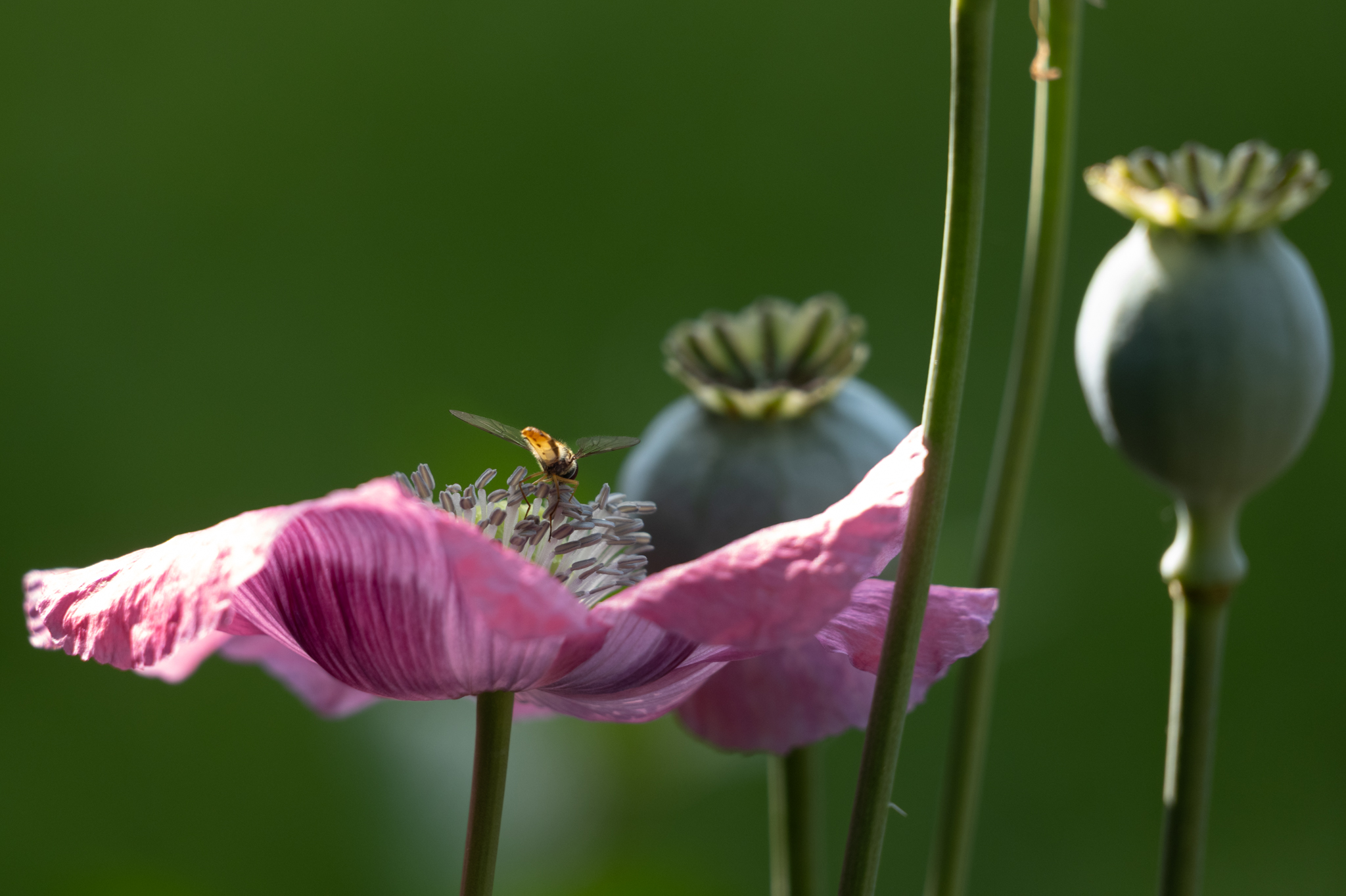
Bottoms Up
Leica Vario-Elmar 100-400 SL @f6.3 ISO 800 @ 400 mm
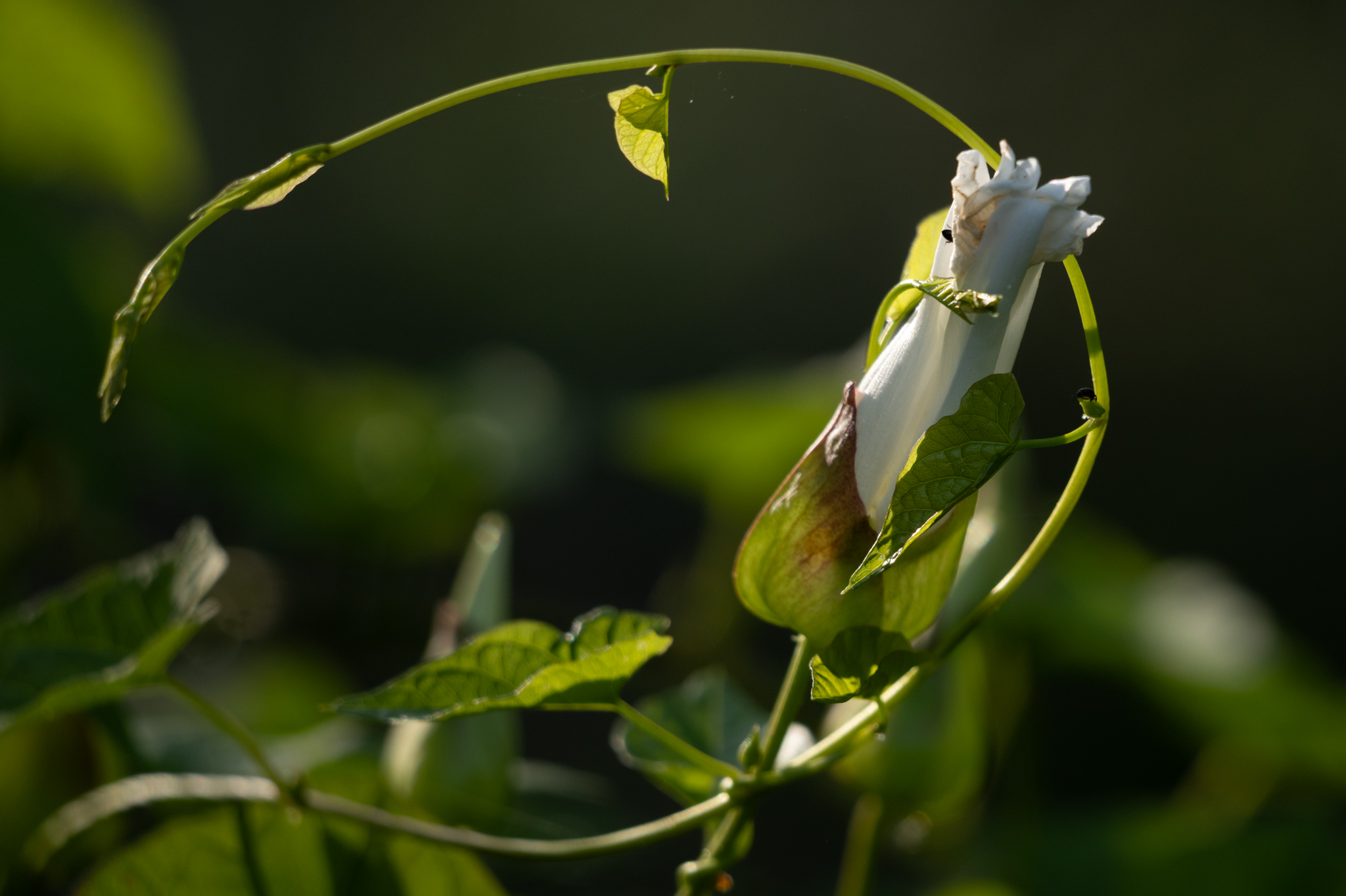
Curlicue
Leica Vario-Elmar 100-400 SL @f6.3 ISO 320 @ 364 mm
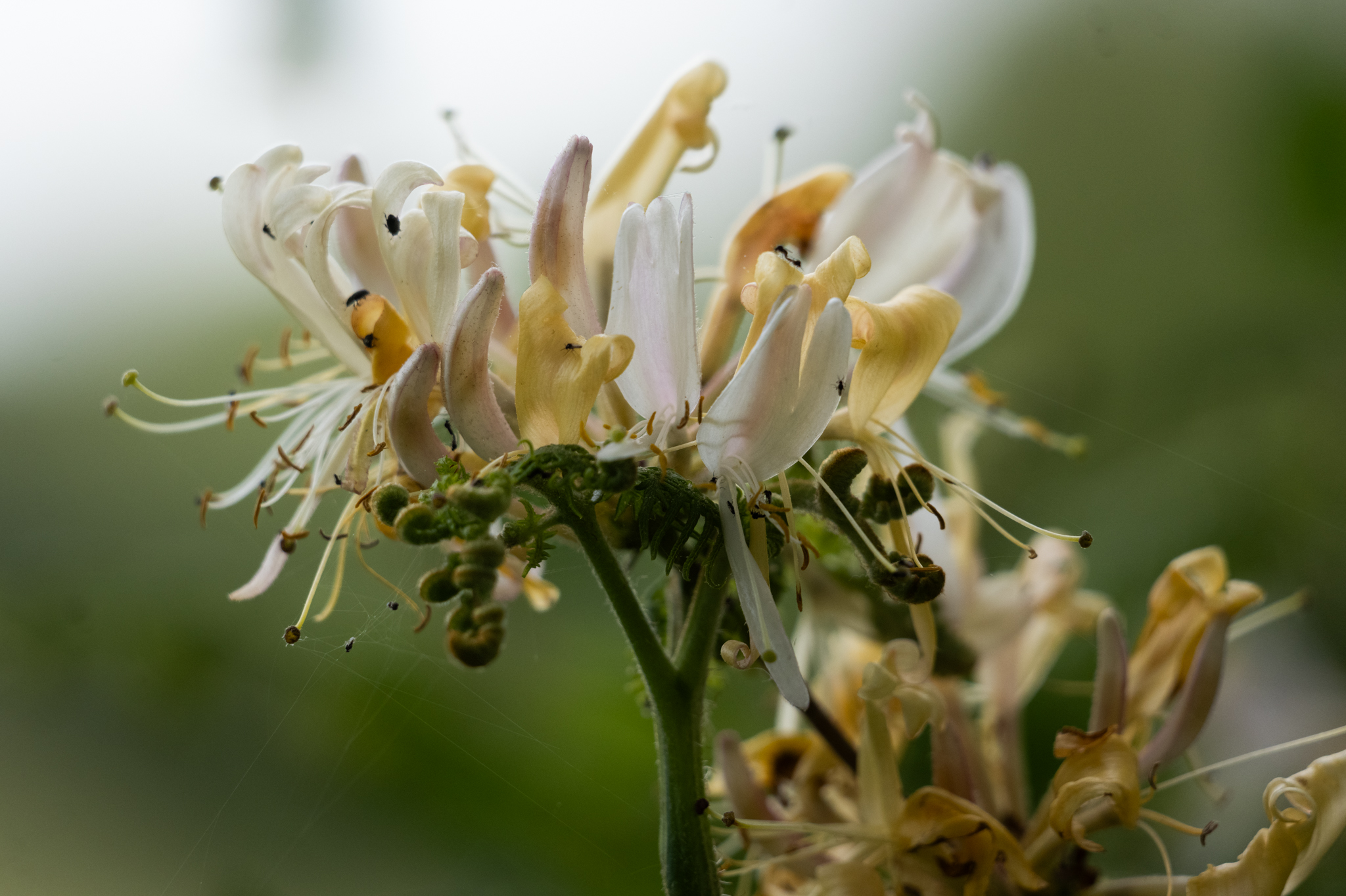
Honeysuckle Morning
Leica Vario-Elmar 100-400 SL @f6.3 ISO 1600 @ 364 mm
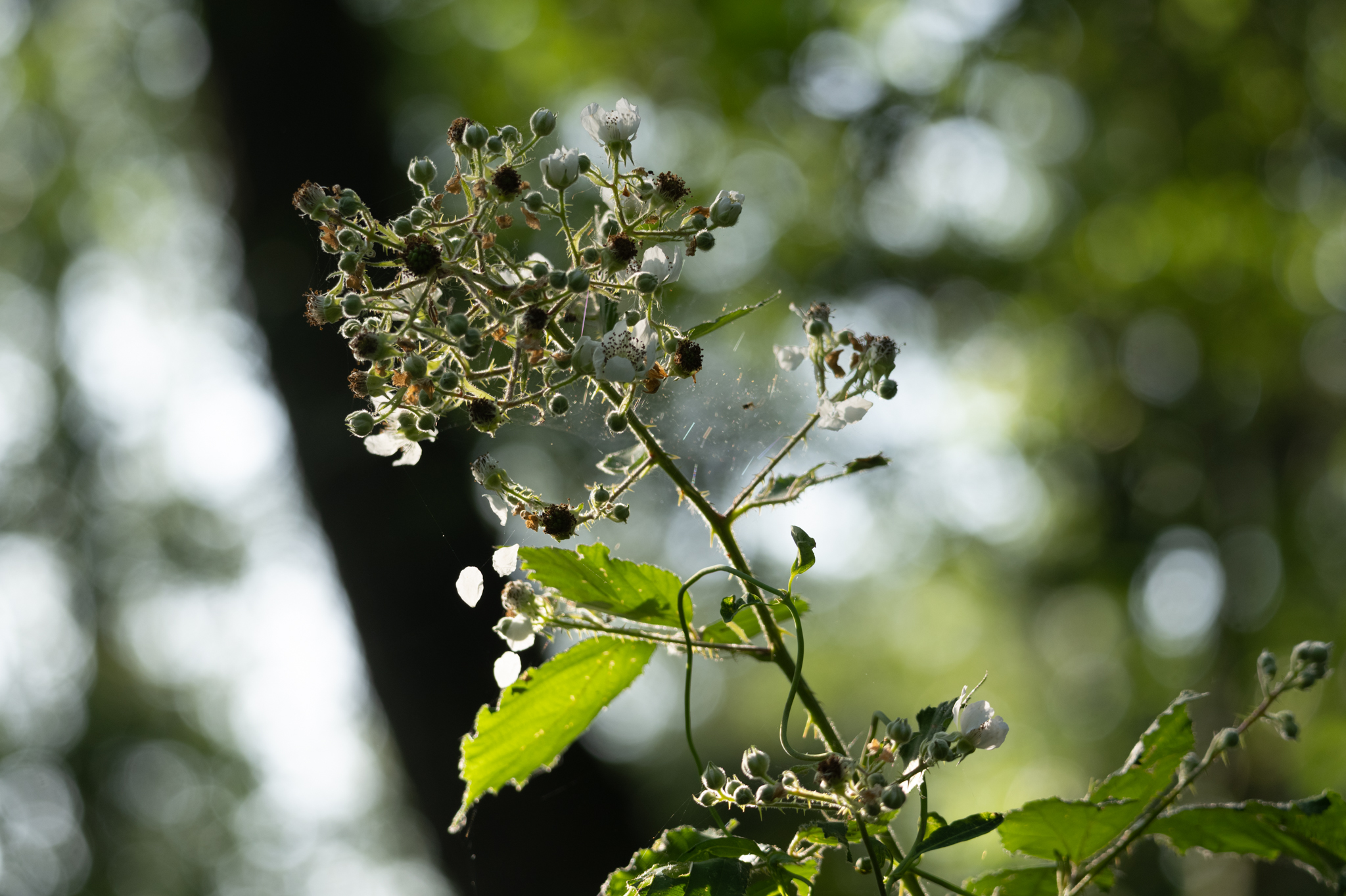
A good season for Blackberries
Leica Vario-Elmar 100-400 SL @f5.7 ISO 500 @ 167 mm
Video
I am not a video shooter, But the SL3-P is clearly an extremely capable video performer. In my review of the SL3-S, I included a piece by Ralf Ilgenfritz who had used the camera for a real time interview with Isabel Allende, he also had extensive Sony kit but preferred the operation and results from the SL3-S. You can read about it
here .
The SL3-P can only be an all-round improvement, with a faster sensor with more resolution. The camera can shoot 8.1K Open gate up to 30fps for real high resolution work using the whole of the sensor. You can shoot 5.9K at 60fps and 4K at 120fps for detailed slow motion work. The Apple ProRes codec has been integrated and the camera comes with two new in-camera LUTs.
Changing from Photo to Video is a simple swipe on the rear screen at which point the menus change from red to yellow to avoid any confusion. There are so many possible changes in configuration for video, not all are compatible with each other! Leica have developed a novel way of dealing with this: You can change any option you want, after which only possible other options are available. You can lock your selection at any time.
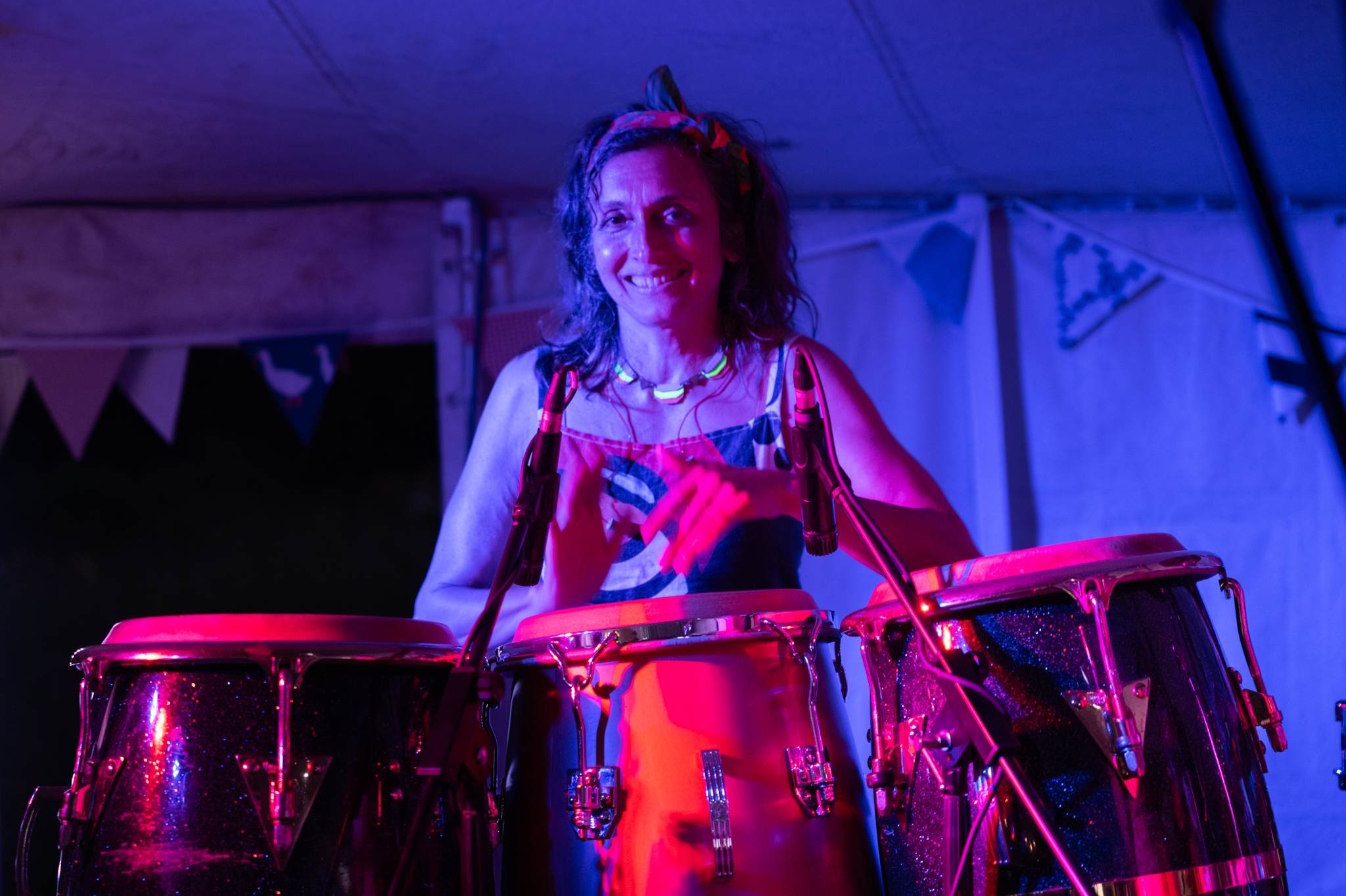
The Conga smile
Leica Vario-Elmarit 28-70 SL ISO 2500 @70 mm
Content Credentials
The Content Authenticity Initiative (CAI) is an association founded on November 2019 by Adobe, the New York Times, Twitter and others with the intention of curbing disinformation. The idea is to promote an industry standard for provenance metadata for files defined by the C2PA.
The C2Pa is the Coalition for Content Provenance and Authenticity, co-founded by Adobe with Arm, the BBC, Intel and Microsoft and many more, as you can see that big guns are involved in this!
Whilst the C2PA is tasked with the formulation of an open, royalty-free technical standard for metadata, the CAI sees its task in the dissemination and promotion of the standard.
The idea is to add an additional set of metadata to a file containing information about its provenance, and edits which may have been made using compliant software. This could apply to a photo, a video or a text file.
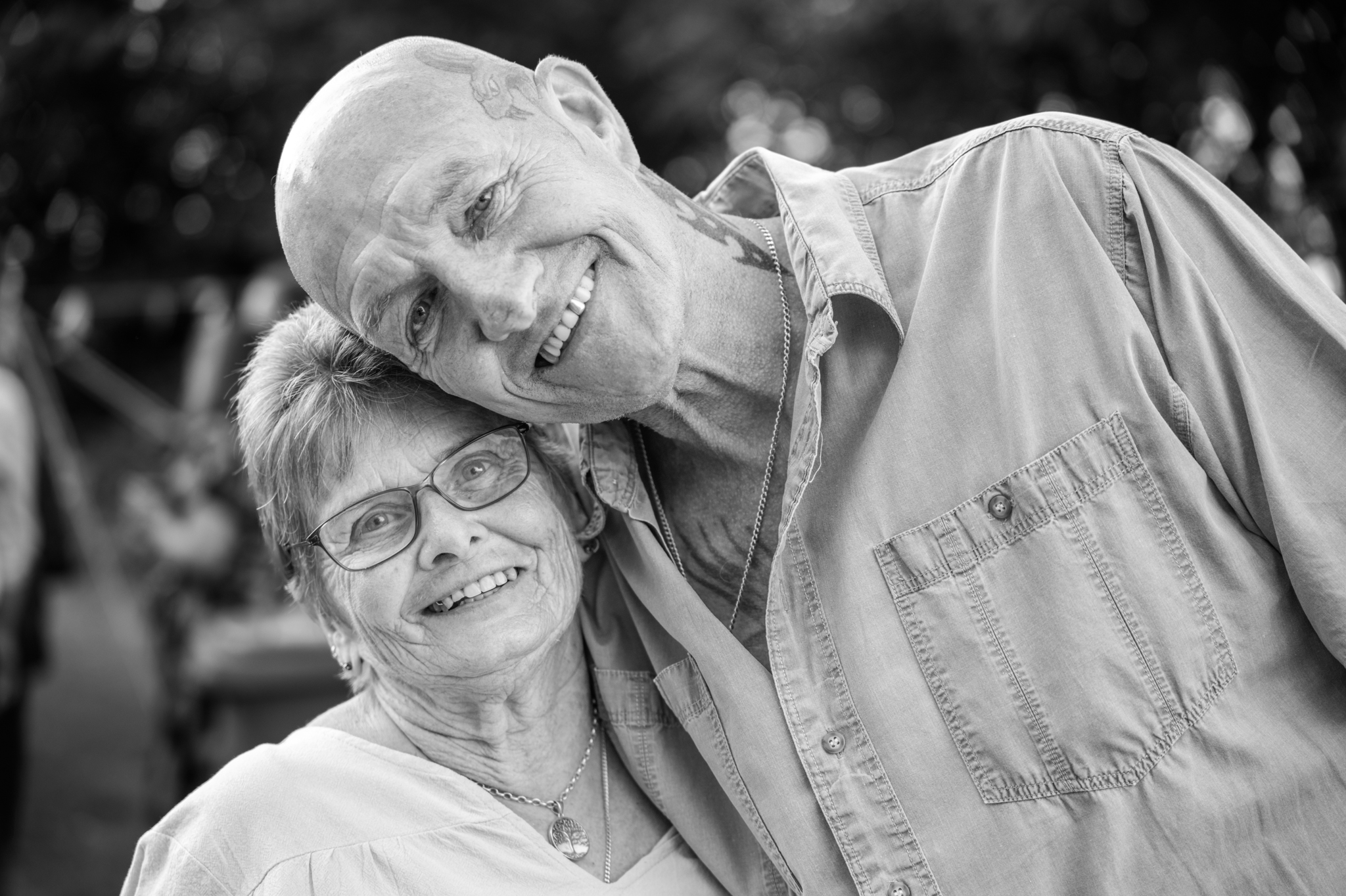
The Snake has it
Leica Vario-Elmarit 28-70 SL ISO 1000 @70 mm
The base information (added to the metadata by the M11P) shows:The PhotographerThe DeviceThe location and time of the recordingIf you edit the file in Lightroom CC or Photoshop 24 (or another compliant program) then the provenance of any edits are also recorded.
Leica are the first camera company to implement this in a camera; sadly the first step is a hardware chip, so it won't be possible to make this backwardly compatible for previous Leica cameras.
The M11-P was the first camera to have this and I dealt with it in more detail in the article
here:
There was no time to implement it with the SL3, but Leica have implemented it with the SL3-S and now the SL3-P.

The Girl has it
Leica Vario-Elmarit 28-70 SL ISO 100 @70 mm
Nature Camera?
Three months ago Leica loaned me the 100-400 Vario Elmar (I already own the wonderful 90-280). This set me off on the path of trying to use the SL3-P for my nature work instead of the OM1ii.
Back in the deep and distant past one of my favourite lenses was the Nikkor 100-400 VR. I used it extensively on the Nikon F100 just before turning to digital. It’s a really good focal length range. Leica had loaned me one just before the launch, but it was December, not the best time to be trying out medium telephotos, and I didn’t have it for very long, and only on the SL3, where the 90-280 definitely reigns supreme.
Of course the 100-400 has a smaller aperture and is a great deal lighter than the 90-280. I thought this was a good opportunity to really put it through it’s paces. .
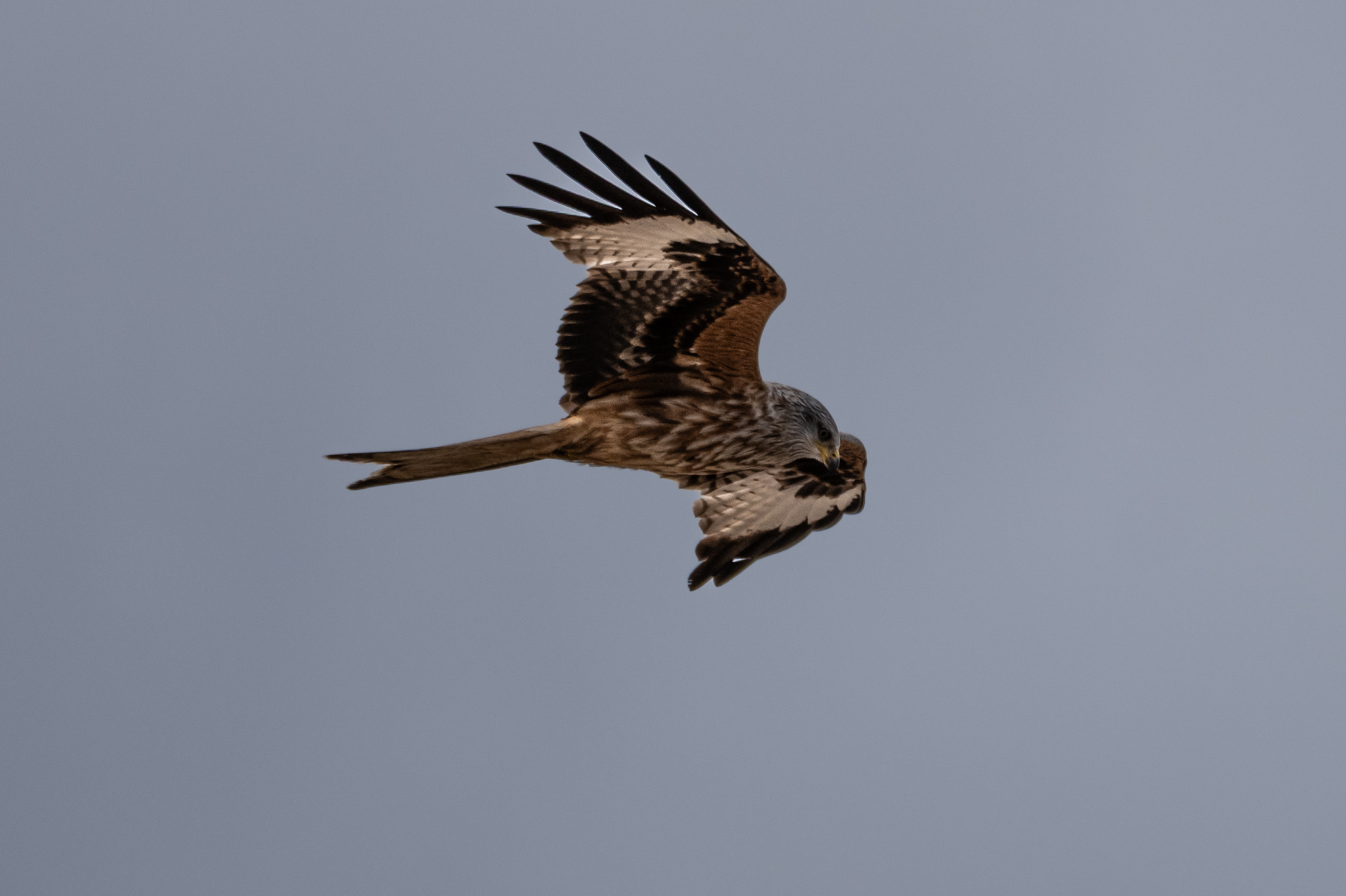
Red Kite
Leica Vario-Elmar 100-400 SL ISO 320 @400 mm 1/2500
The nature pictures here were all taken out walking, I don’t have the patience to sit and wait! Most days I would have the 28-70 f2.8 Vario Elmarit (or the Q3 43) in my bag and the SL3-P with the 100-400 either over my shoulder or in my hand. I found the combination easy to manage without a tripod and fine to hand carry for several hours.
I also found that the Autofocus was really quick, The lens focuses as close as 1.1 metres at 100mm to 1.59 at 400mm making it suitable for that first honeysuckle of the season as well as the Marsh Harrier in the distance. The only thing I would change is that it would be great to have a limiter switch (1-5 metres and 3metres - infinity would be good). I did try the teleconverters, but I felt that the lens handled better without them, and the 45mp sensor does have some scope for cropping.
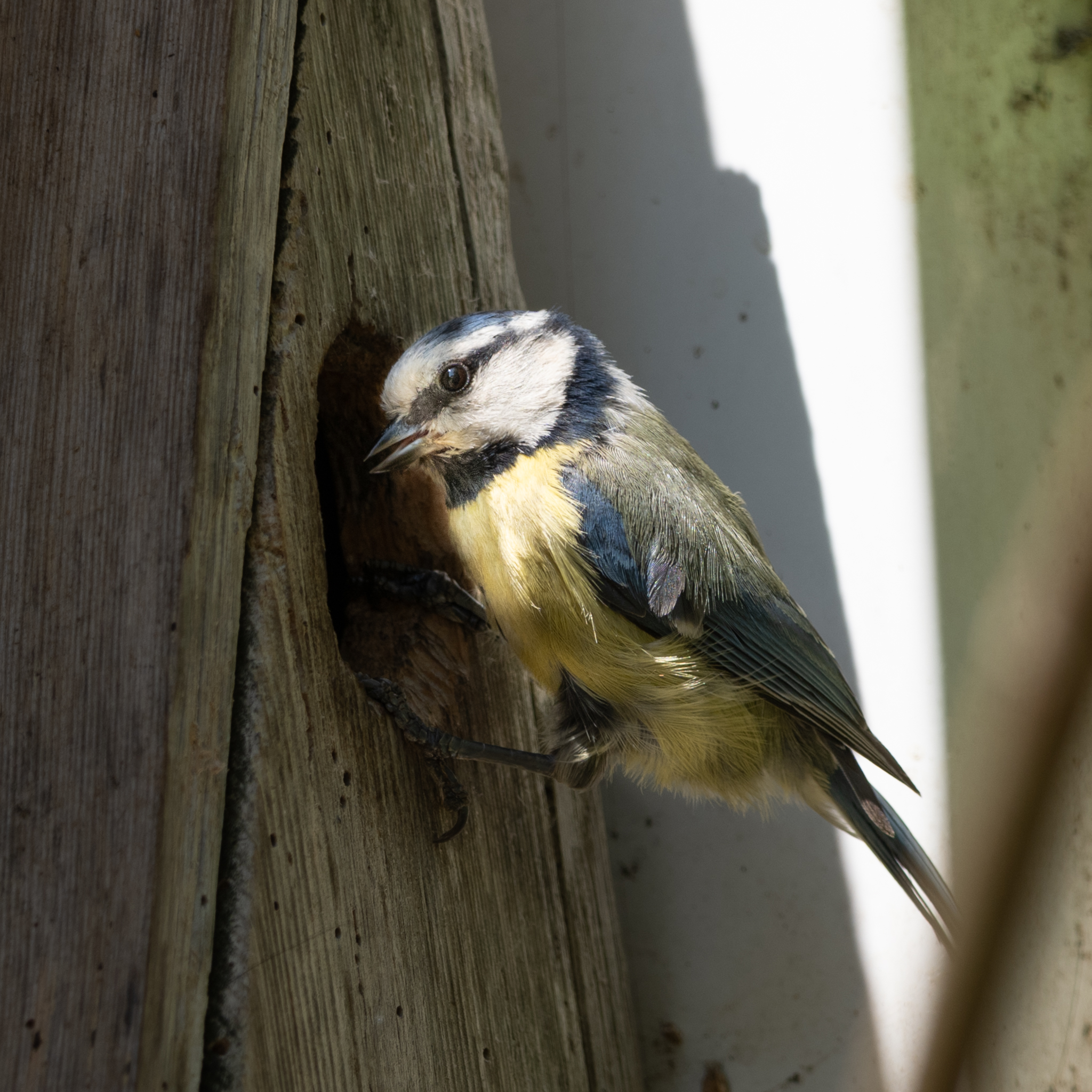
Bluetit
Leica Vario-Elmar 100-400 SL @f6 ISO 160 @ 222 mm
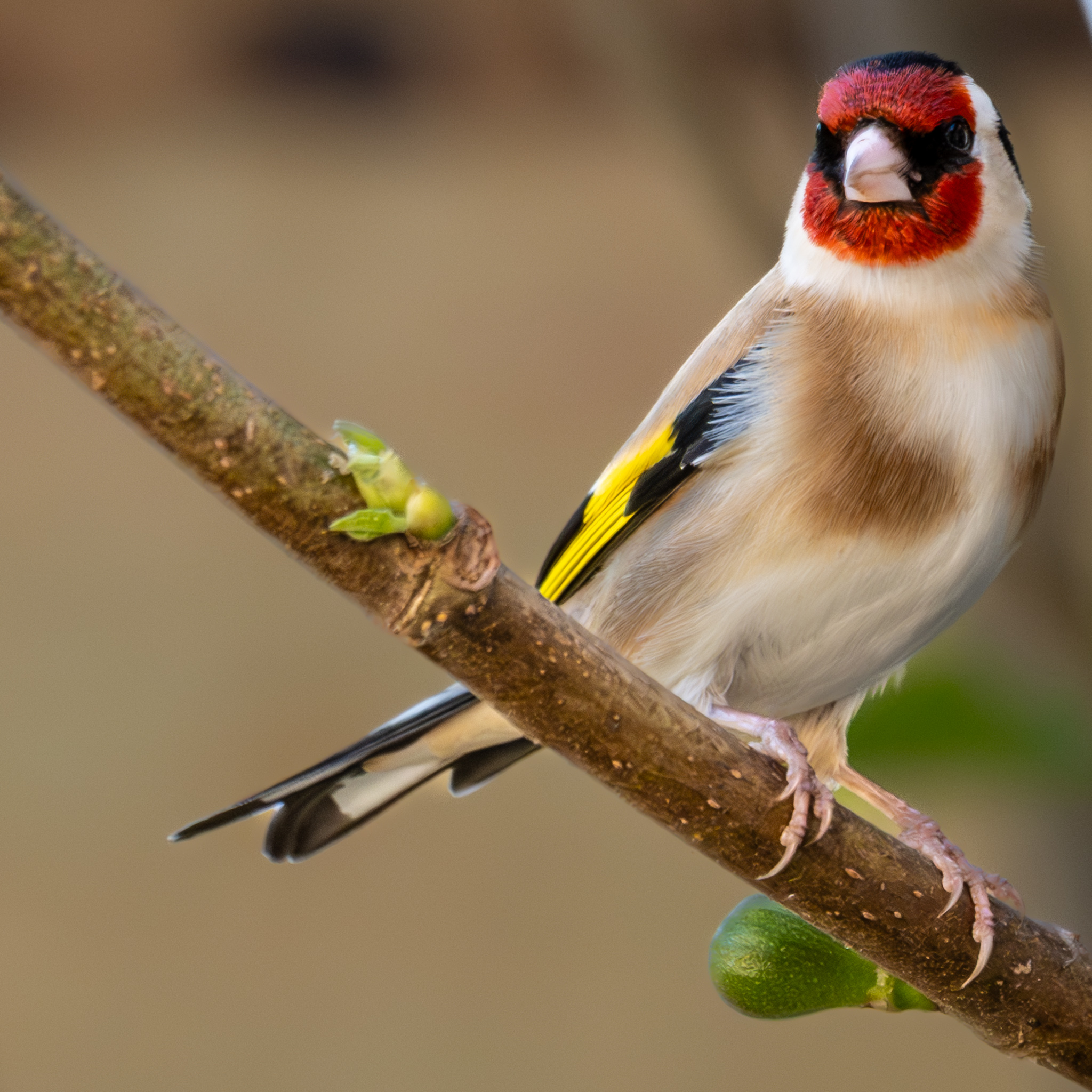
Goldfinch
Leica Vario-Elmar 100-400 SL @f6.3 ISO 5000 @ 400 mm
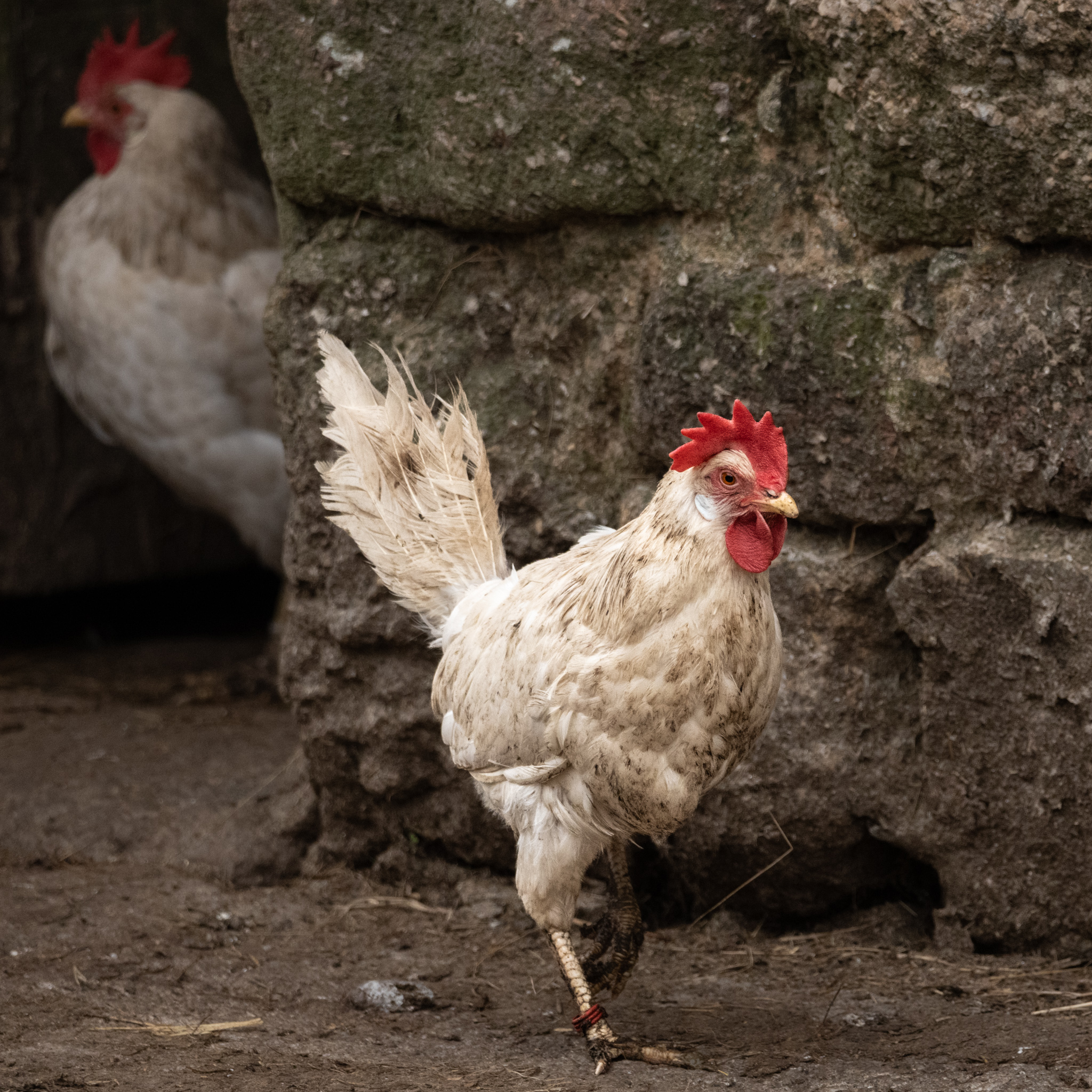
Chicken (well nearly)
Leica Vario-Elmar 100-400 SL @f6.3 ISO 3200 @ 312 mm
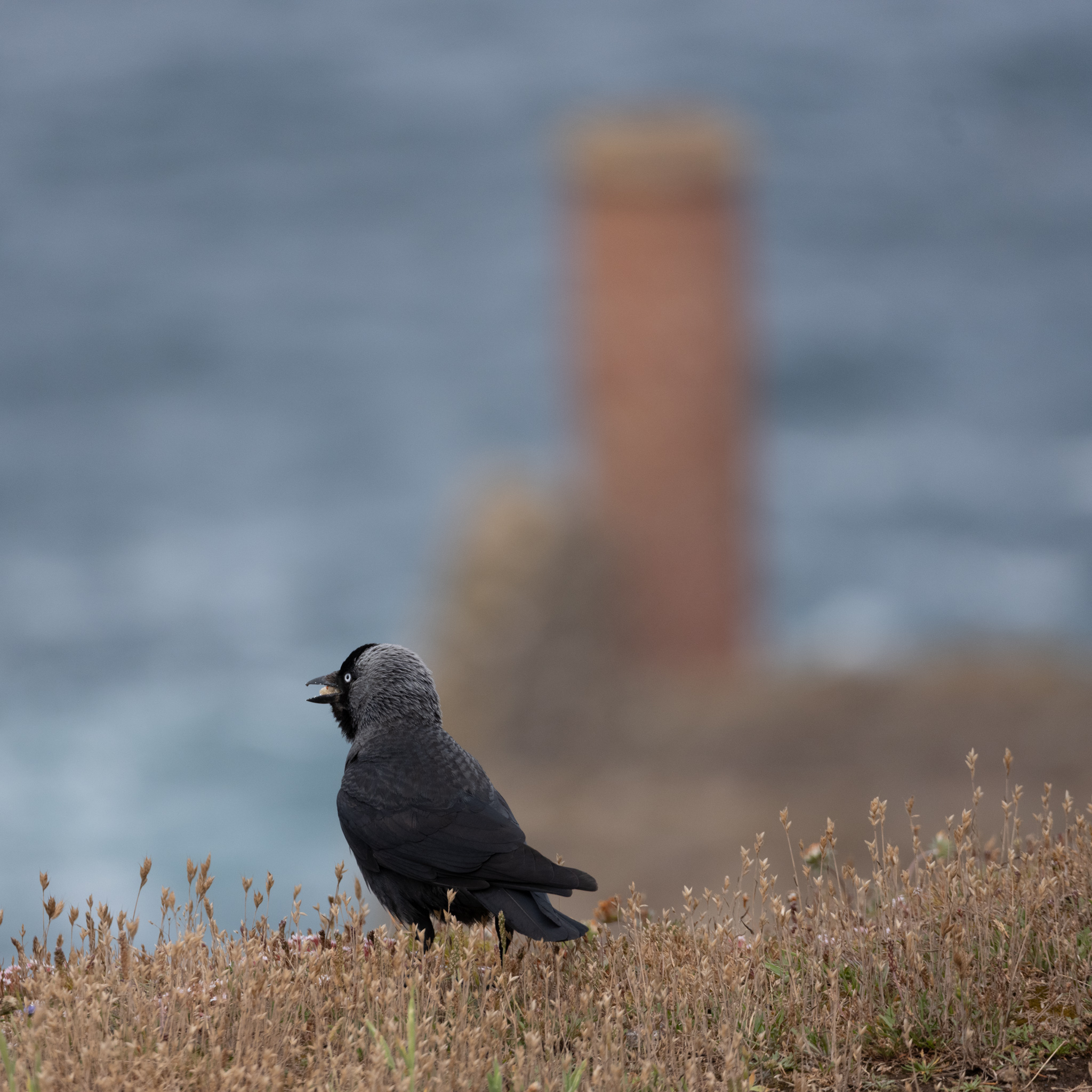
Jackdaw
Leica Vario-Elmar 100-400 SL @f6.3 ISO 1000 @ 400 mm
Wedding Camera?
A couple of years ago Emma said “no more weddings I can’t take the stress”. . . . until her delightful god-daughter announced her marriage!
Last weekend we took off in the VW California to sleep in a field in Somerset (just near Glastonbury). The wedding ceremony was in Bristol on Friday morning, there was a family barbecue back at the ranch on Friday evening and then a big party on Saturday evening with 6 bands from the excellent Bristol jazz scene (Benji, the groom is an accomplished professional bass player (amongst other skills).
I thought this would be a really good chance to put the SL3-P to test in a proper working environment. My previous workhorse for Weddings was the SL3 with the 24-90, with an M11 with a 50 or 75 for more intimate settings.
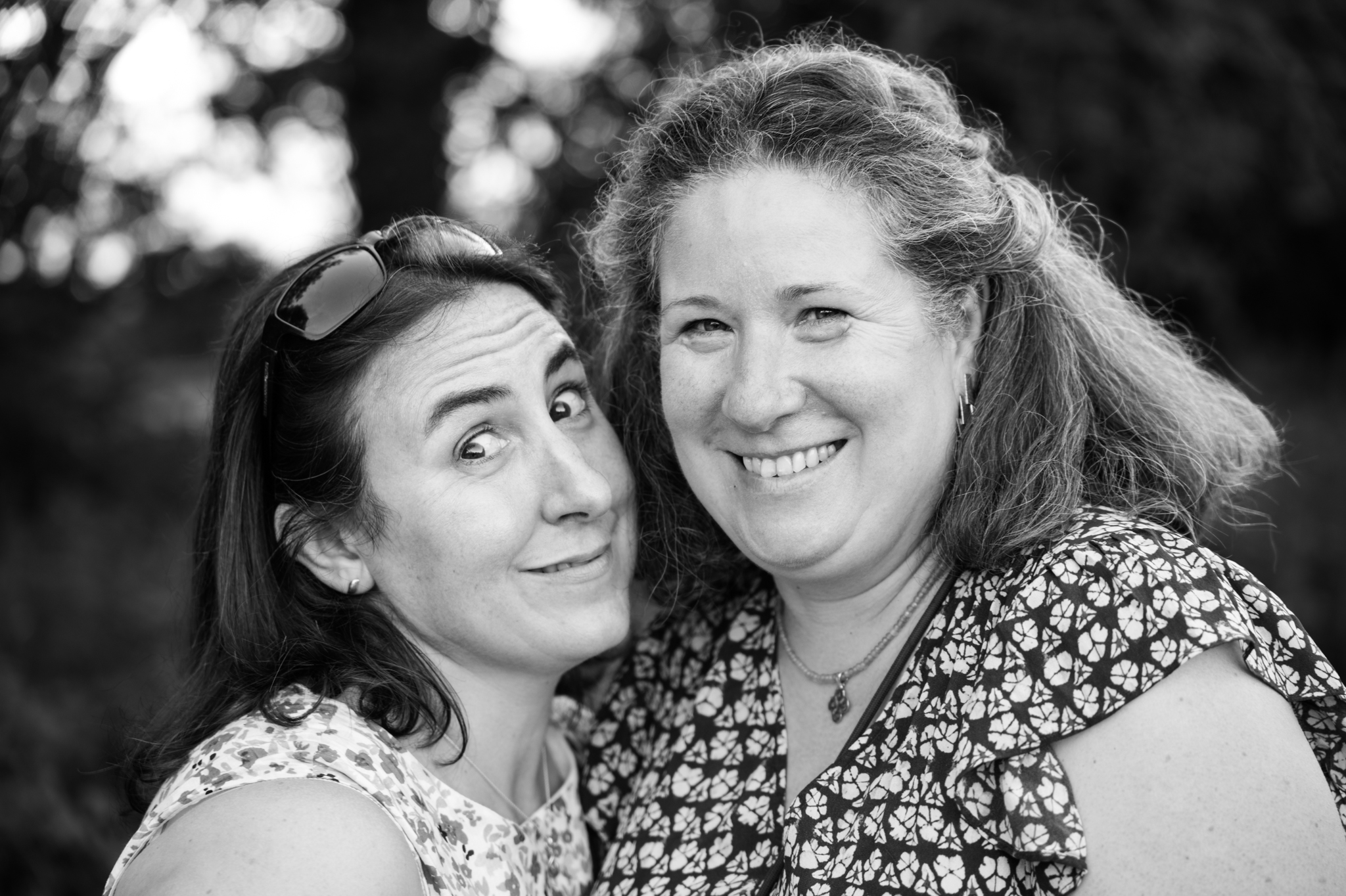
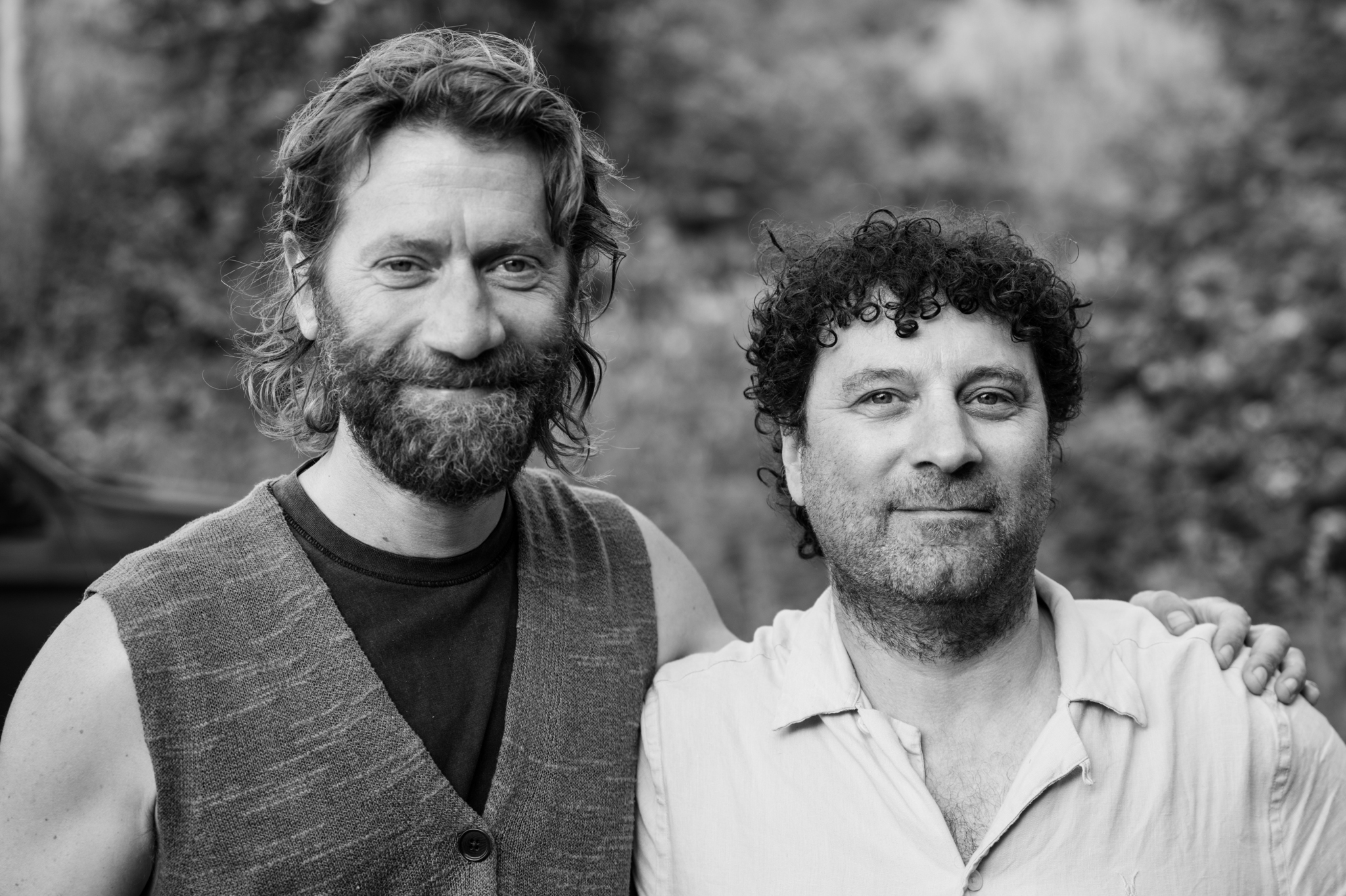
Oh Really?
Leica Vario-Elmarit SL 28-70 @f2.8 ISO 200 @ 70 mm
Buddies
Leica Vario-Elmarit SL 28-70 @f2.8 ISO 160 @ 70 mm

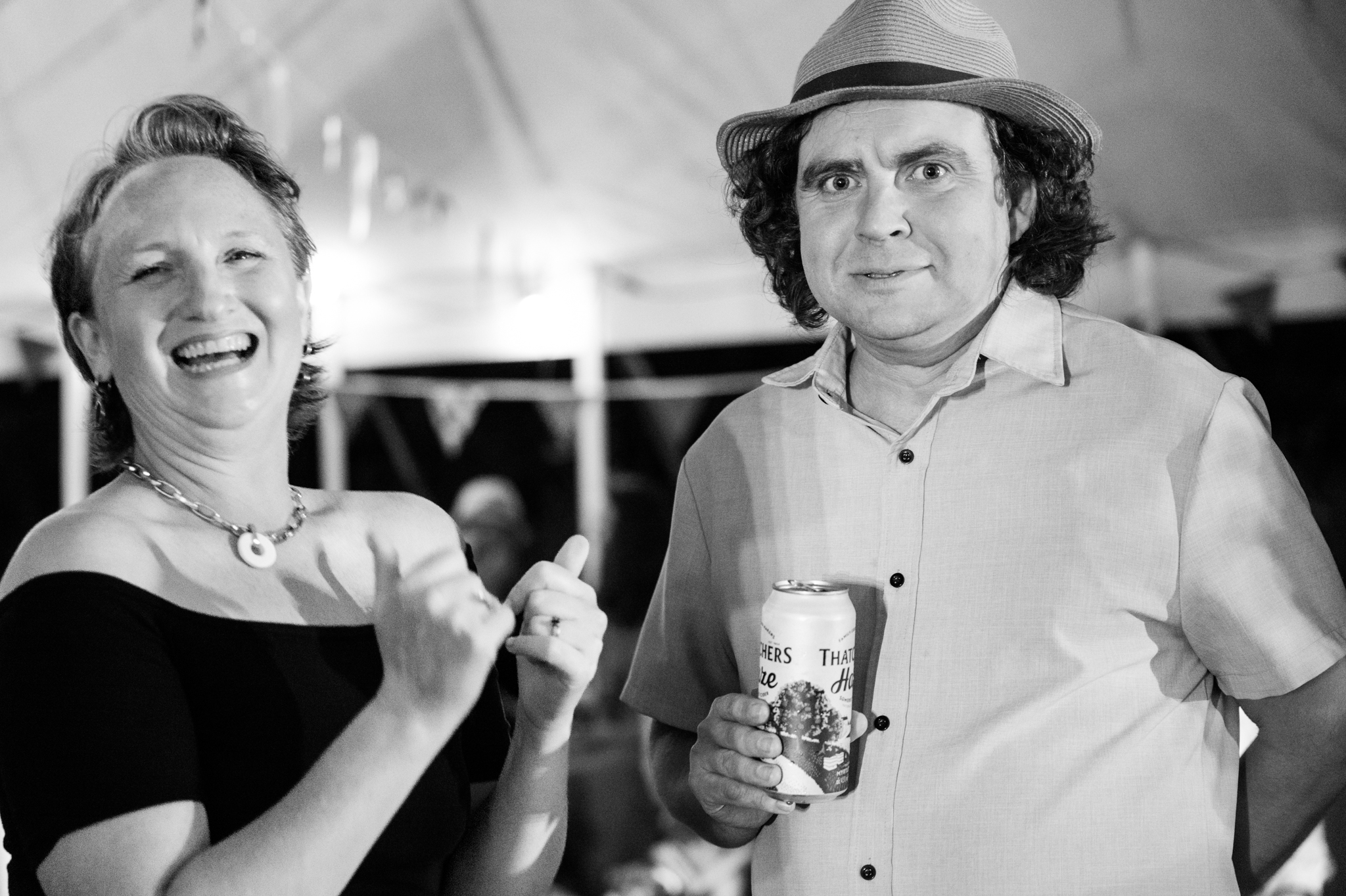
That's the Groom
Leica Vario-Elmarit SL 28-70 @f2.8 ISO 1000 @ 68 mm
Thatchers
Leica Vario-Elmarit SL 28-70 @f2.8 ISO 12500 @ 70 mm
This time I thought I would take a step forward in time and use the SL3-P with the diminutive 28-70 f2.8 for most of the work. I actually also used the M11 with the 50 f1.2 noctilux (classic remake) for those intimate moments.
Out of the 601 images which made the ‘first cut’ there were 538 with the SL3-P and 28-75. 42 with the M11 and the Noctilux and 21 with the M11 and the APO Summicron.
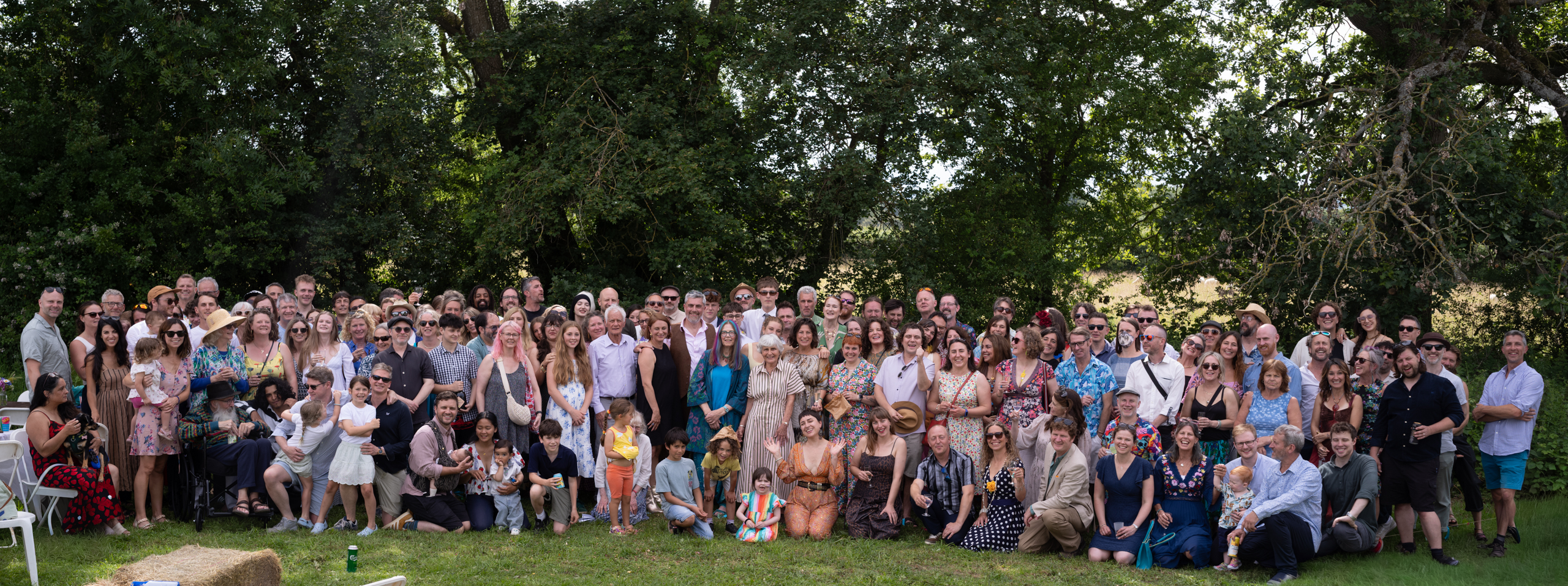
The Whole Gang
Leica M11 with 35 APO Summicron - sometimes you need all the resolution you can get!
For the ceremony itself I used the SL3-P, the 28-75 and the electronic shutter.
I set up the AF on continuous with human (eye/face/body) detect together with a slightly extended zone in Zone/Multi field focus (not tracking).
The camera was on Aperture priority (mostly at f2.8) with Auto ISO set with a maximum of 12500 ISO.
I had free range of the ceremony room and the electronic shutter meant that I wasn’t disturbing anyone with clicks.
It worked like a charm - even though the room was really very poorly lit. Basically it nailed everything.
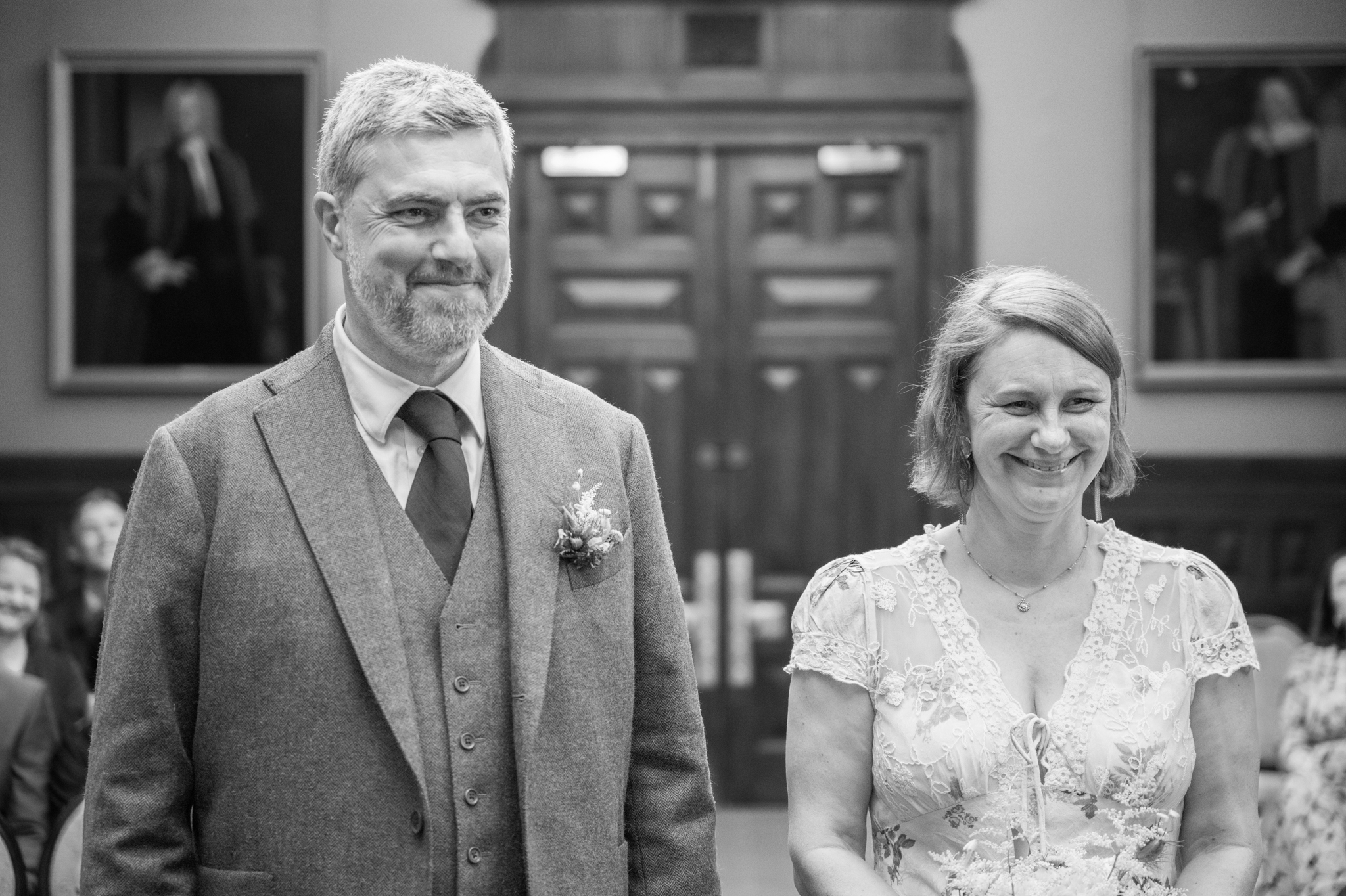
The Happy Couple
Leica Vario-Elmarit SL 28-70 @f2.8 ISO 6400 @ 70 mm
Event Camera?
Sadly the Ladies Tractor Road run is not until 5th July, but I’m planning to use the camera for that as well, and will write about it later. I don’t have much doubt that it will perform better than any camera I’ve used for it in the past.


Oh Really?
Leica Vario-Elmarit SL 28-70 @f2.8 ISO 100 @ 70 mm
The Cake
Leica Vario-Elmarit SL 28-70 @f6.3 ISO 250 @ 70 mm
The Elephant in the Room
Stacked sensors - lots of people are going to say “Why doesn’t it have a stacked sensor”. “They have a faster readout time which normally results in faster shot to shot times and quicker AF”.
But if, like the SL3-P you have 40 frames per second, a fast readout, and AF (which works really well) with a BSI sensor, you have to ask yourself “What For”
BSI sensors generally have better dynamic range, they probably also hold highlights better than stacked sensors and they are much cheaper to manufacture.
In this instance, although I’ve done no sports (where I’m certain it would be excellent), I’ve worked with flying birds, dogs and children (and drummers with straight sticks). Over more than 10,000 shots I haven’t seen any which would have been better with a stacked sensor.
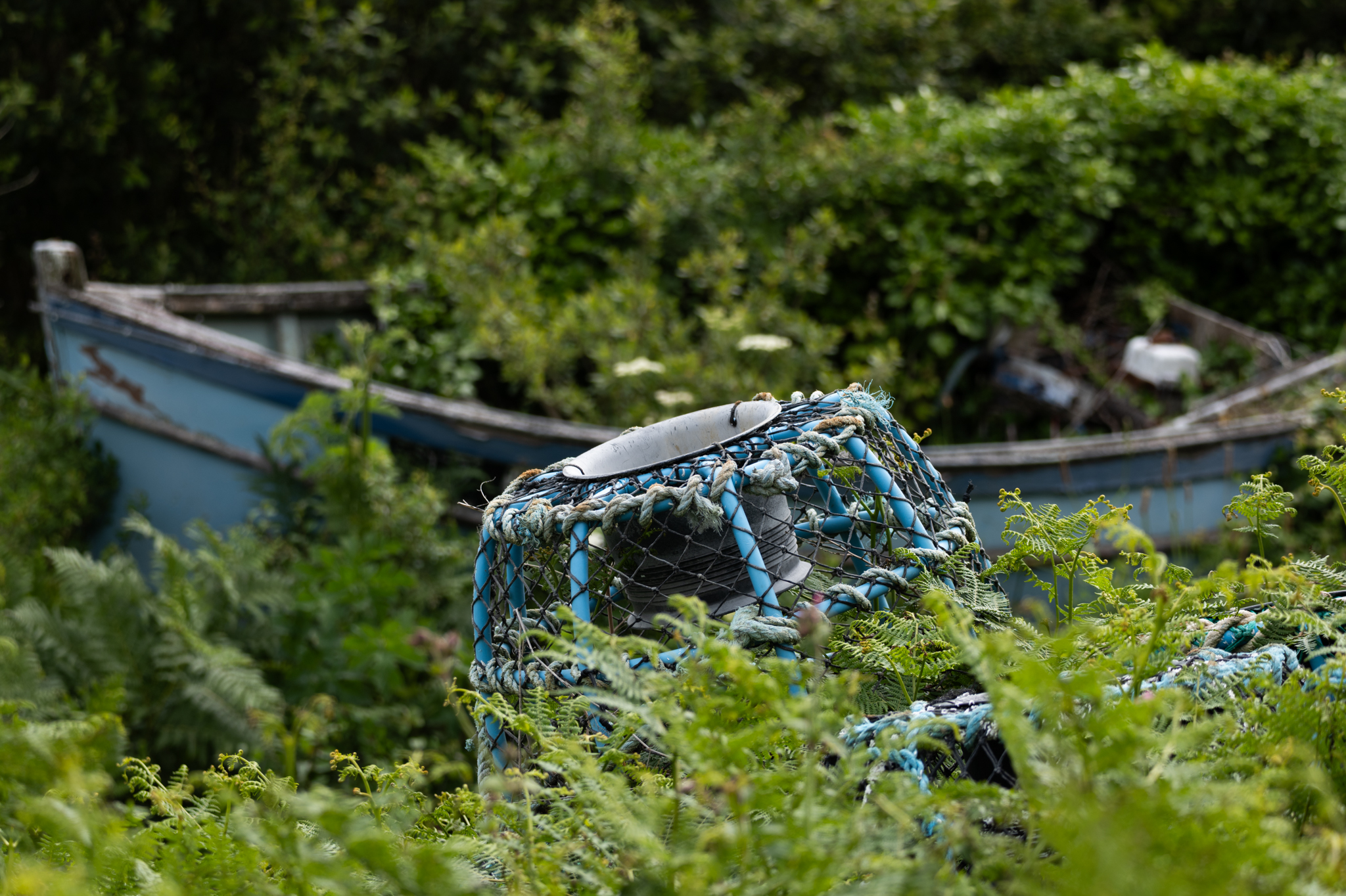
Lobster to Go
Leica Vario-Elmar 100-400 SL ISO 125 @144 mm f5.6
New Lenses
Two new lenses have been announced together with the SL3-P
Leica APO-Macro-Elmarit-SL 100 f2.8
Many of us remember fondly the previous Leica incarnation of this lens, indeed many of us are using the R lens with an adapter as a macro lens on the SL cameras. This new AF APO lens is made in Japan (and none the worse for that). It has the advantage of auto focus and a focus limiter switch and is properly dust and splash resistant. It looks lovely in the pictures but I haven’t got my hands on one yet. I plan to write a proper article about it when I do.
This is due to ship early in the Autumn.
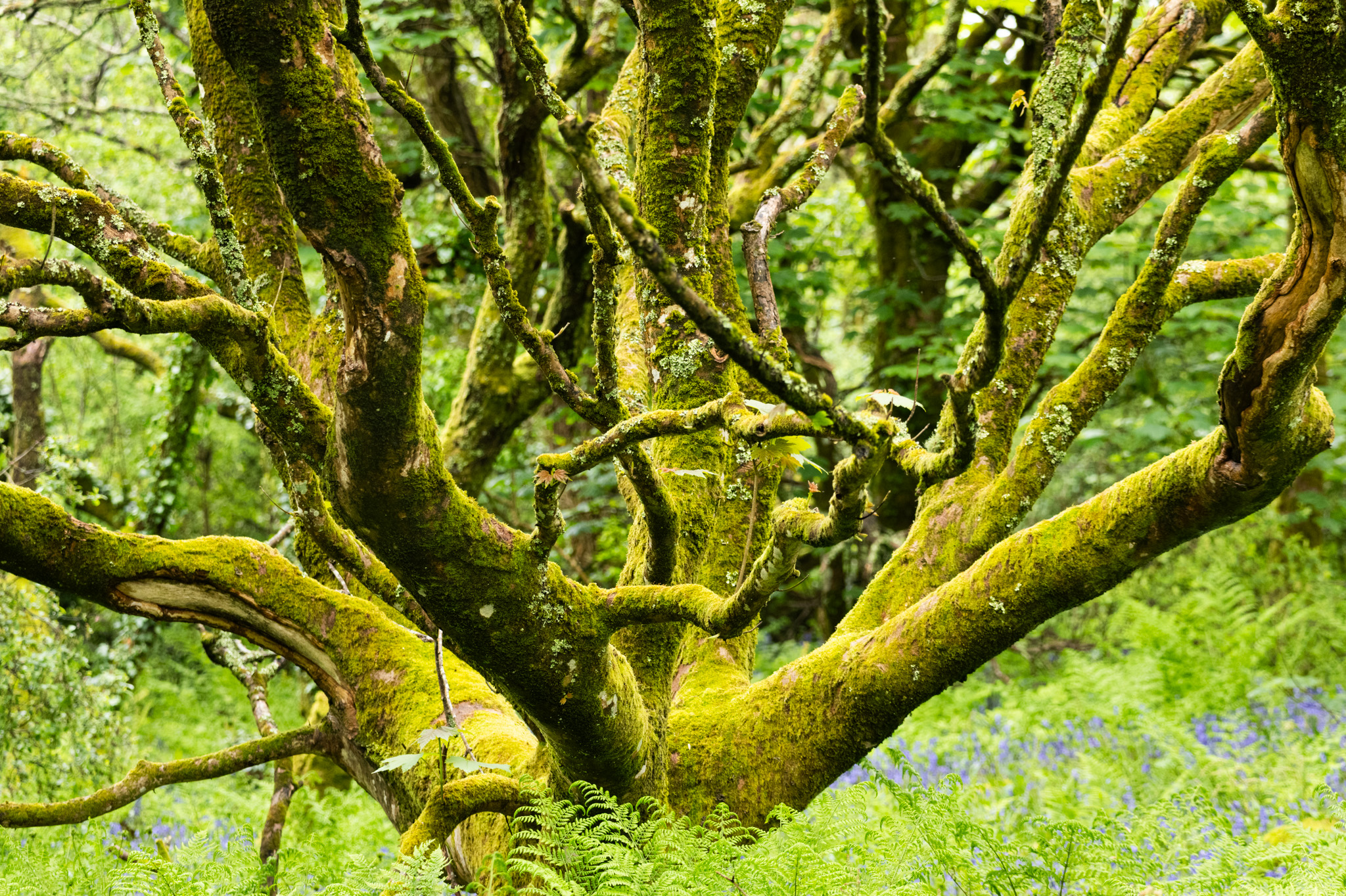
Tony's Wood
Leica Vario-Elmar 100-400 SL ISO 2500 @136 mm f6.3
Leica Summilux-SL 50 f1.4 Asph
I was lucky enough to play with an early prototype of this lens for a couple of hours when I visited Wetzlar in April. It is apparently the smallest 50 f1/4 autofocus lens ever made. In addition to this it focuses incredibly quickly, especially on the SL3-P.
It is not designed to be of the same optical quality as the existing 50 f1.4 (Size really does Matter here). However it has been designed and made in Germany from the ground up using the very latest technology to have character as well as real quality.
Whilst wandering in the springtime woodlands in Wetzlar I shot almost exclusively wide open. It seemed to me to be sharp with really lovely bokeh.
I’m hoping to kidnap one of these lenses from Leica in the near future, I can’t imagine I won’t buy one as well, but I will certainly be writing a review of it nearer to the shipping date towards the end of the year.
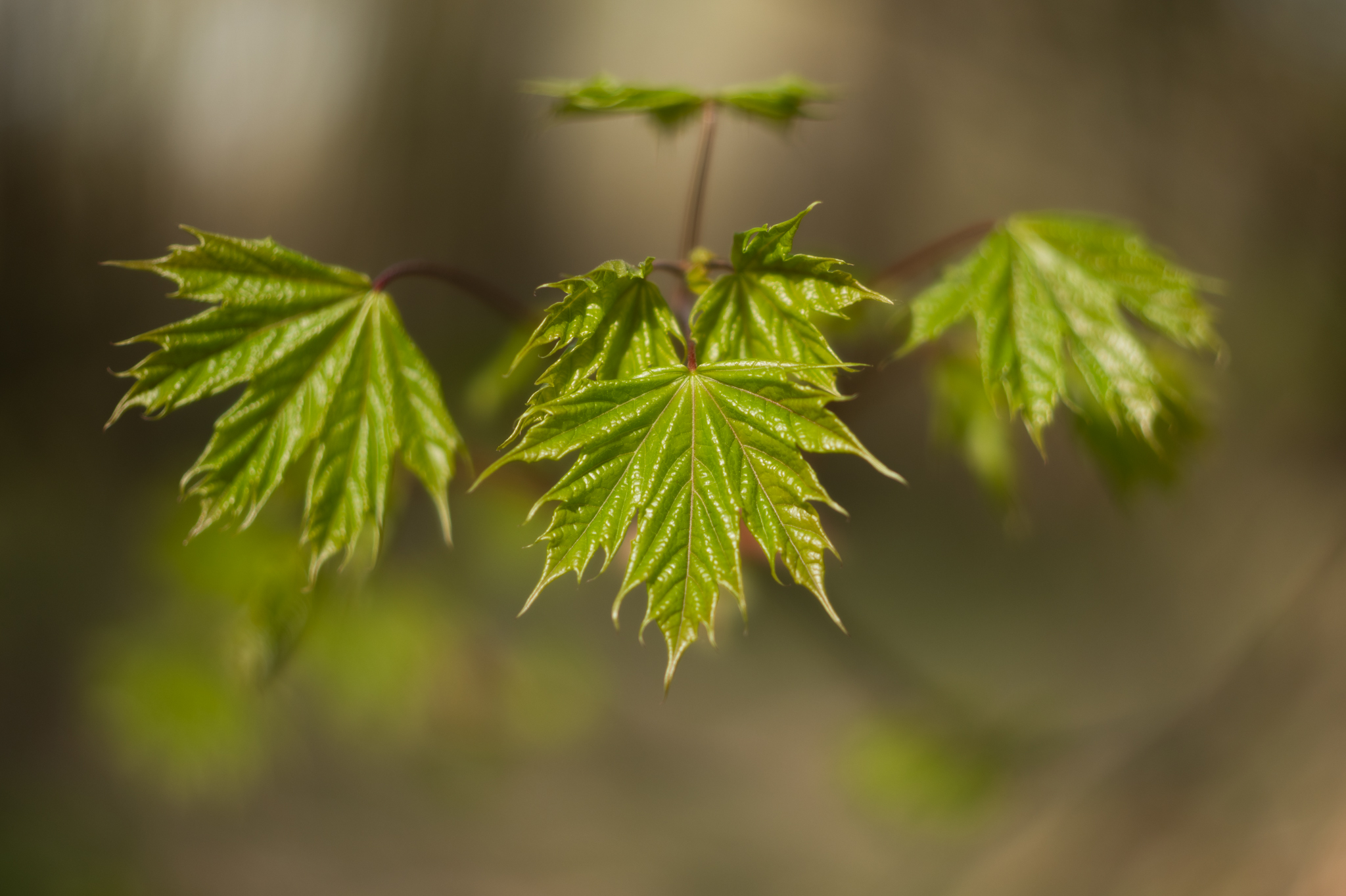
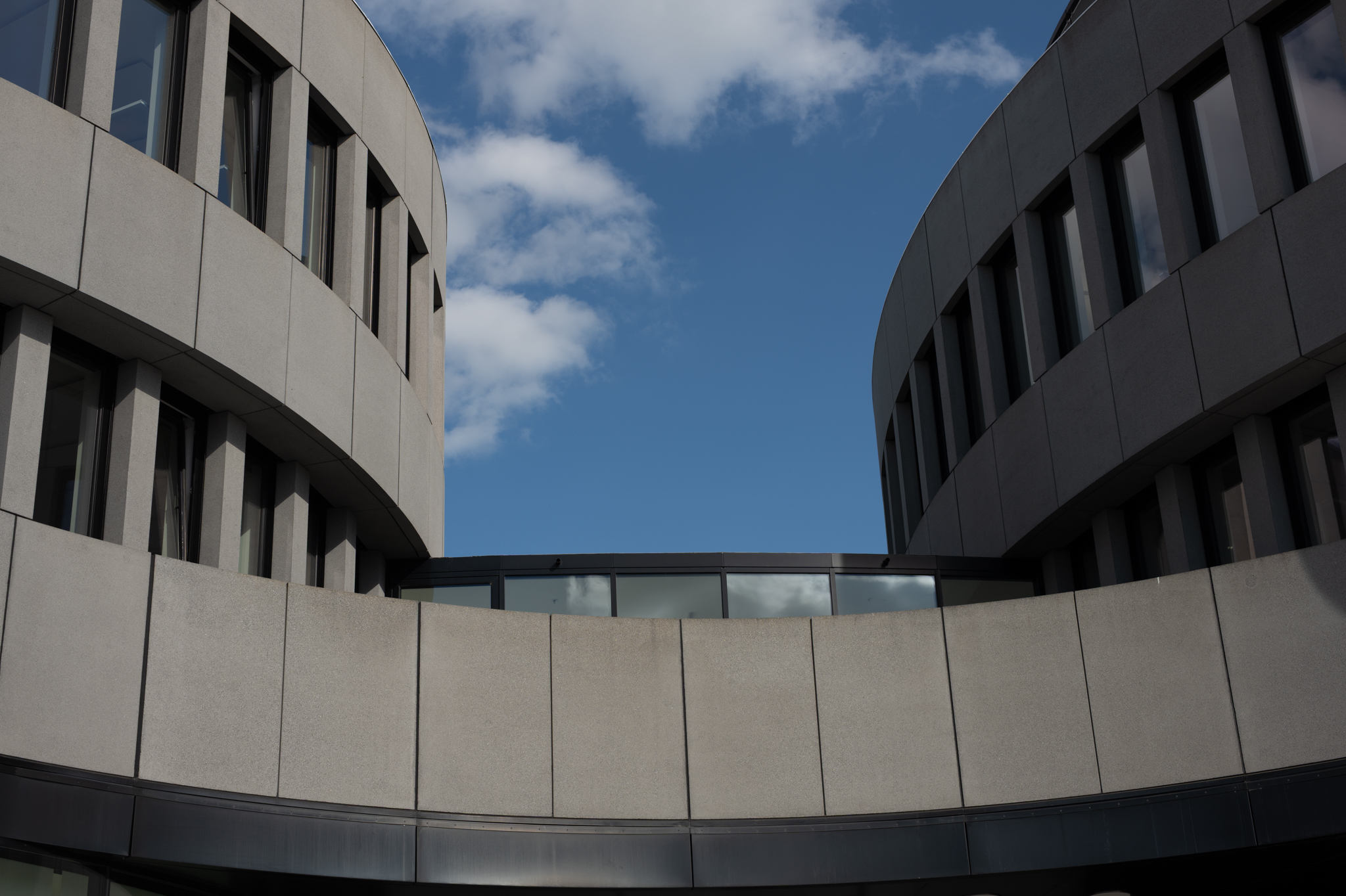
Maple leaves
Leica Summilux-SL50 f1.4 Asph
The Mothership
Leica SL3-P Leica Summilux-SL50 f1.4 Asph
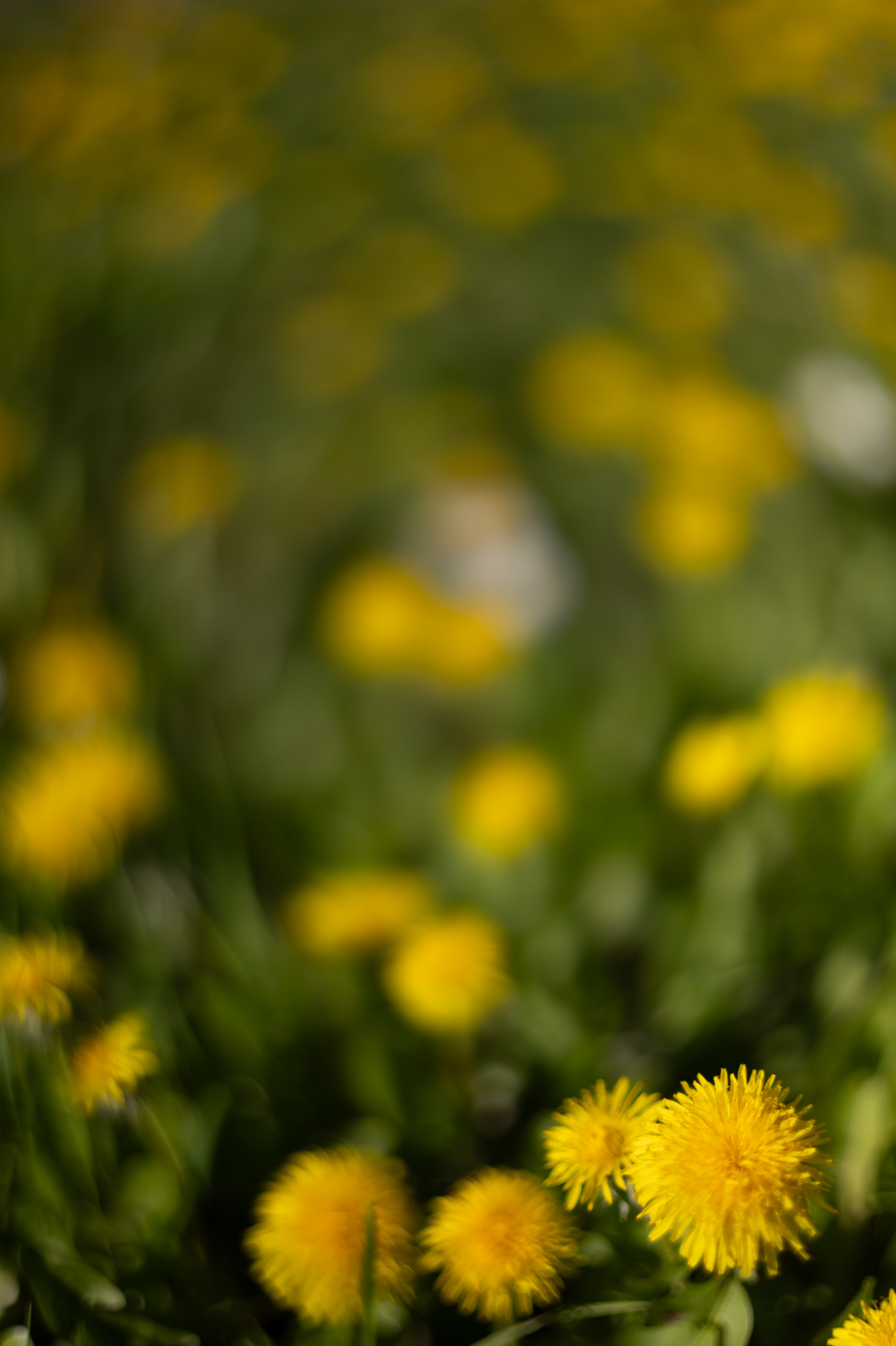

German dandelions
Leica Summilux-SL50 f1.4 Asph
Hari and . . . .
Leica Summilux-SL50 f1.4 Asph
Conclusion - All that Matters
When I first used the camera I wasn’t convinced that it was really enough of a step up from the SL3 and SL3-S, New firmware and a different approach to lens choice has really changed my mind.
Of course the old Leica SL lenses - the 16-35, 24-90 and 90-280 together with the SL Summicrons represent the pinnacle of image quality, but they don’t focus as fast as the more modern lenses. Fine if you don’t need it, but if you do, then the newer lenses are definitely faster, you save some money and only lose a little in quality.
Personally I’ve rather fallen in love with the 28-70 f2.8 and the 100-400 Vario Elmar. They aren’t too heavy, they focus and track very fast and they both provide excellent image quality (without breaking the bank). If you are more traditional and favour the conventional triumvirate (14-24 / 24-70 / 70/200) then they are all great performers too.
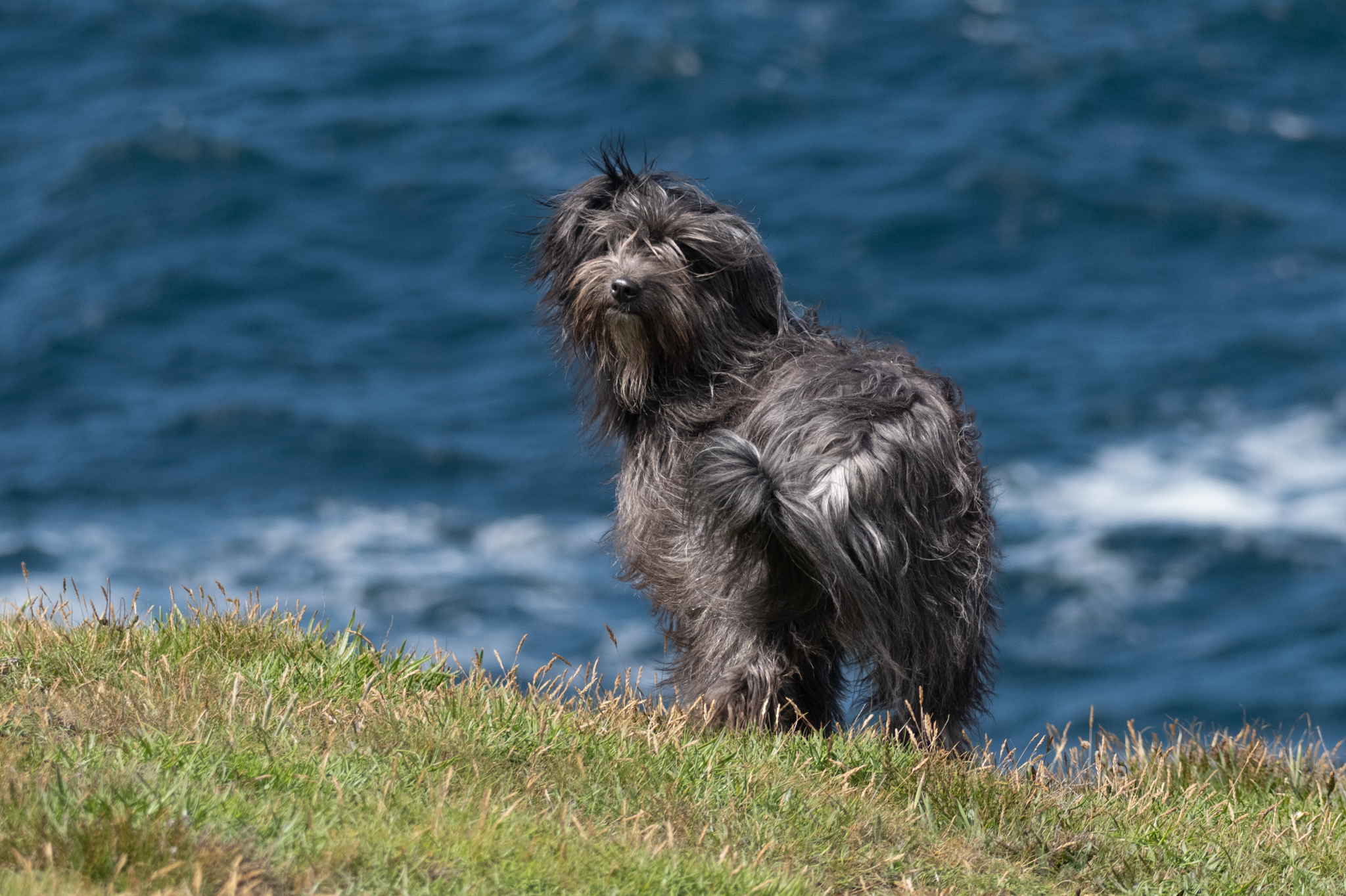
I'll jump if you don't give me a treat
Leica Vario-Elmar 100-400 SL ISO 160 @144 mm 1/2500
For some incredibly specialised professional sports situations a global shutter and a stacked sensor might provide some benefits, but only in the hands of a really skilled professional. . . . and the sacrifices are not small! You will be missing out on the fantastic Leica interface (they really have got this stuff right), the lovely rugged body and design and almost certainly some image quality too.
The SL3-P has all that matters in a great package for a decent price (and there are going to be some great bundles at launch). Get it with the 28-75 and you cannot fail to love it (I know I do).
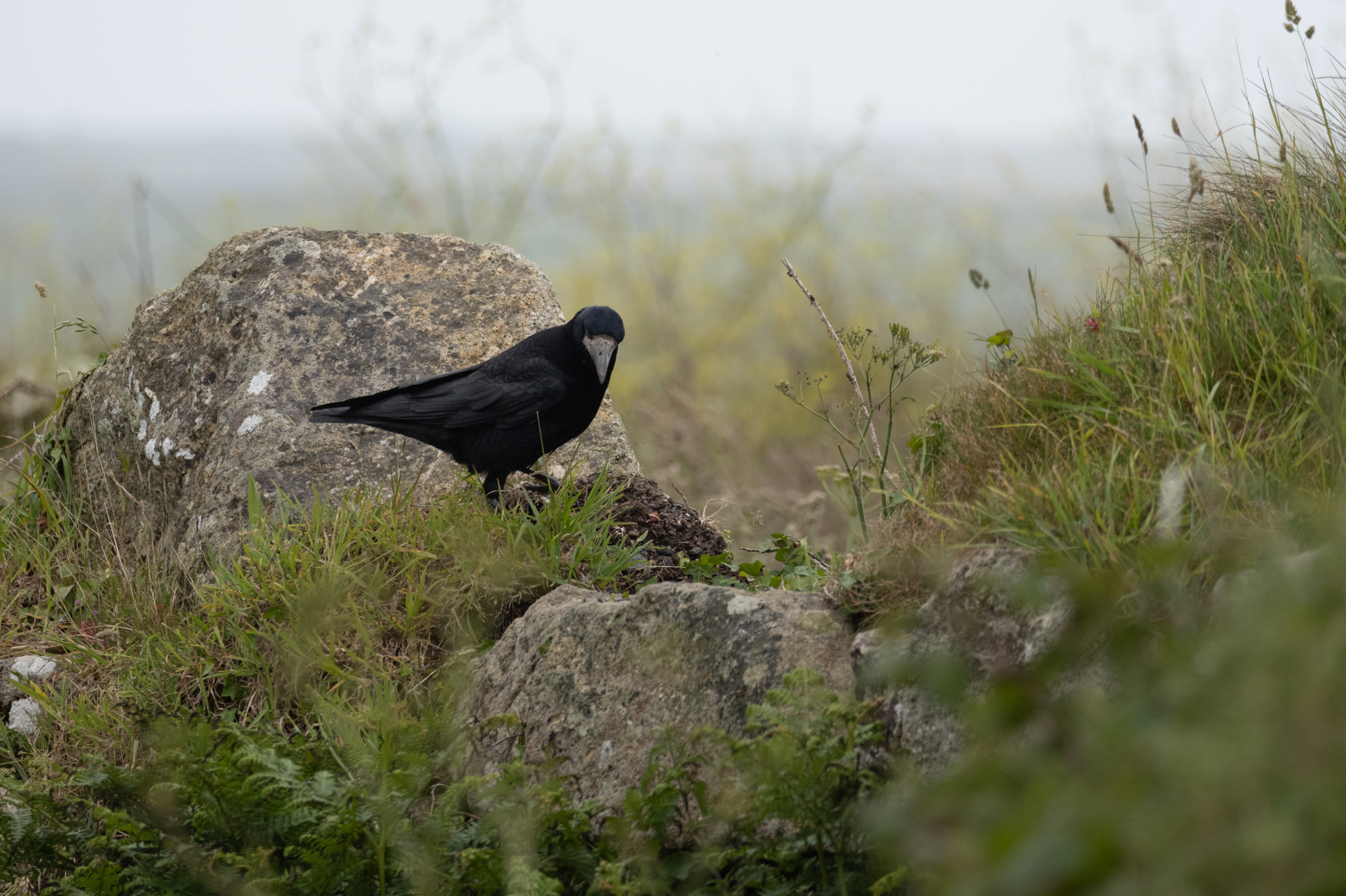
Rook
Leica Vario-Elmar 100-400 SL ISO 1000 @291 mm 1/2000
Before You Go
Every year for the last 12 years Emma (my wife) has spent the first Sunday in July dressed up in pink and driving her tractor for 55 miles around the fields and lanes of Suffolk with 200 other ladies (for 25 miles of it!).
This is in aid of Breast Cancer Research. Together they have raised £1,360,000 for the good cause - this year they are hoping to get to 1.5 million! Please could you help? all your money will go to breast cancer research. If so - please click on the picture or the logo below!
Acknowledgements
Thank you to:
Gerrit Gissel at Leica for all his help and support in writing this article and supplying so. much information.
Also, and as always to Stefan Daniel for his continued support.
Thanks also to Elmar Streyl and all the other Leica Beta testers (you know who you are). This stuff is so much more fun and productive with lovely people to talk to (and to laugh with) - do read Elmar's article at the Leica User Forum.
Finally, and always, to Emma, who puts up with my spending time taking photos and writing!
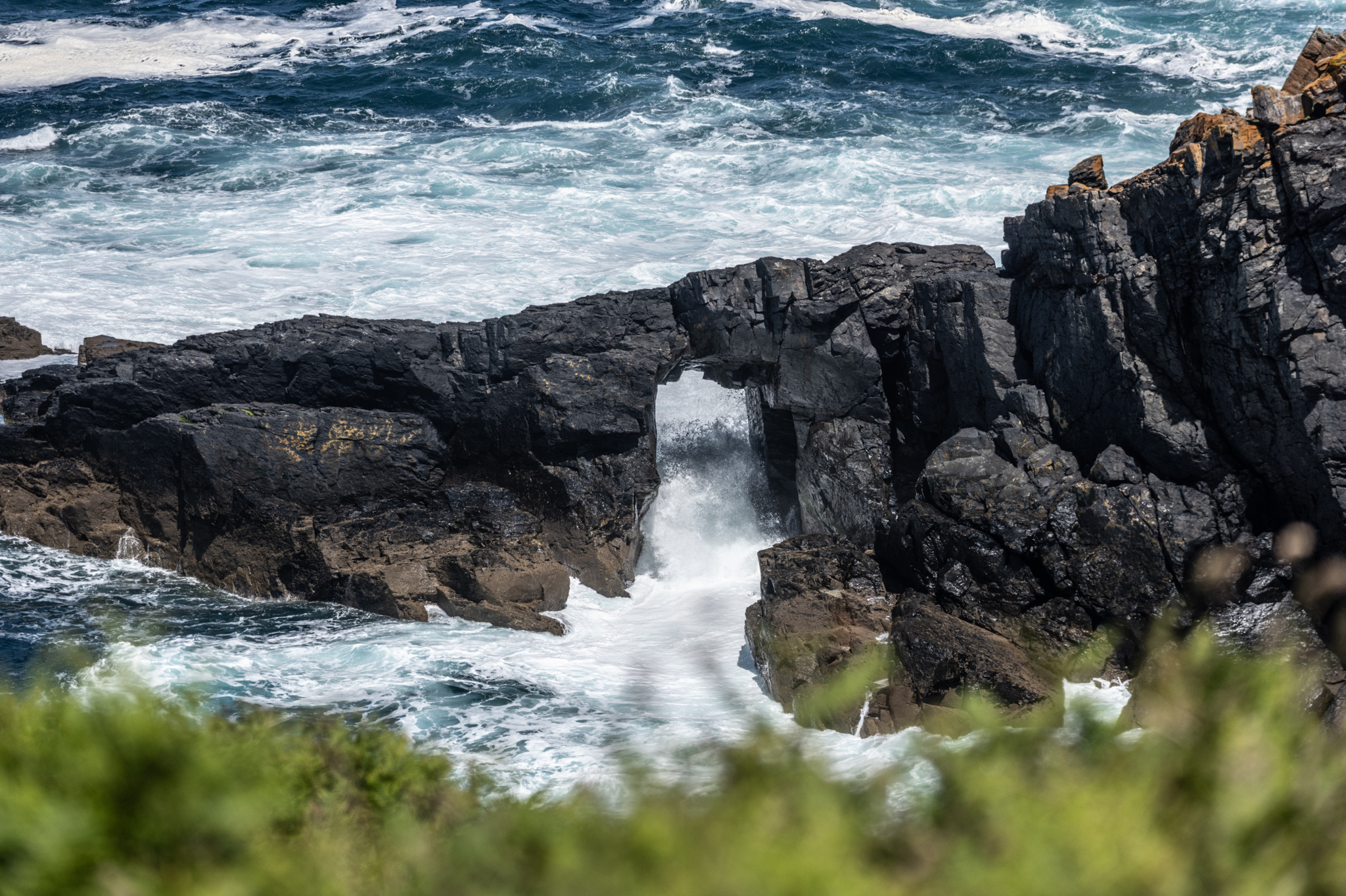
Botallack
Leica Vario-Elmar 100-400 SL ISO 400 @235 mm 1/2500
Jonathan Slack has been testing cameras for Leica since 2009, he has also been writing about them, and all the old articles can still be found on this website (maybe an index is coming!).
Jonathan Slack's duty of care is to Leica, and whilst he would never omit something he considered important, nor say anything he didn't consider to be true, it is worth remembering this when reading these articles.
There are no adverts, no click bait and nobody (Leica or anyone else) pays for these articles to be written. This is in an attempt to remain objective and not to be distracted by the hunt for clicks.
Jonathan Slack is also a member of the board of LSI (Leica Society International).
Click on the Leica Society logo below to look at the Leica Society International website where you can find a huge resource of Leica material and join the society to learn more about Leica and photography and to meet up with like minded people.