
Leica Noctilux-M 35 f/1.2 Asph
Jonathan Slack
January 29th 2026
Suffolk Dawn
Leica M 11 1/320 f9.5 ISO 80
Introduction
This is an important release for Leica, it’s the first new Noctilux since the 75 f1.25 was announced in November 2017. In fact it is only the 5th Noctilux Leica has made since 1966. A big deal indeed!
It is also the first 35mm Noctilux, something which has been rumoured ever since the f0.95 was announced in 2008. I think there will be some people who are upset that this lens isn’t also f0.95, and it was clearly a difficult decision for Leica, and something I will address in this article.

The Eyes Have It
Leica M EV 1 1/1000 @f1.2 ISO 64
I’ve been lucky enough to have this lens for nearly a year now in three different iterations, I’ve had a full production lens since just after Christmas. I have shot it on the M11, the M EV1 the SL3 and SL3-S, it’s been a lot of fun!
First of all it’s worth having a look at the history of the Leica Noctilux Lenses
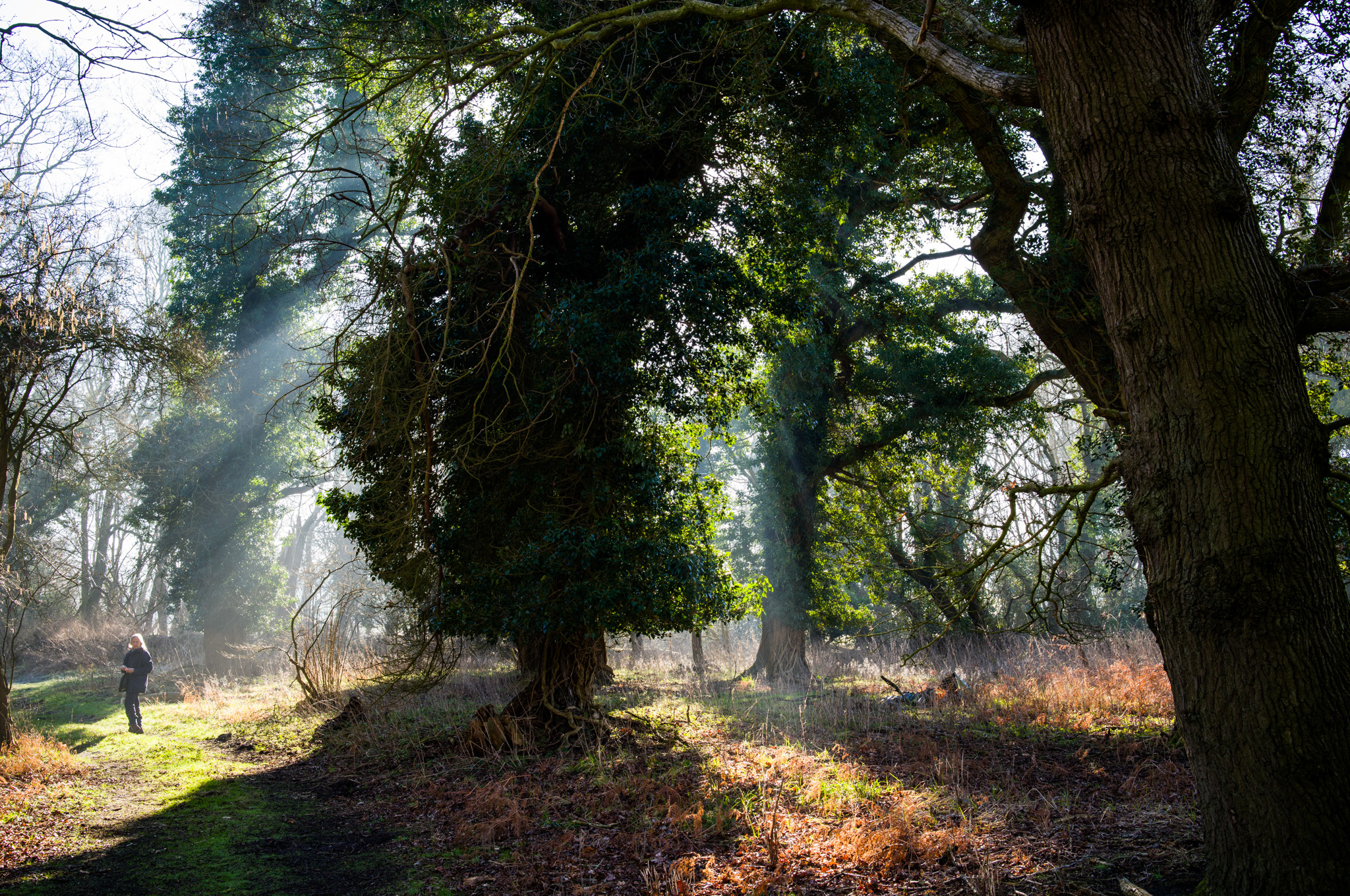
Bosky morning
Leica M EV 1 1/125 @f16 ISO 400
History
The history of the Noctilux is fascinating - in the early days film was slow and shooting in low light was quite a different experience from current day cameras with their perfectly usable 100,000 ISO (and more).
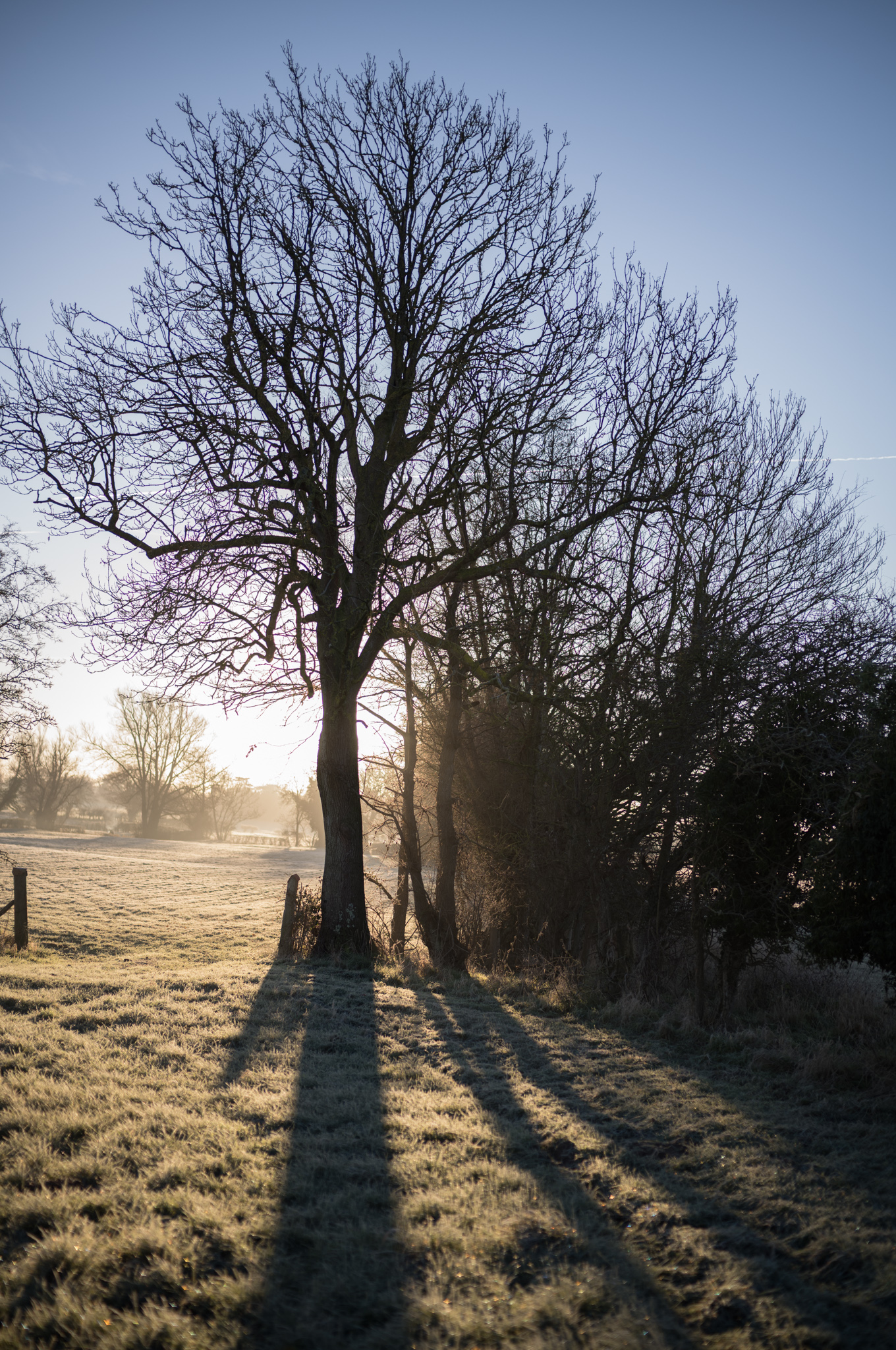
Dawn
Leica M11 1/1250 Sec @f1.2 ISO 64
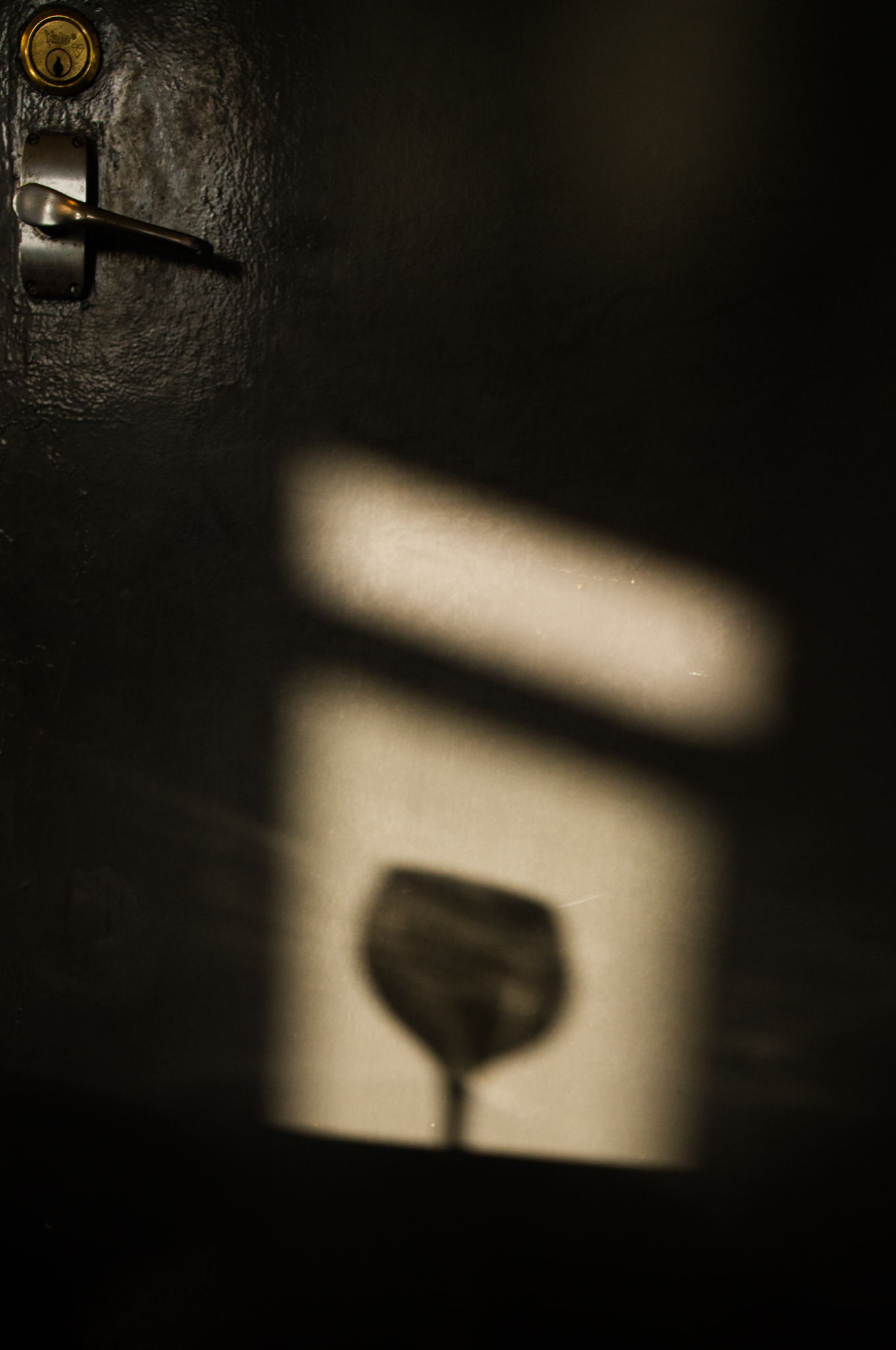
Dry January
Leica M EV1 1/180 @f5.6 ISO 800
The Nikkor 5cm f1.1
Nikon had brought out the 5cm f1.1 rangefinder lens in February 1956, developed by by Murakami Saburo after years of design work, apparently only using an abacus. It featured 9 elements in 7 groups, but although very fast it suffered from serious coma and field curvature and was relatively soft wide open: it only remained in production until about 1959 but remained the fastest lens in Nikon’s range for many years.
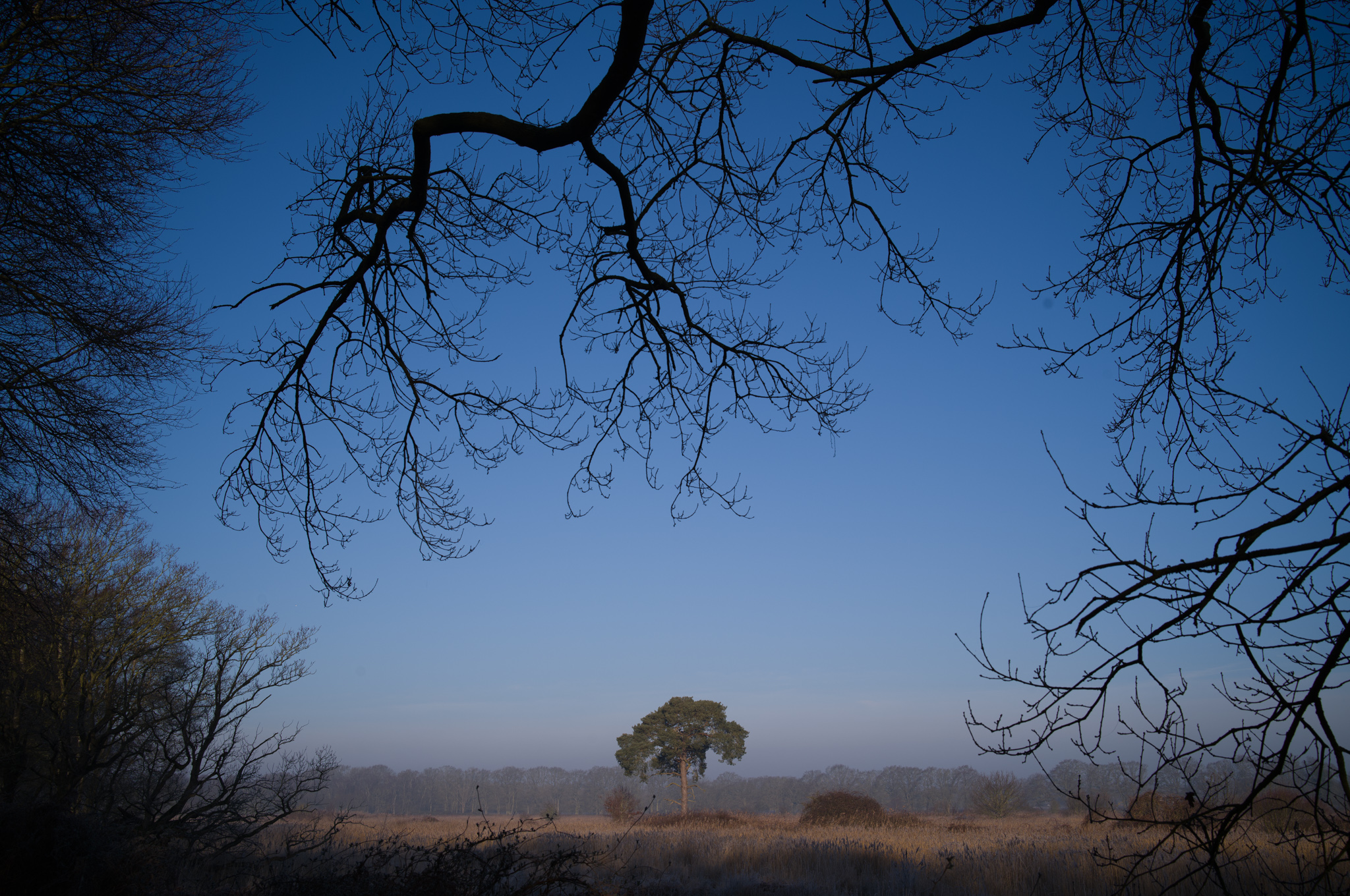
Autumn Fen
Leica M EV 1 1/400 @f8 ISO 64
The Pursuit of Light
In the 1950’s and 1960’s Leica rangefinder cameras were very much the equipment of choice for photojournalists and documentary photographers, better low light performance was always welcomed, and so fast lenses became increasingly important for Leica to keep their dominance in the market.
In 1957 Leica started work on aspherical elements in an attempt to solve the problems associated with spherical aberration in fast lenses. (Causing blurring, reduced contrast and coma). In 1958 they produced their first prototype which was a 35mm Summaron f2.8 Asph, which had two aspherical elements, but which never came to production).
In 1959 they made a prototype of a 52mm f1 Asph also with two aspherical elements, but this was never produced due to poor image quality wide open.
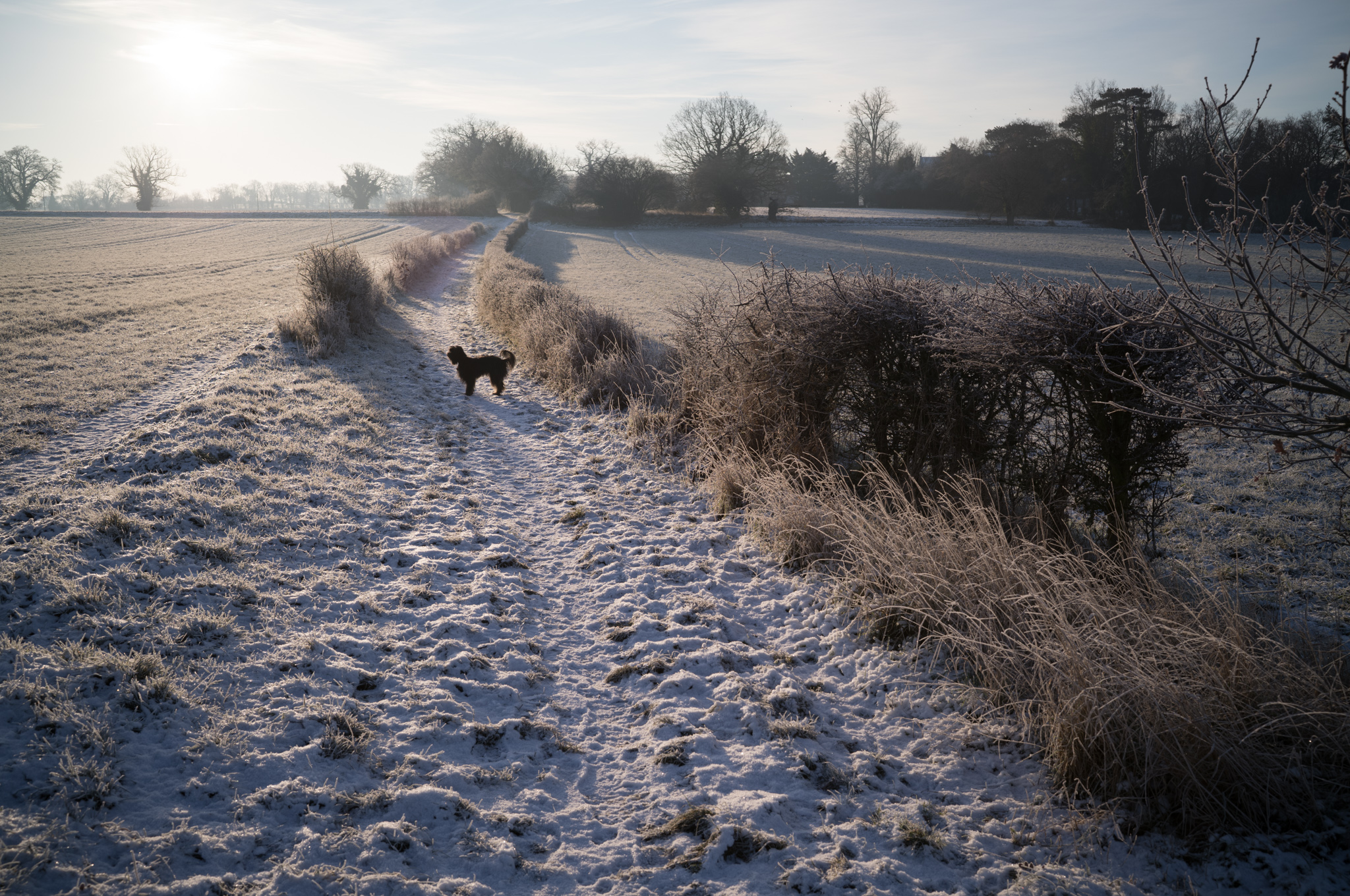
Deer Watching
Leica M 11 1/320 @f5.6 ISO 80
The Noctilux 50 f1.2 Asph
In 1964 the first prototype of the Noctilux 50mm f1.2 Asph was produced. This lens was designed by Helmut Marx and Paul Sindel). Helmut Marx was generally considered to be the successor to Professor Max Berek at Leica (Max Berek had died in service in 1949).
The Noctilux 50mm f1.2 Asph was finally released in 1966 at Photokina where it was the star of the show.
It had two aspherical elements which had to be ground by hand, which was an extremely difficult procedure, the story has it that Gerd Bergman was responsible for the machines and for the process, and was the only Leica employee who could actually do it, and even then there was a high failure rate.
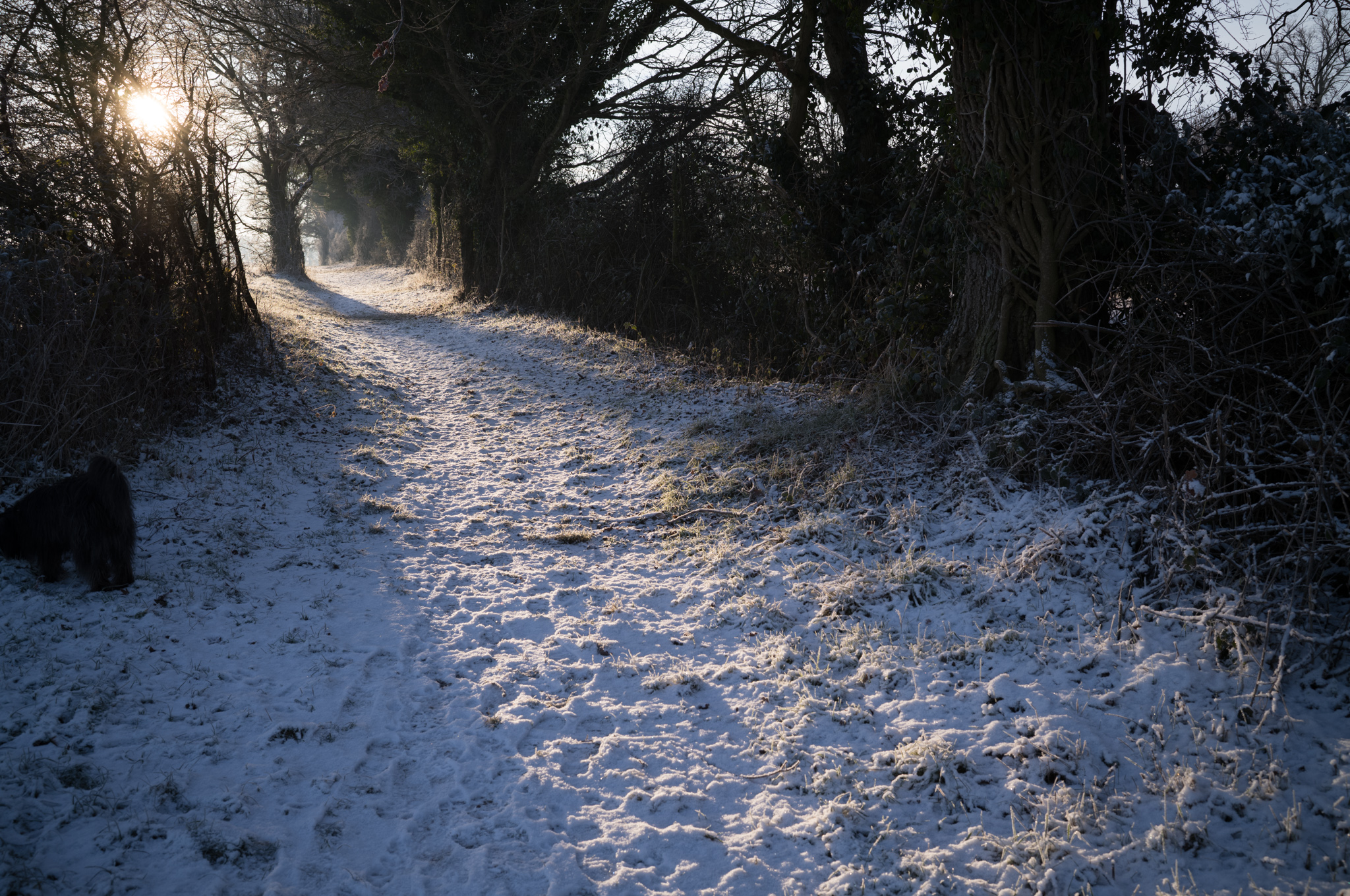
Light at the end of the tunnel
Leica M 11 1/320 @f5.6 ISO 160
Despite the difficulty of manufacturing, the lens stayed in production until 1975 with a total production of some 2,450 units.
In January 2021 Leica announced a reissue of the f1.2 Noctilux using modern manufacturing techniques and tolerances. I reviewed this lens on it’s release you can read about it here:
The Noctilux 50 F1.2 . I must say, this is one of my favourite and most used lenses (I have the black paint version). It is relatively small and light, wonderfully dreamy wide open, but very sharp when stopped down a bit.

Railings
Leica M EV 1 1/2500 @f1.2 ISO 64
The Noctilux 50 f1
Dr Walter Mandler was working at the Leitz factory in Midland Canada and was tasked with producing a fast lens which would be easier and cheaper to manufacture than the double aspherical f1.2 . He used highly refractive lanthanum glass instead of aspherical elements and created a slightly larger but even faster lens, but one which was easier to produce.
The lens had 7 elements in 6 groups, and was in production from 1976 until 2008, There were 4 different versions, but all of them were principally manufactured in Canada.
This lens is still very popular today and might be considered to be responsible for the ‘Mandler Glow’.

Chips and Church
Leica M EV1 1/16000 @f1.2 ISO 64
The Noctilux-M 50mm f0.95 Asph
Introduced at Photokina in 2008, the replacement for Mandler’s Noctilux was designed by Peter Karbe's team in Wetzlar. It has 8 elements in 5 groups including an aspherical element and elements with anomalous partial dispersion (to reduce chromatic aberration).
This lens is a favourite of many of my photographer friends, I was lucky enough to test it, and used it extensively for a few years. As Peter Karbe Says:
“The shallow depth of field made possible by the high lens speed – combined with incomparable colour rendering, rich contrast and exceptional detail – gives rise to images with truly unique aesthetics”
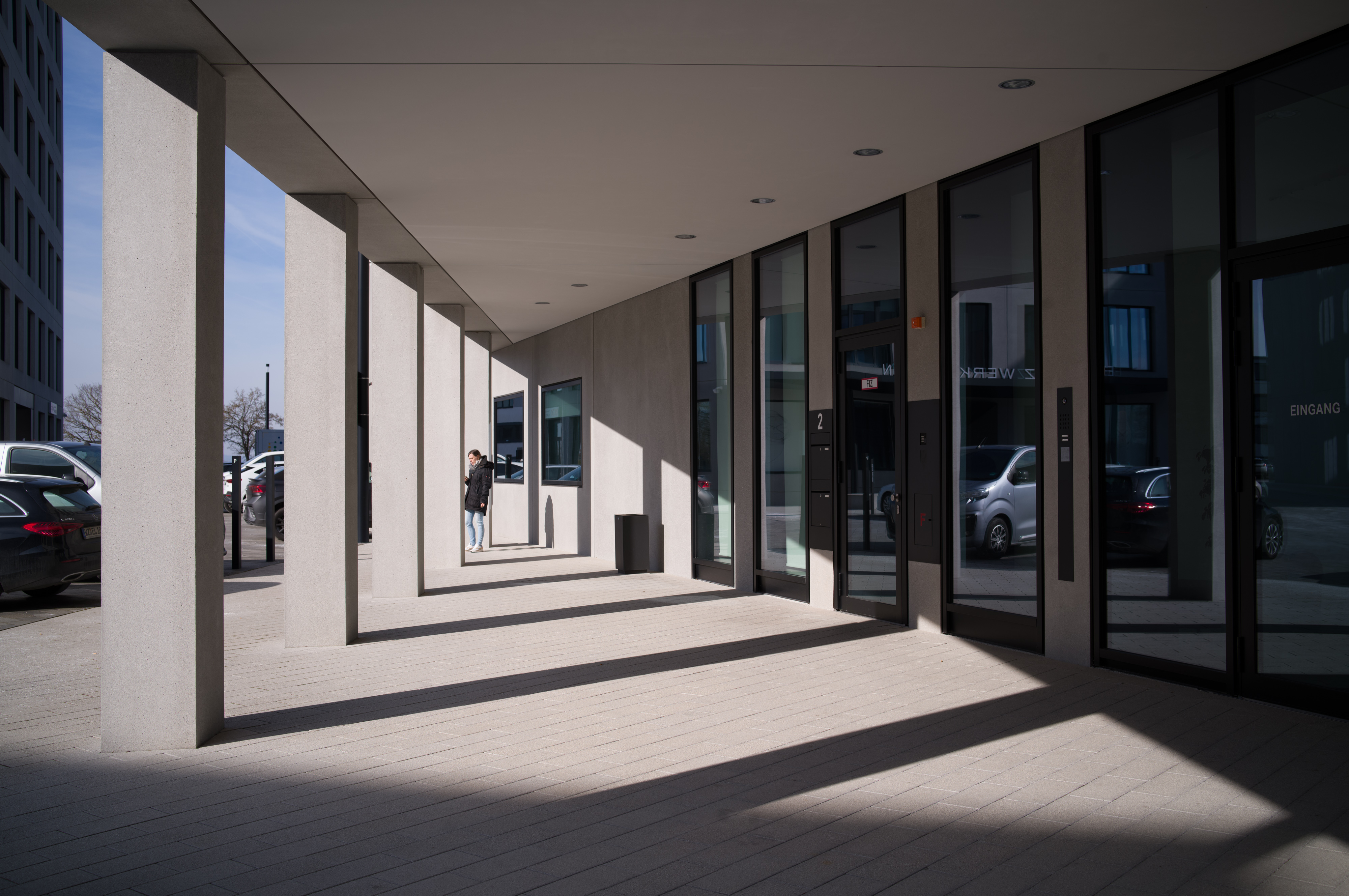
Wetzlar Sripes
Leica M EV1 1/300 @f4 ISO 64
The Noctilux-M 75 mm f1.25 Asph
In 2017 Leica announced the new 75mm Noctilux. I had been testing various iterations of this lens over the previous 18 months, When it was released I bought one, and it was a mainstay of preparation photography for weddings and much else. I wrote about it here: (
The Noctilux-M 75mm f1.25 Asph)
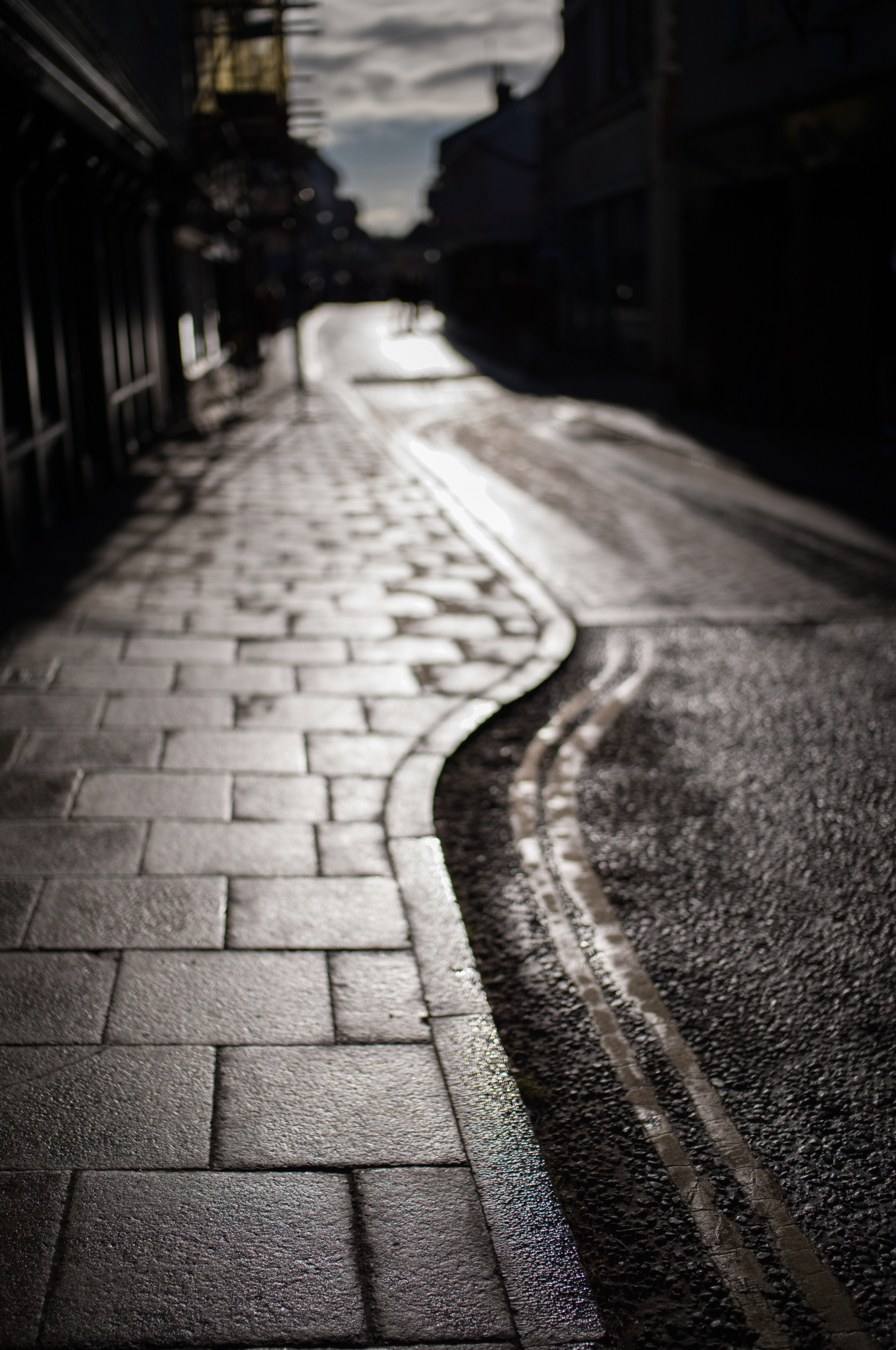
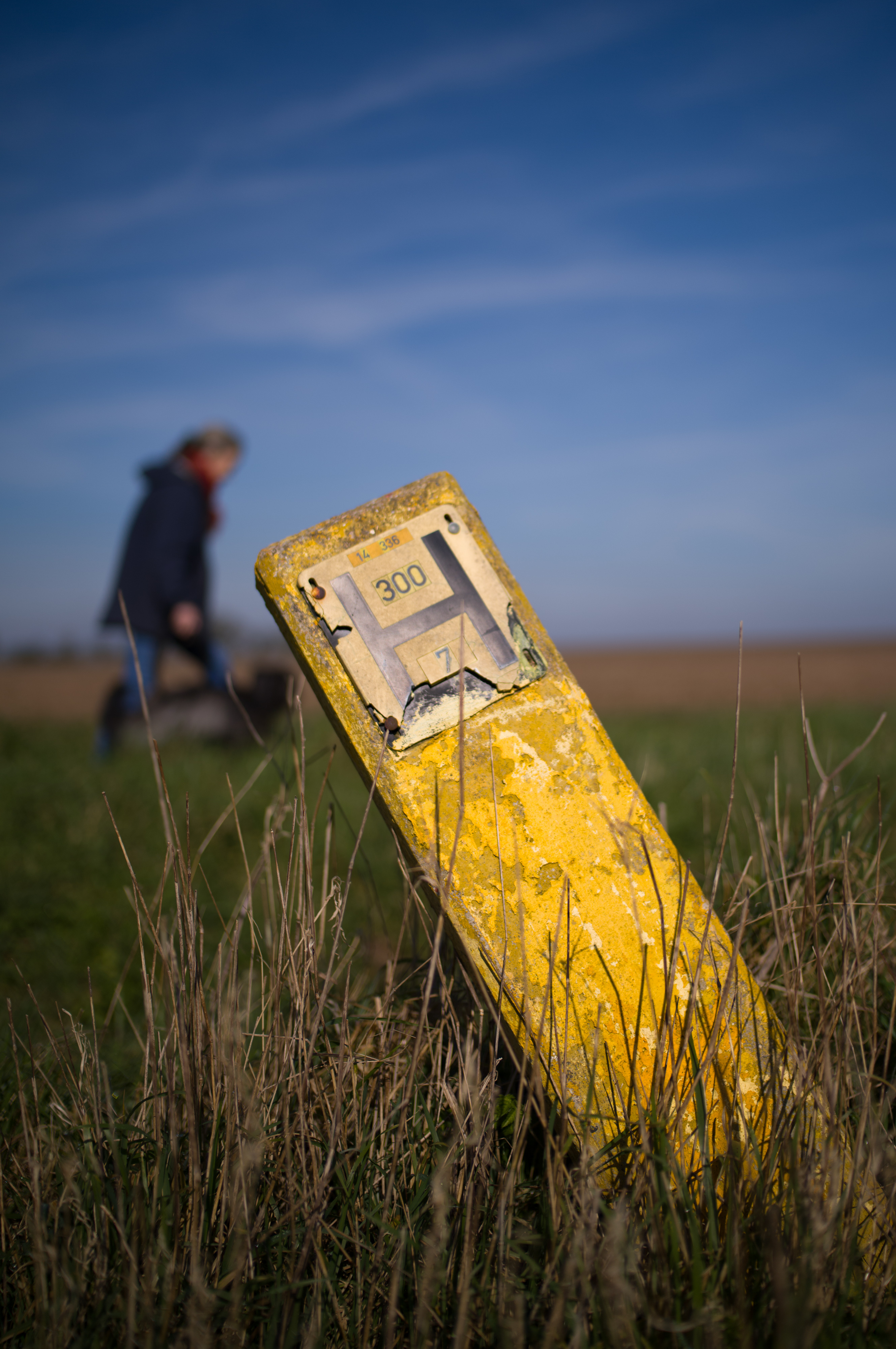
Deserted Diss
Leica M EV1 1/16000 Sec @f1.2 ISO 64
Pushing against the Yellow
Leica M EV1 1/16000 @f1.2 ISO 64
This lens was also designed by Peter Karbe's team and he said:
“We pulled out all the stops we had at our disposal for this lens”.
It has 9 elements in 6 groups including two aspherical elements and lenses with anomalous partial dispersion. It has an extremely shallow depth of field and combines wonderful detail with lovely bokeh.
It even reduced the minimum focusing distance (1 metre with previous Noctiluxes) to 0.85 metres - so it is also excellent for close up photography as well as portraits.

Azurro Evening (dreaming of Fuerteventura)
Leica M EV 1 1/160 @f5.6 ISO 125
The Noctilux-M 35mm f1.2 Asph
So, now we come to the new lens which is made from 10 elements in 5 groups of which 3 are aspherical.
The lens is a compact 50.2 mm and a chunky 64.6mm wide, but it only weighs 416gm just 10 grams more than the 50mm f1.2 Noctilux reissue, for reference the 75mm Noctilux weighs 1055 gm and the f0.95 700 gm.
Better than that it focuses down to 0.5m, perfect for those close up shots.
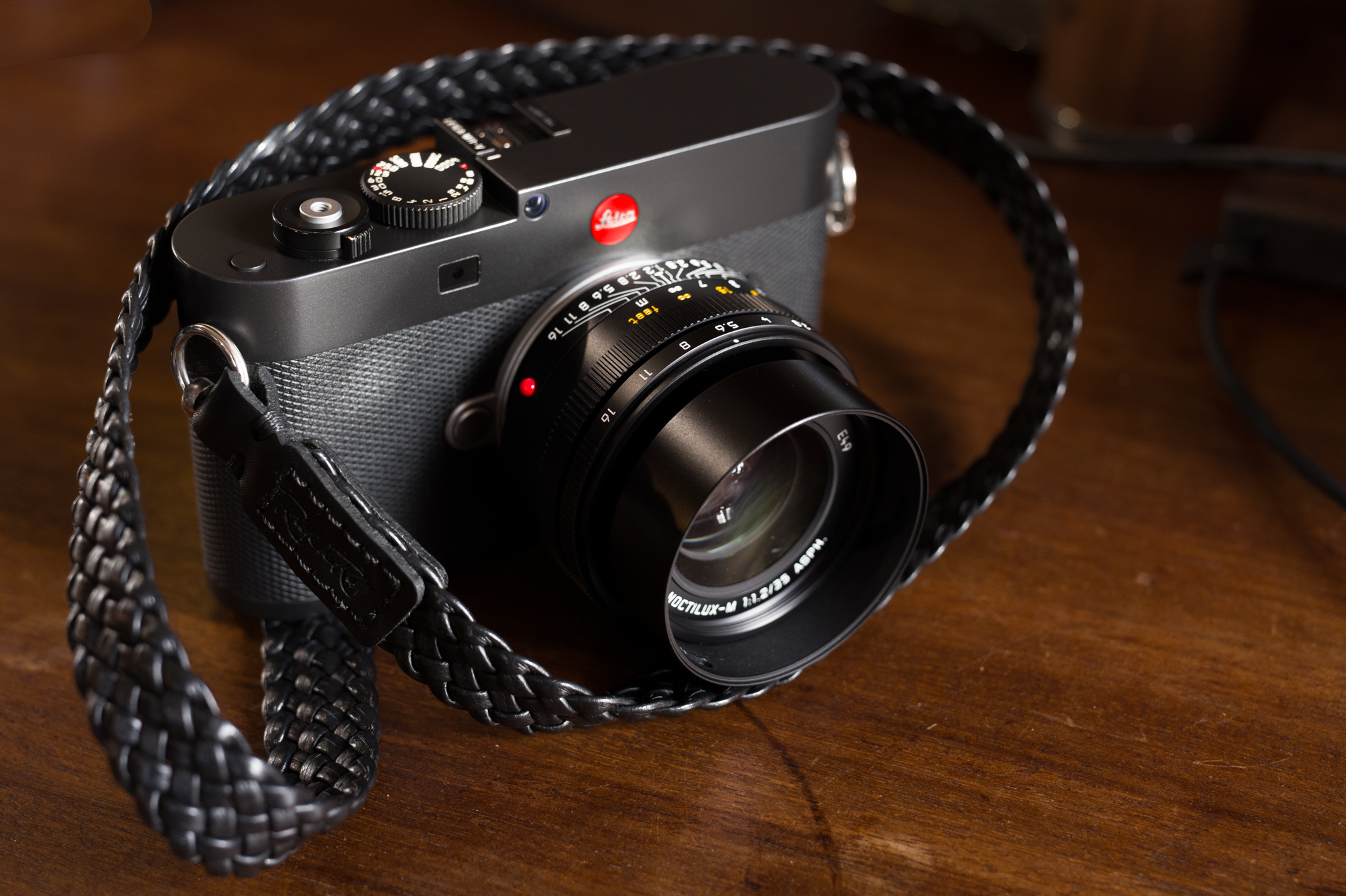
The Noctilux 35 f1.2 on the Leica M EV1
Leica SL3 with 35 APO 1/60 @f5.6 ISO 1000
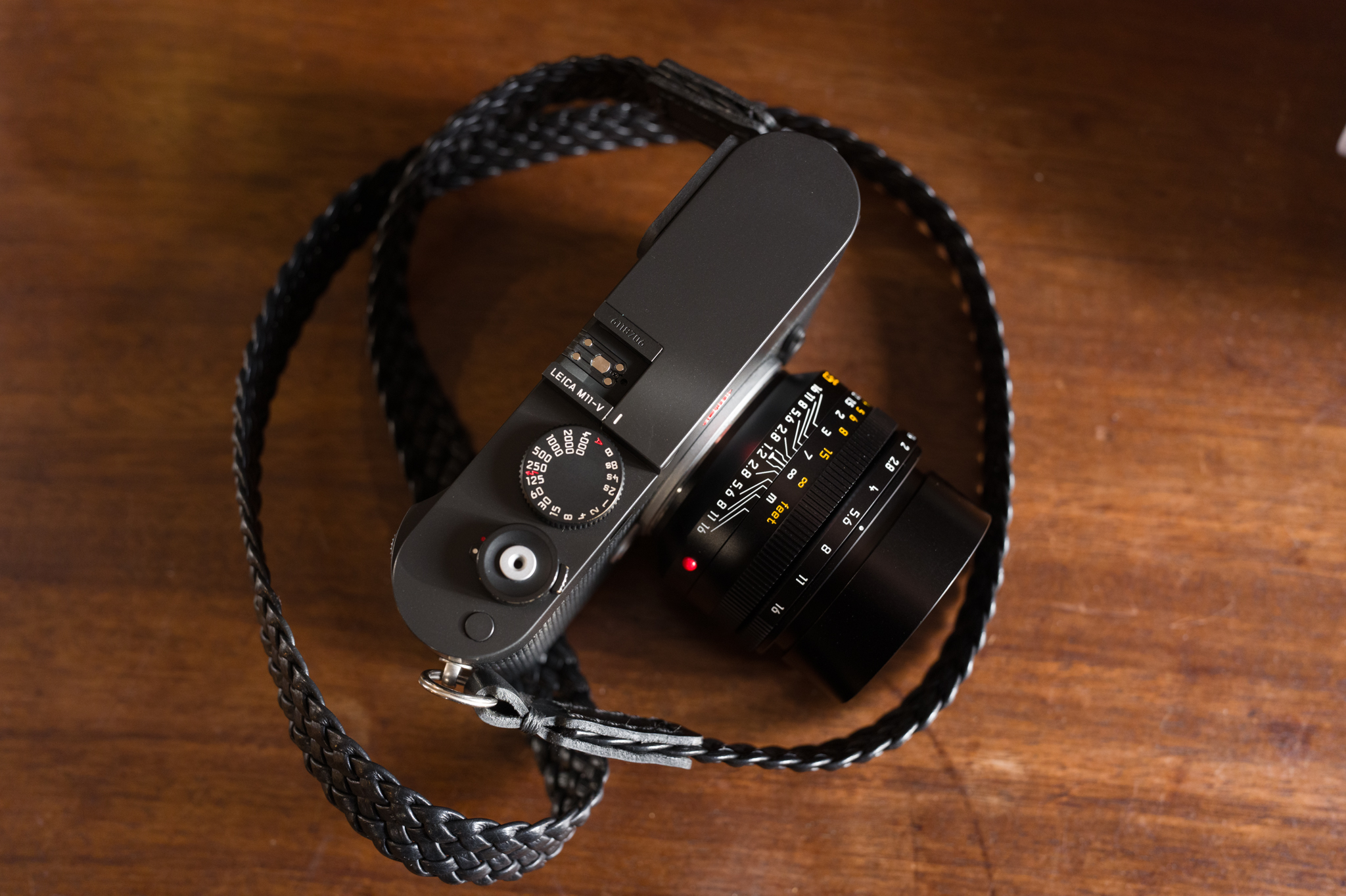
The Noctilux 35 f1.2 on the Leica M EV1
Leica SL3 with 35 APO 1/60 @f5.6 ISO 1000
New technical developments include a revised floating element mechanism to keep consistency through apertures and to insure there is no focus shift, and 3 aspherical elements which are made by a new in-house PGM technique (Precision Glass Moulding).
The mould inserts are made from ultra pure tungsten carbide, which is one of the hardest materials in the world. The elements are pressed at temperatures up to 700 C and with tolerances of no more than 3 nanometers per millimetre of diameter.
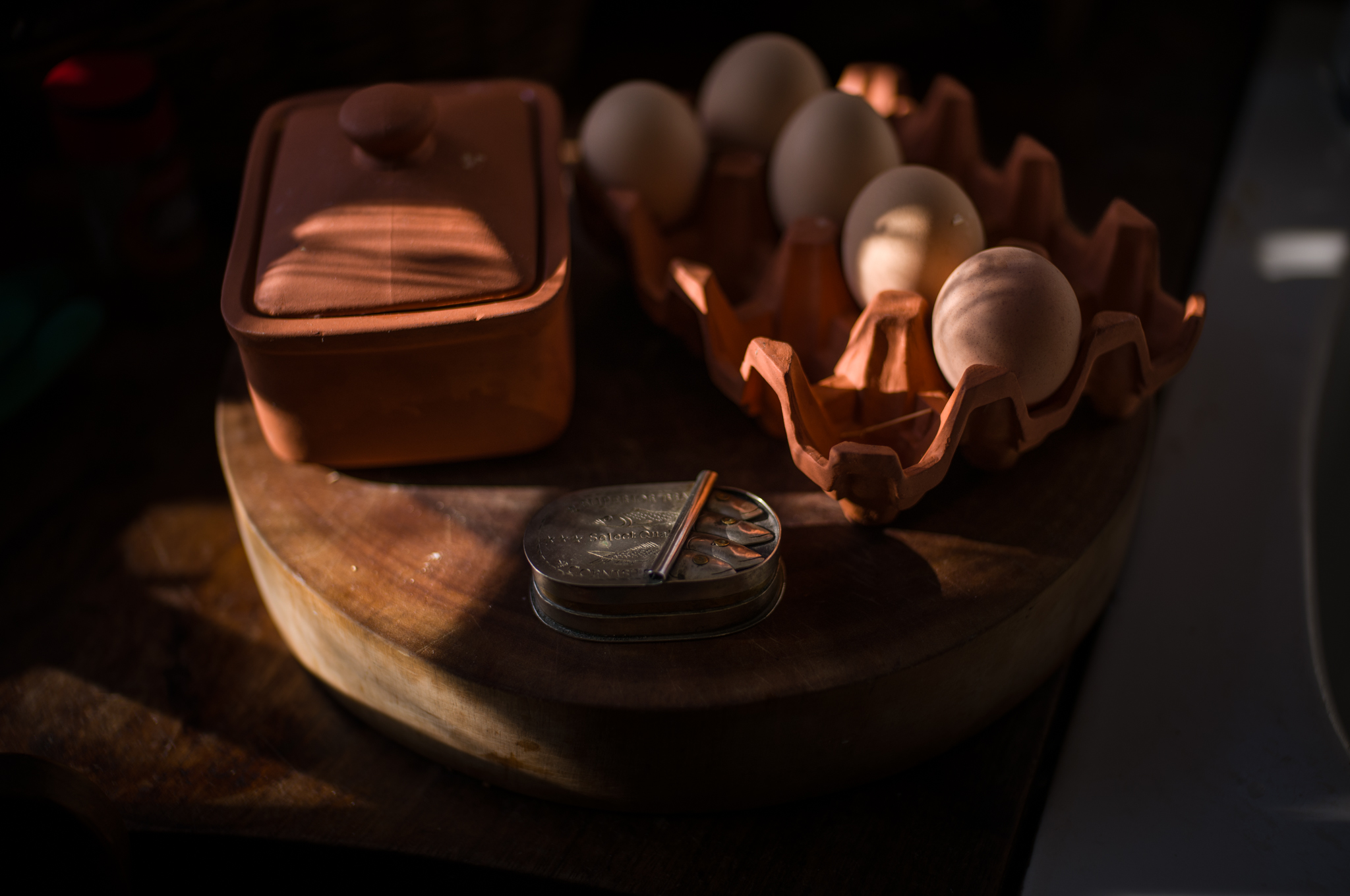
Eggs, butter and Tinned Sardines
Leica M EV 1 1/1250 @f2.8 ISO 64
So, despite being faithful to the dreamy history of the Noctilux lenses, at heart this is a thoroughly modern lens, and the MTF figures certainly bear this out: As Peter Karbe famously said “Stop Down for What”
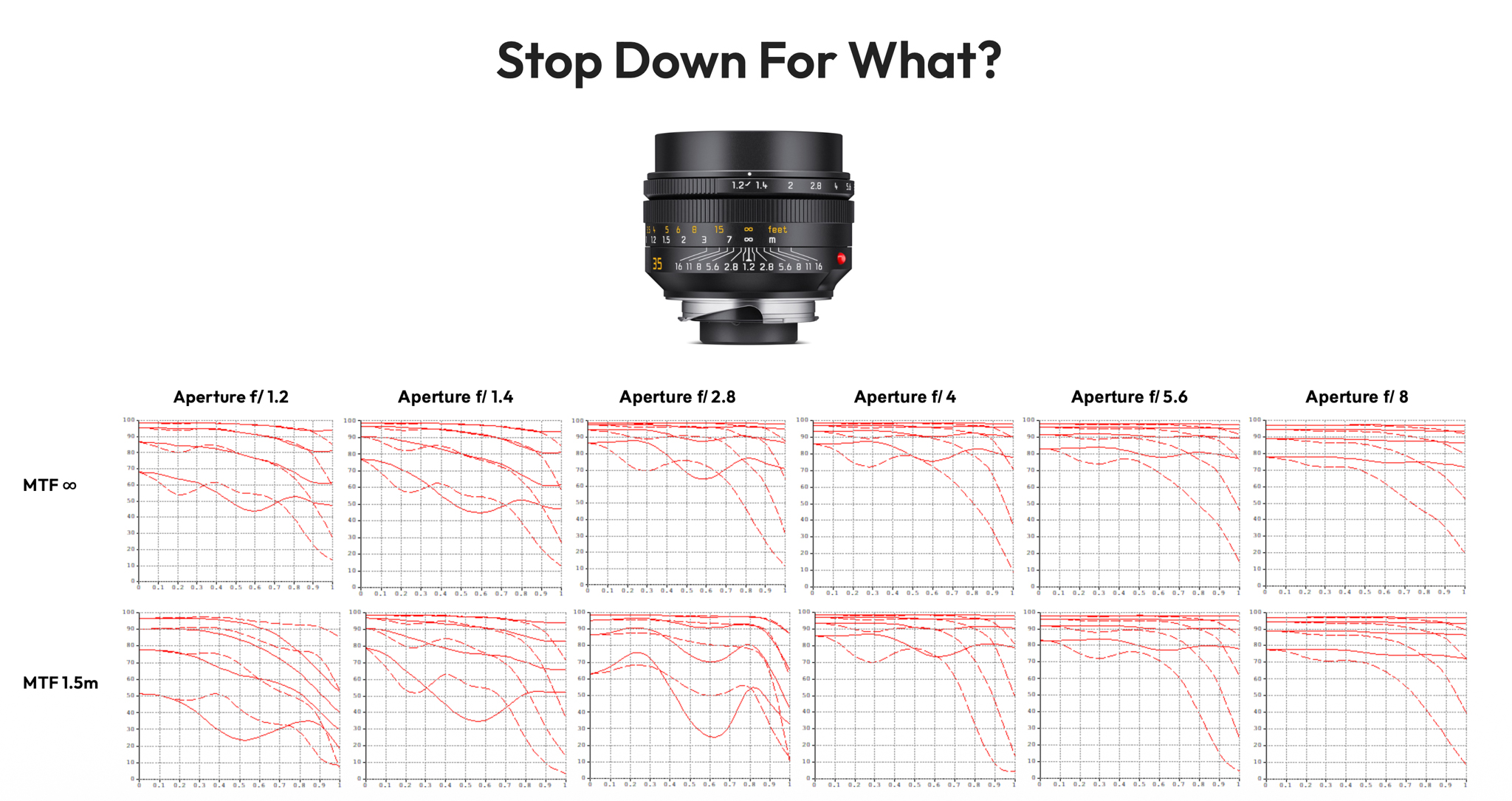
Noctilux 35mm f1.2 MTF figures - courtesy of Leica Camera
The lens feels beautifully made and very solid. Indeed, looking at this cutaway lens you can see that like it’s big brother (the 75 Noctilux) it is mostly made of glass.
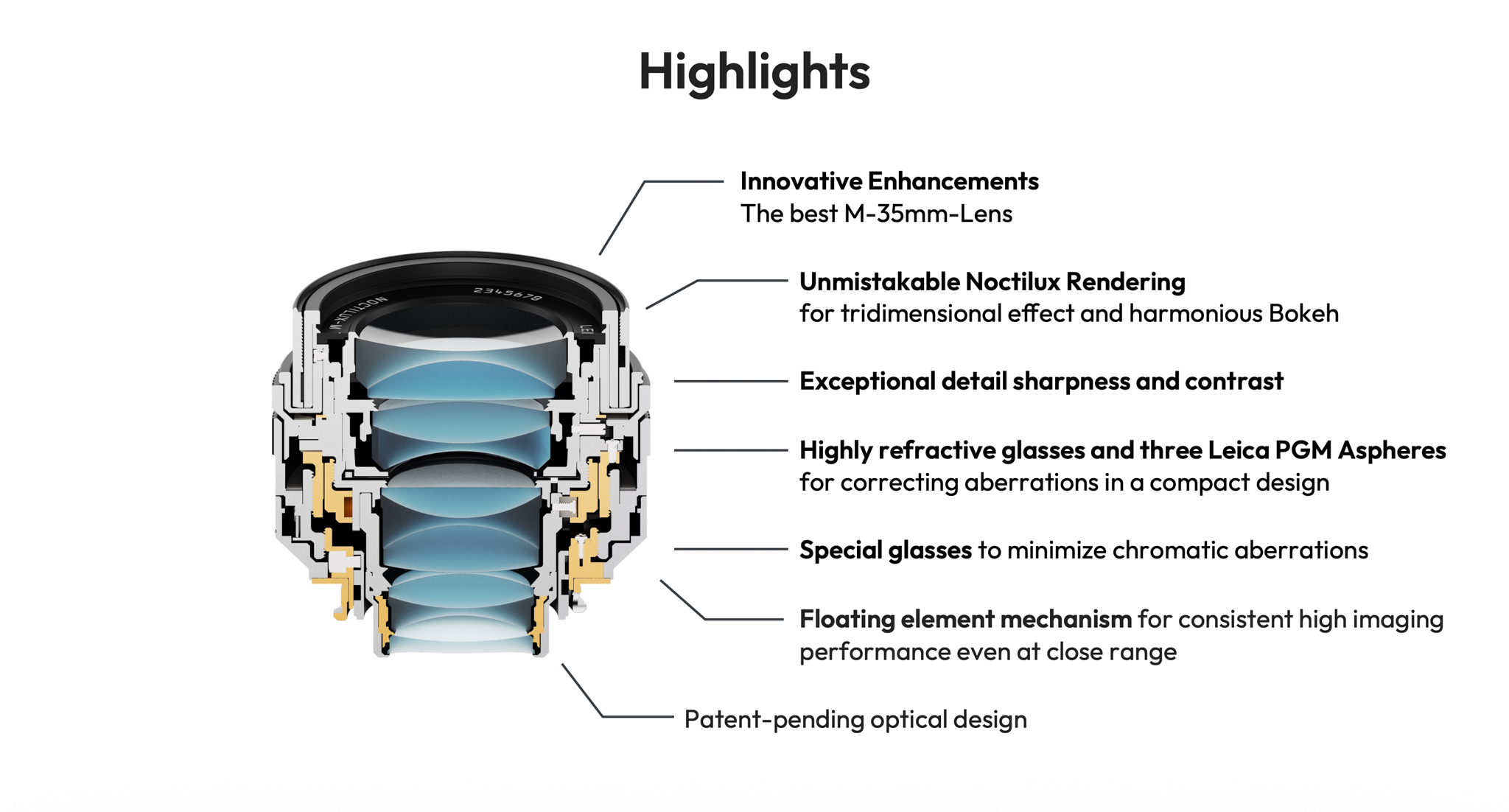
Noctilux 35mm f1.2 cutaway - courtesy of Leica Camera
Although the lens is quite wide, it is also short, so it doesn’t occlude much of the frame when used with a classic rangefinder camera; the compact slide out lens hood is absolutely functional, but also helps to keep the rangefinder clear.
Like many recent M lenses it has a close focus option, and will focus down to 0.5 metres.
Although the focus throw is quite long, and the lens is missing a focus tab, handling is lovely, the aperture ring has definite clicks and no play, and the focusing ring is wonderfully smooth with just the right amount of firmness.
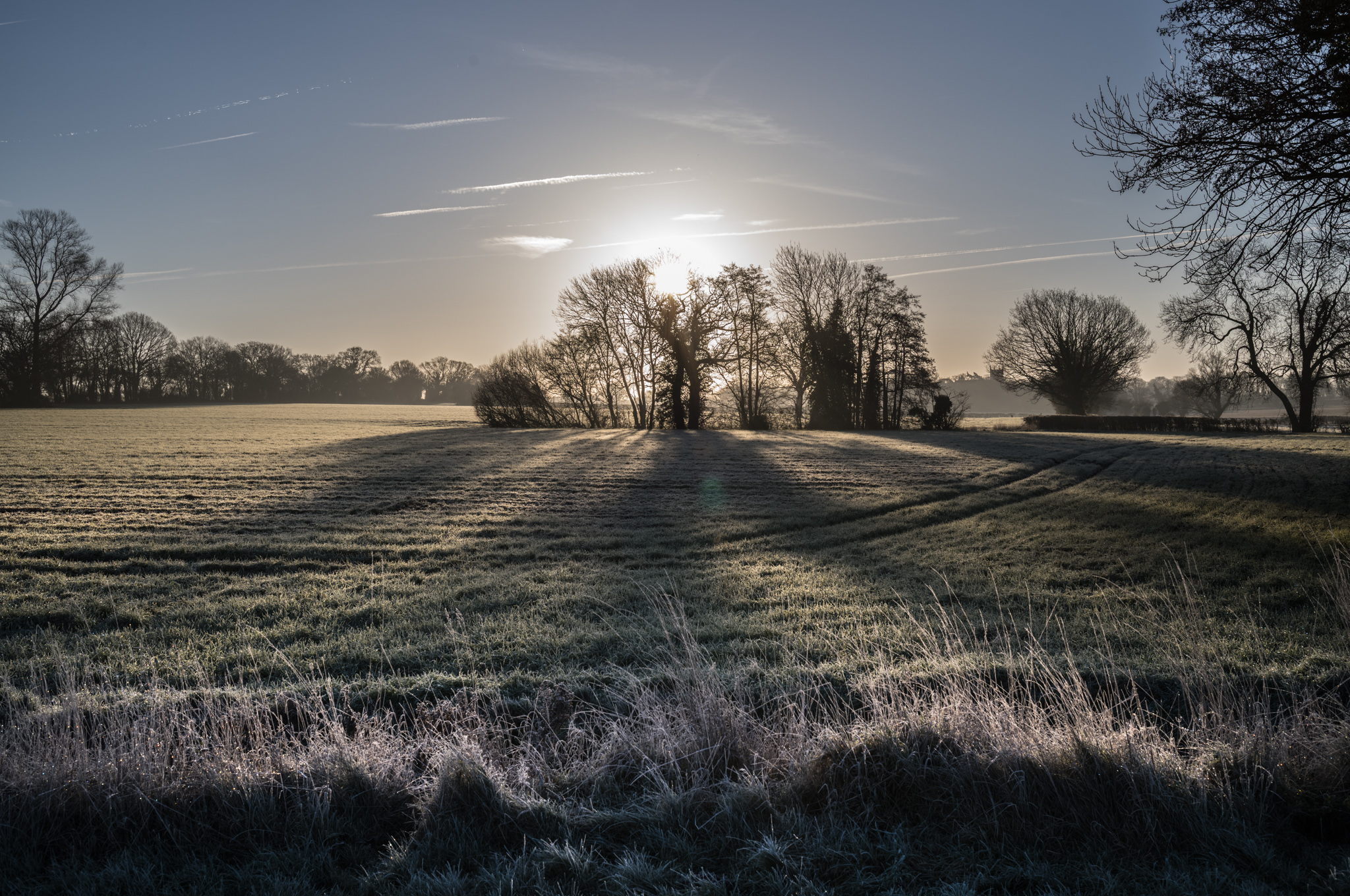
Sunrise
Leica M 11 1/160 @f5.6 ISO 64
Comparisons
Anybody considering buying this lens is going to be thinking about what it has to offer in comparison to the other Noctiluxes. Perhaps even more relevantly in comparison with the other current 35mm options:
I was talking to one photographer about this and he said “Is it worth the extra money for just over 1/3 stop advantage”. I suppose that if that was all there was to it, then it wouldn’t be worth it, but as we will see, that is not the whole story.


Time to make Jam
Leica M EV1 1/6400 Sec @f1.2 ISO 64
Peugeot Pepper
Leica M EV1 1/1000 Sec @f4 ISO 64
Comparisons with the other Noctiluxes
Here is a comparison between the MTF figures of the different Noctilux lenses wide open (and the sizes as well).
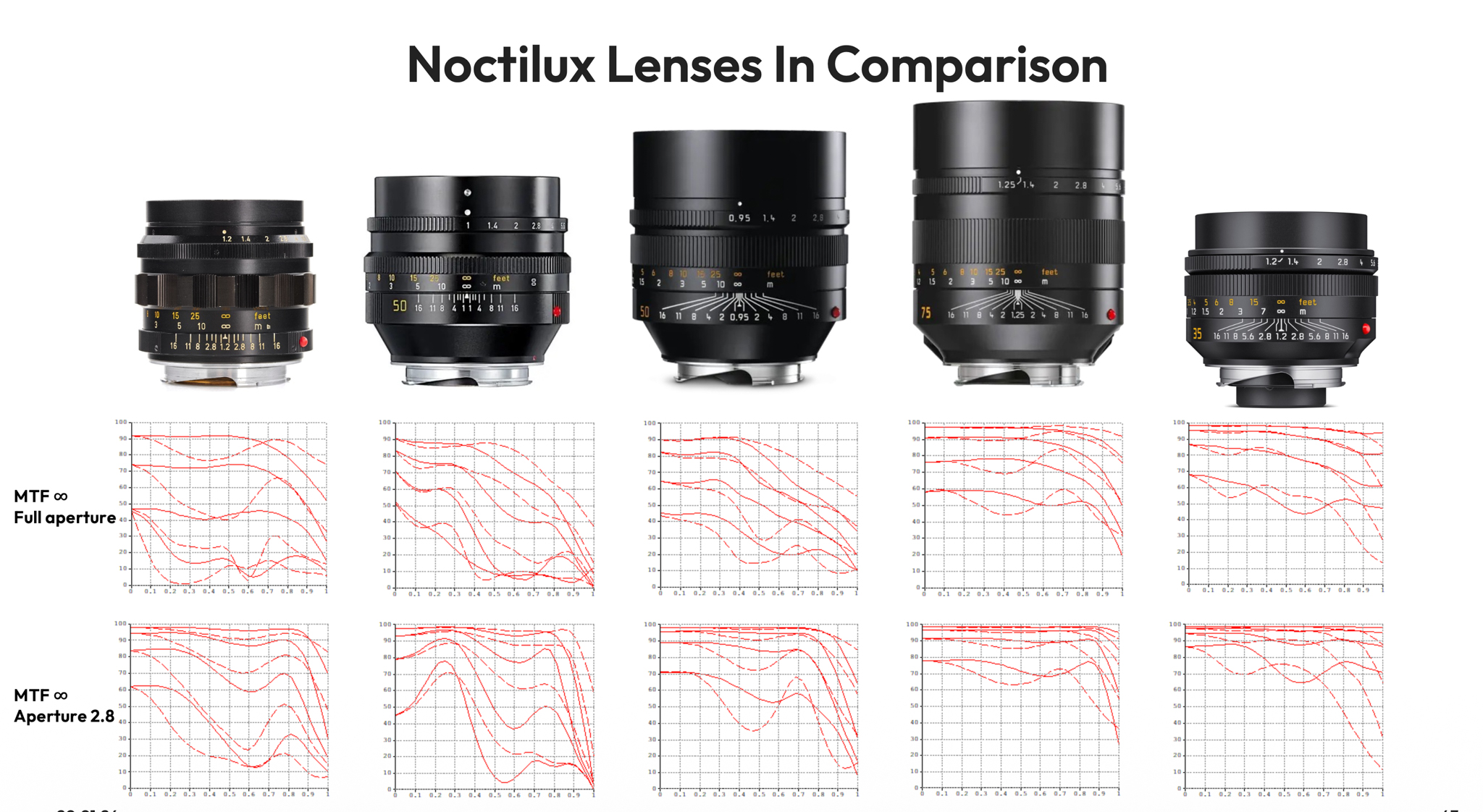
Noctilux lenses MTF comparison - courtesy of Leica Camera
Comparisons with the other 35mm lenses
Particularly interesting is the comparison between the MTF figures of the the three current 35mm lenses:
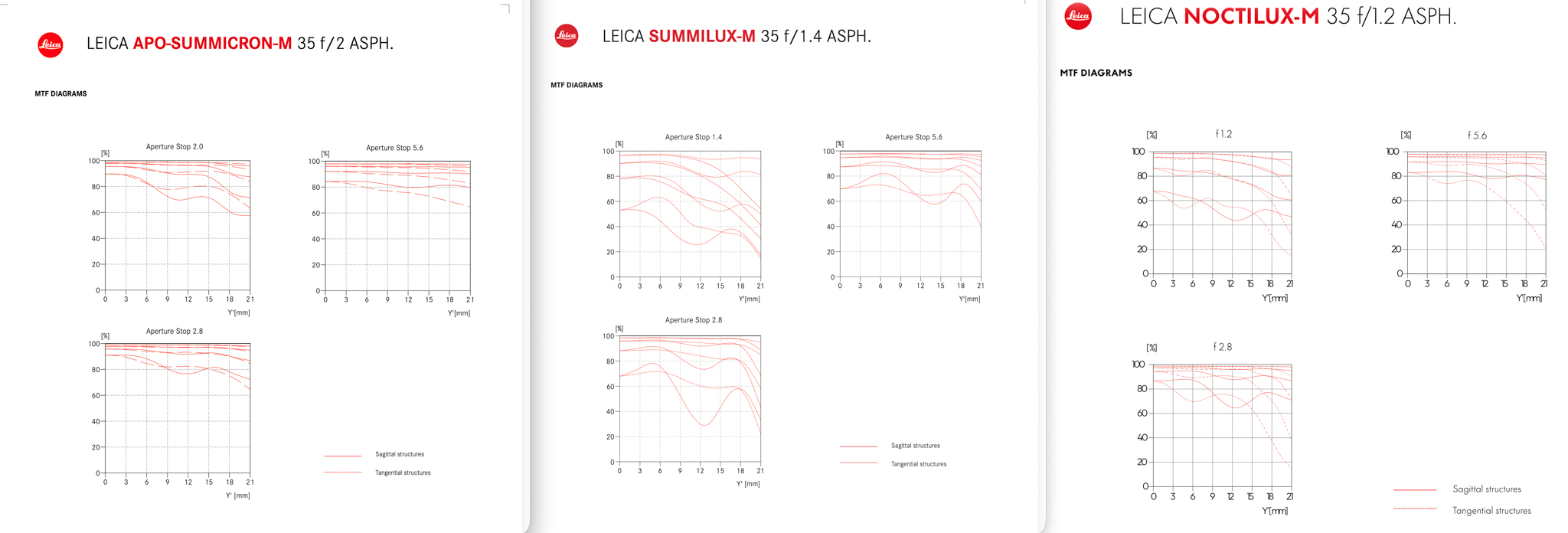
Leica current 35mm lens MTF comparison
We can see that the new Noctilux is clearly better at f1.2 than the current Summilux is at f1.4, and although it isn’t quite a match for the APO Summicron it comes pretty close when stopped down slightly.
Sadly I don’t have a current 35 mm Summilux or I would have done a thorough comparison, but I did spent a long time with it before it’s launch in September 2022 my report is here (
The Leica Summilux 35 2022). But my feeling is that the new lens is both better wide open, and considerably better when stopped down.

Contemplating Bertrand Russell
Leica M EV1 1/6400 @f1.2 ISO 64
The 35mm APO Summicron however is one of my most used lenses, I love it’s calm precision and lovely bokeh, it is better than the Noctilux at f2, but when stopped down to f2.8 they are comparable (except at the corners where the APO shines). However, the APO cannot do the dreamy look that the Noctilux manages wide open.
Of course the Noctilux is bigger than the current Summilux, but not so much!
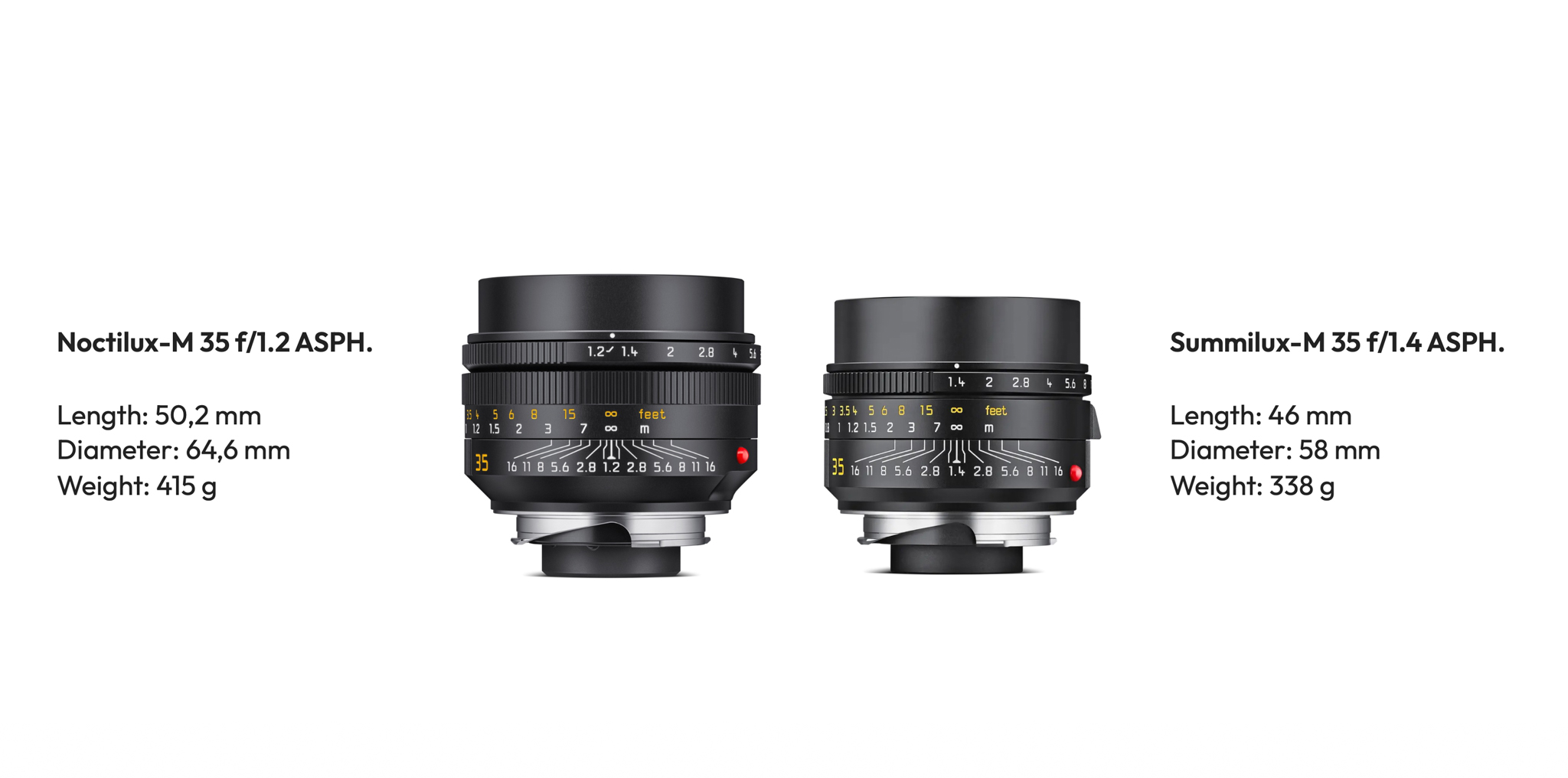
Noctilux lenses MTF comparison - courtesy of Leica Camera
Image Quality
Well, MTF curves aren’t everything! Over the last year I’ve been shooting everything with the lens, from still life to landscape, portraits and urban. I’ve shot it wide open and I’ve stopped it right down.
Like the other Noctiluxes, it is possible to get Chromatic Aberration in very high contrast situations. In addition the lens is slightly prone to flare; vices to which the APO Summicron is less subject (but flare is still possible). Stopping down quickly reduces the problem with CA (it’s almost gone by f2.8).

Spring Gorse
Leica M EV1 1/3000 @ f1.2 ISO 64
Wide open it is every bit a Noctilux, with dreamy bokeh, but also with excellent detail where it’s in focus.
Stop down a little and the detail is incredible - it doesn’t feel ‘crunchy’, but simply excellent precise detail (indeed, very reminiscent of the APO Summicron).
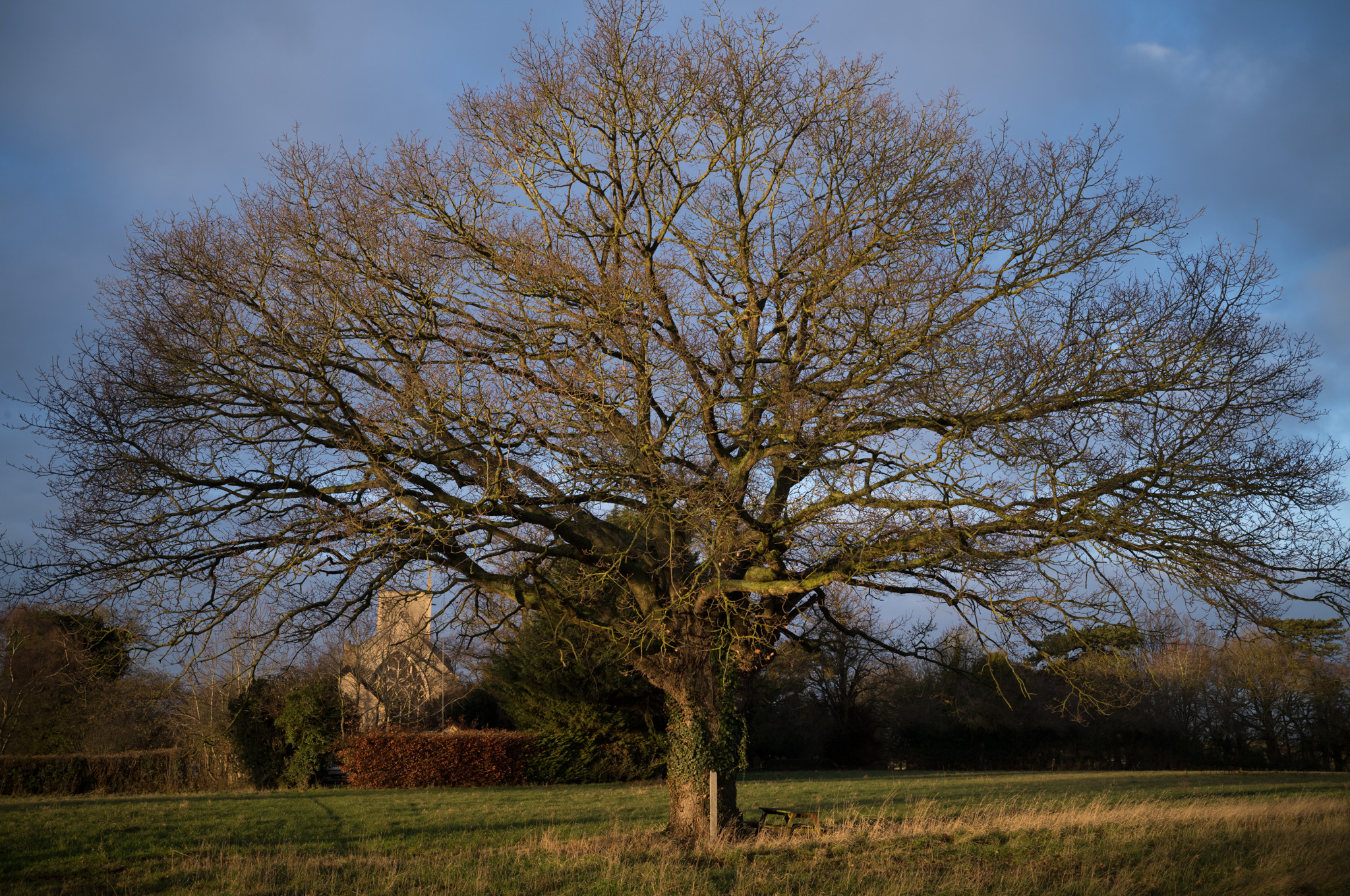
Tree and Church at first light
Leica M 11 1/250 @ f8 ISO 500
Which Camera
I’ve shot the new Noctilux with the M11, the M EV1, the SL3 and the M9. There is an argument for using the cameras with an EVF when shooting wide open, especially using the close focus range. However I’ve found the focusing extremely good using a traditional rangefinder: Leica have improved the floating element, and I couldn’t detect any focus shift. Of course you need to use the display on the back of the camera (or the Visoflex) if you want to focus closer than 0.7m.
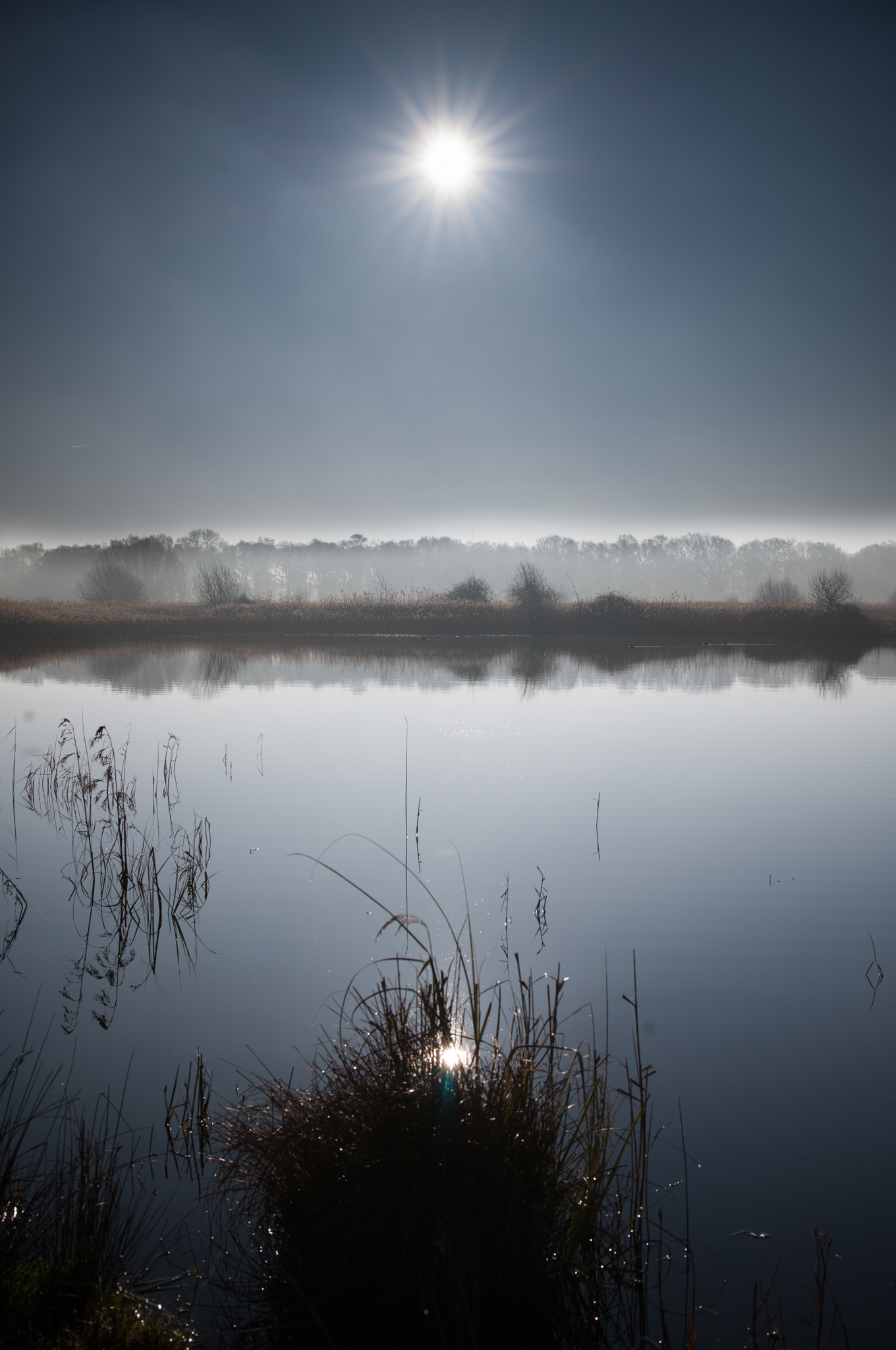

Winter Morning at Dead Swan Lake
Leica M EV1 1/1250 Sec @f8 ISO 64
Spring Posy
Leica M 11-D 1/640 @f1.2 ISO 64
On the other hand I’ve had a lot of fun shooting with the SL3 and the EV1. It might have been good to to release this lens together with the EV1, and whilst I wouldn’t suggest buying an M EV1 just for this lens, they do go together extremely well. It’s perhaps worth mentioning that I was equivocal about actually buying an M EV1, but this lens was probably what pushed me over the edge.
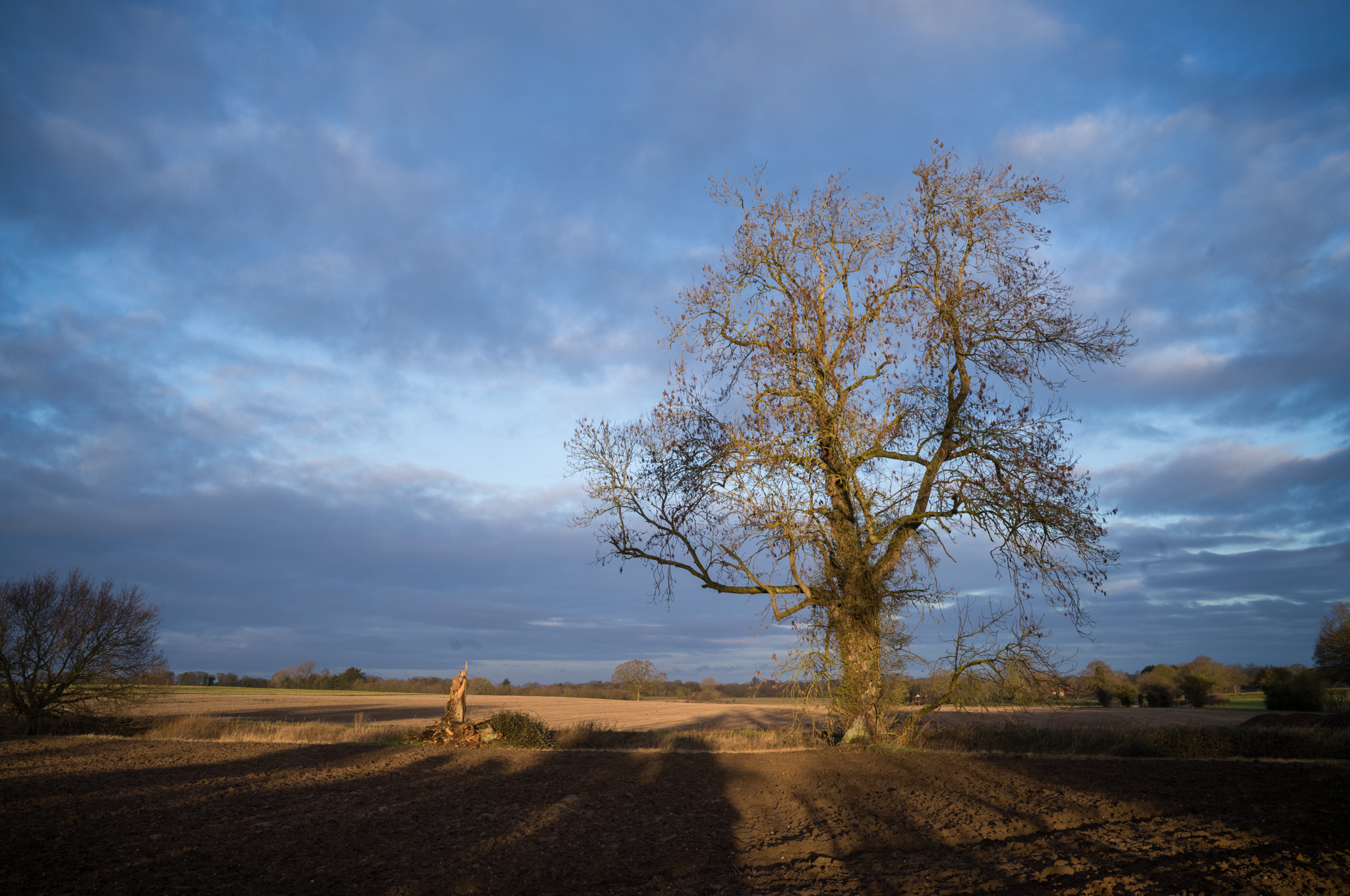
Sitting around waiting to die (we are losing our Ash Trees one by one)
Leica M11 1/320 @ f6.8 ISO 200
Conclusion
I was talking with an American photographer friend and he said that under normal circumstances he went shooting with an M body, the 35 APO Summicron, the remake of the Noctilux 50 f1.2 and the 75mm APO Summicron. This setup has, coincidentally (or not) been my favourite setup for the last couple of years. It gives you absolute precision and detail, the dreamy Noctilux option and (to my mind) the perfect portrait lens, all in 3 small and easily managed lenses.

welldoneboris (No Working During Drinking Hours)
Leica M 11 1/40 @ f8 ISO 12500
The 50 and 75 Noctiluxes, brilliant as they are, are speciality lenses, and are too heavy to carry around with you just on the off-chance you might need them. If the 35mm Noctilux had been f0.95 then it too would be a specialist lens (and at a specialist price as well). Leica’s decision to sacrifice aperture bragging rights in favour of usability must have been a difficult one, but to my mind it has paid off magnificently.

Dignity
Leica M EV1 1/1250 @ f1.2 ISO 64
Not only is the 35mm Noctilux f1.2 a worthy new member of the select band of Noctilux lenses, it is also an eminently useable ‘do anything’ lens which could arguably replace our trinity of the 35 APO, the 50 f1.2 and the 75 APO, especially with the 60mp sensors of the M11 and the M EV1. It is equally capable of dreamy still life, sparkling landscapes and characterful portraits, it would also be a fine lens for street photography, reportage and documentary. One lens to rule them all!

Apples and Daffodils
Leica M EV1 1/8000 @ f2.8 ISO 64
Acknowledgements
Thank you to:
Christoph Mueller at Leica for all his help and support in writing this article and supplying the MTF slides (where credited). Also to Stefan Daniel for his continued support.
Thank you also to Peter Karbe, who has helped with detailed technical information about the new Noctilux.
Rock n Roll straps for the lovely Black Milan strap in the camera porn.
Thanks also to Elmar Streyl who is always good to talk to, and who always has great ideas - do read his article at the Leica User Forum.
Sean Reid at
Reid Reviews has also published one of his excellent articles about the 35 Noctilux
Finally, and always, to Emma, who puts up with my spending time taking photos and writing!
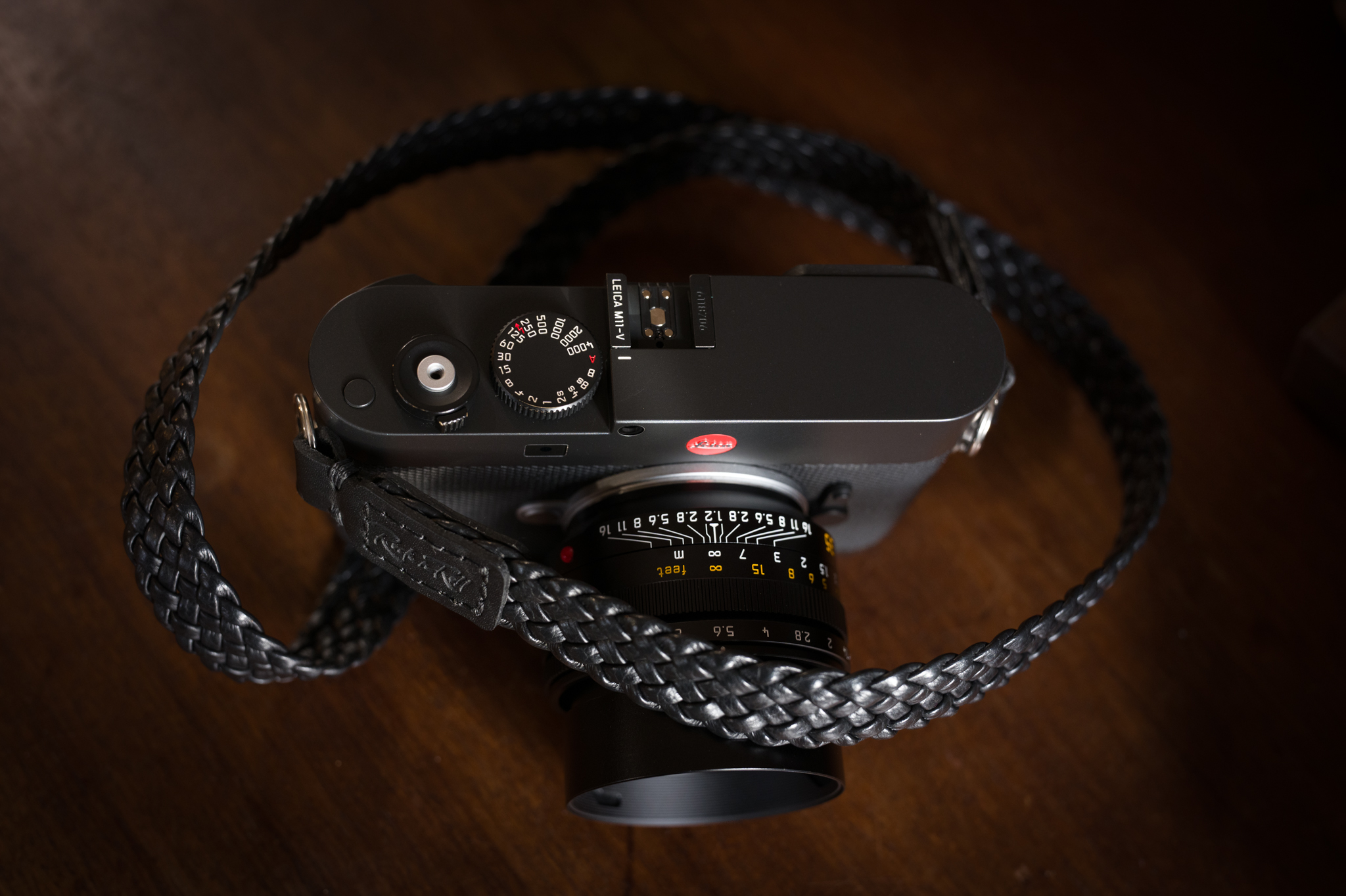
Camera Porn - strap by Eyries and Rock 'n Roll Straps
Leica SL3 with 35 APO 1/60 @f5.6 ISO 1000

Who are You Looking At?
Leica M EV1 1/16000 @ f1.2 ISO 64

Dreaming of High Summer
Leica M EV1 1/2000 @ f1.2 ISO 64
Jonathan Slack has been testing cameras for Leica since 2009, he has also been writing about them, and all the old articles can still be found on this website (maybe an index is coming!).
Jonathan Slack's duty of care is to Leica, and whilst he would never omit something he considered important, nor say anything he didn't consider to be true, it is worth remembering this when reading these articles.
There are no adverts, no click bait and nobody (Leica or anyone else) pays for these articles to be written. This is in an attempt to remain objective and not to be distracted by the hunt for clicks.
Jonathan Slack is also a member of the board of LSI (Leica Society International).
Click on the Leica Society logo below to look at the Leica Society International website where you can find a huge resource of Leica material and join the society to learn more about Leica and photography and to meet up with like minded people.

