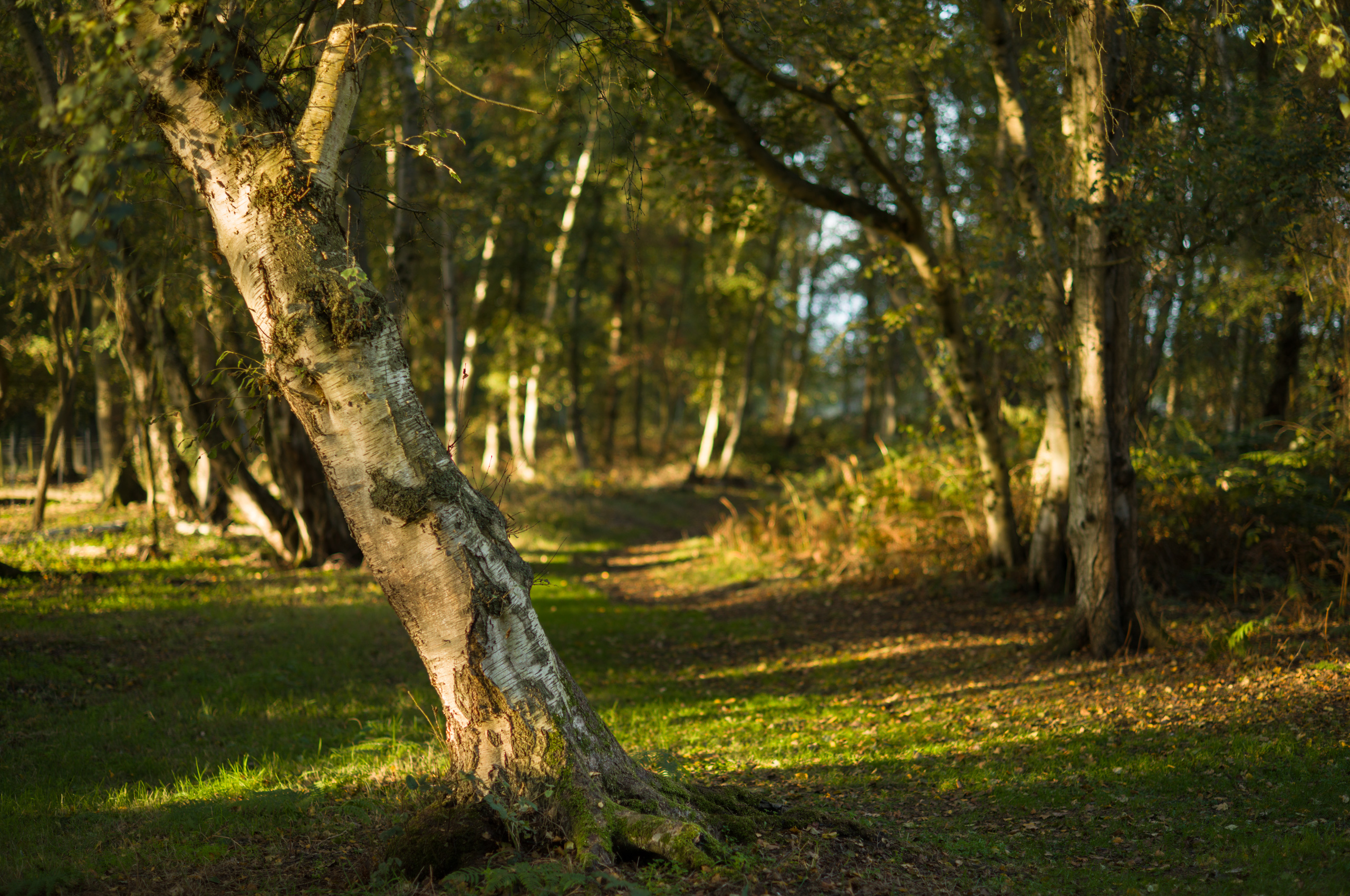
Leica Summicron-M 1:2/66
The Classic Elcan Remake
Jonathan Slack
October 17th 2026
The Old Silver Birch
Introduction
On September 3rd Leica announced the latest in their range of classic remakes. This lens was a little different however. Whereas most of the previous classic lenses went into serial production, this lens was limited to 660 numbered pieces. Leica have received orders for more than the number they will make, so unless you’re very lucky, or you are willing to pay a premium, you will not be able to own one. . . . So, why write about it (you might ask).
First of all, a few people have asked me if I would write an article, which has sent me down a rabbit hole reading about the original lens. It really is quite shrouded in mystery.
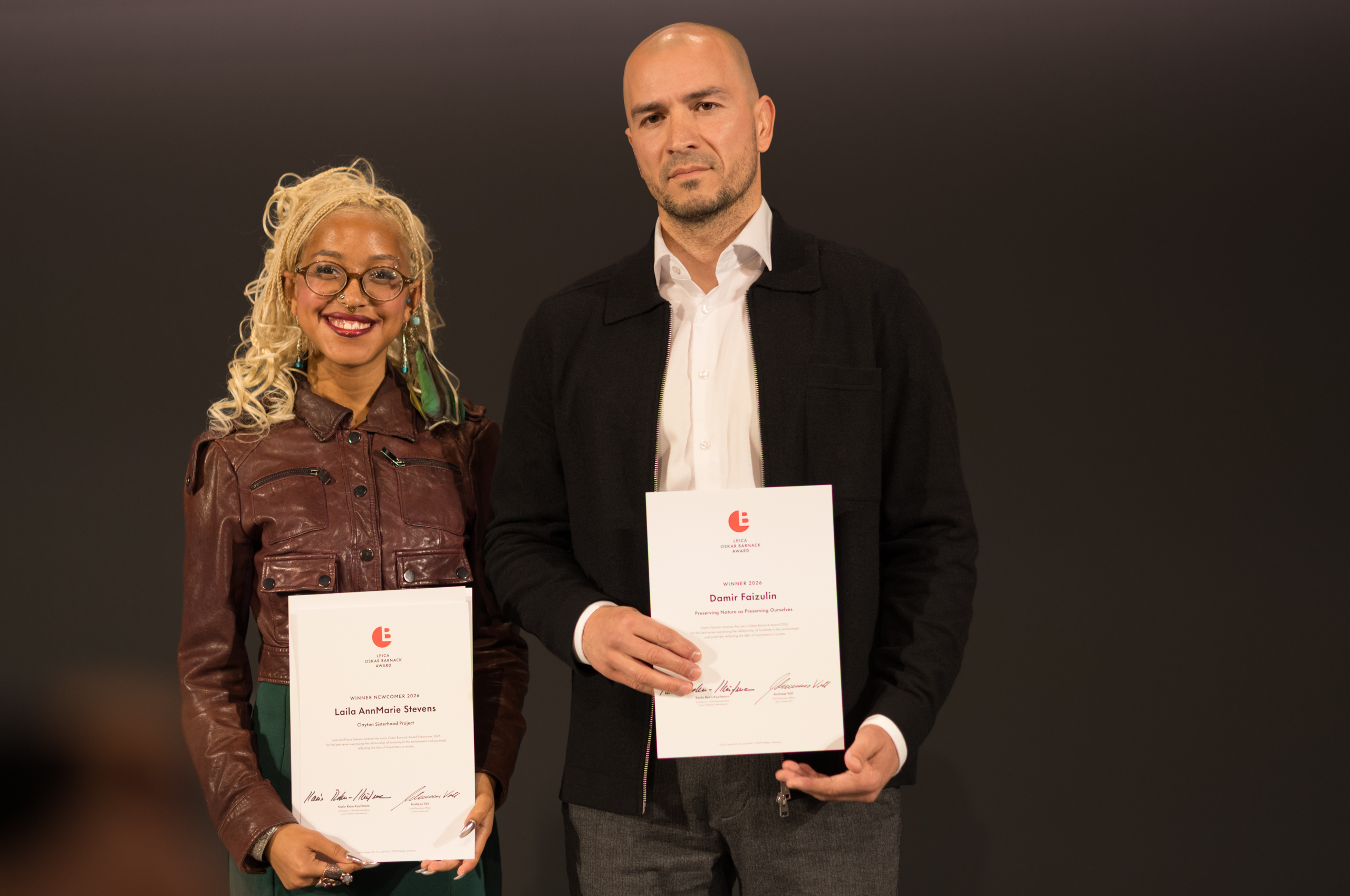
The Oscar Barnack Award Winners 2026
My usual resource for this sort of information would be Jim Lager’s excellent book, and indeed he does have an image of what is probably the first lens (183-001) and a more ‘recent’ lens (283-00003). The excellent ‘Little Red Book’ doesn’t have a meaningful reference. Summichronica (the website) seems to have serial numbers of about 14 lenses which have been sold at auction over the last few years. But information is pretty scant.
Then, searching through the LSI Viewfinder back editions I found a magnificent article by Rolf Fricke from volume 42/3 in the autumn of 2009. It was an exciting issue which also had a report on the new M9 by David Farkas (I published my article on the M9 at about the same time).
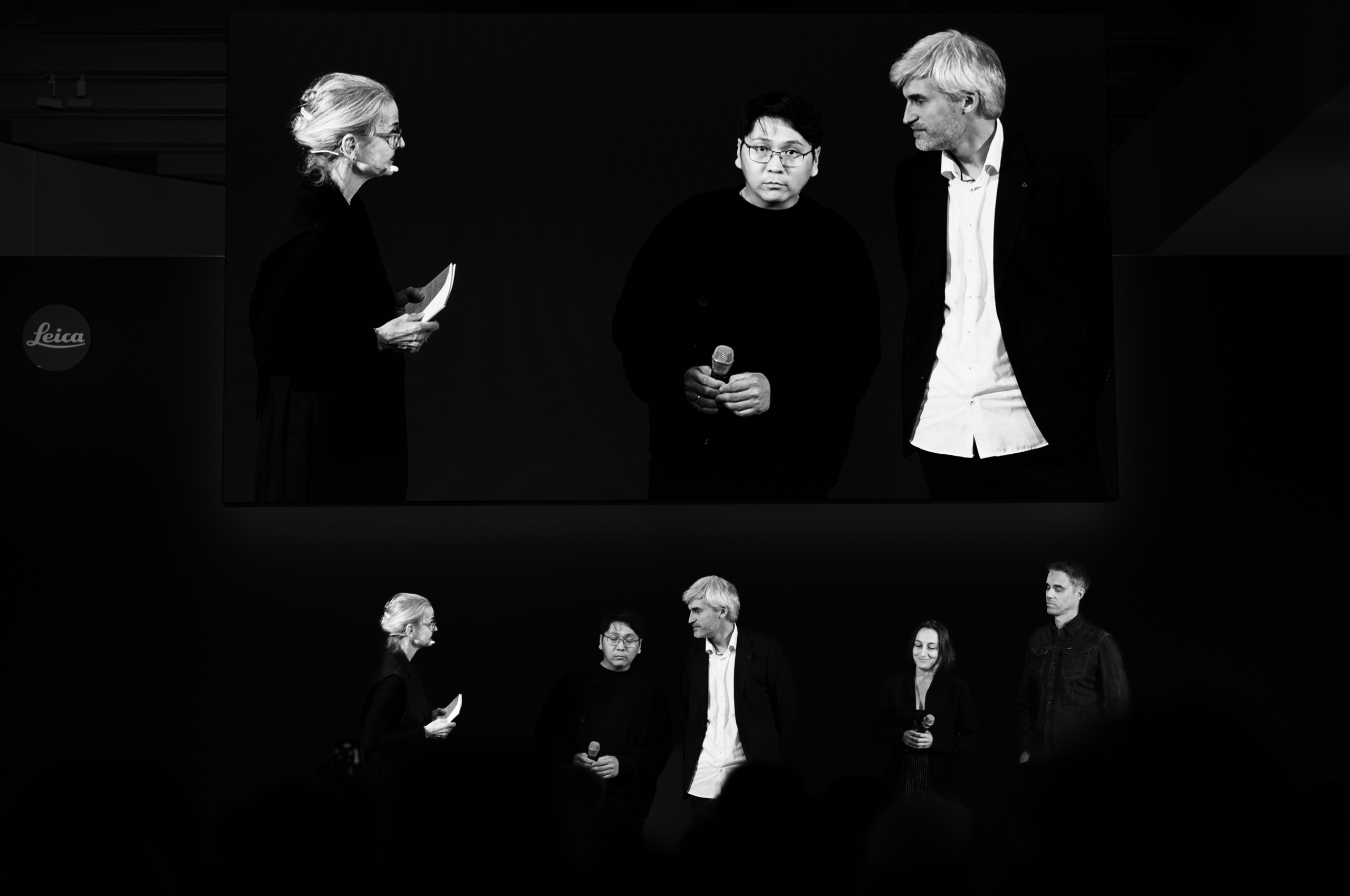
The Oscar Barnack Award Runners Up with Karin Rehn-Kaufmann 2026
The article by Rolf Fricke is called ‘An Optical Odyssey’ . Unfortunately I never had the pleasure of meeting Rolf. He was an avid Leica supporter and owned one of the largest collections of Leica equipment. In the real world he was a marketing director of Eastman Kodak in Rochester NY. His collection is now part of the Leica Archive in Wetzlar. Including the 66mm f2 Elcan. You can look at the full article in the Viewfinder Archive on the LSI Website (if you are a member!).
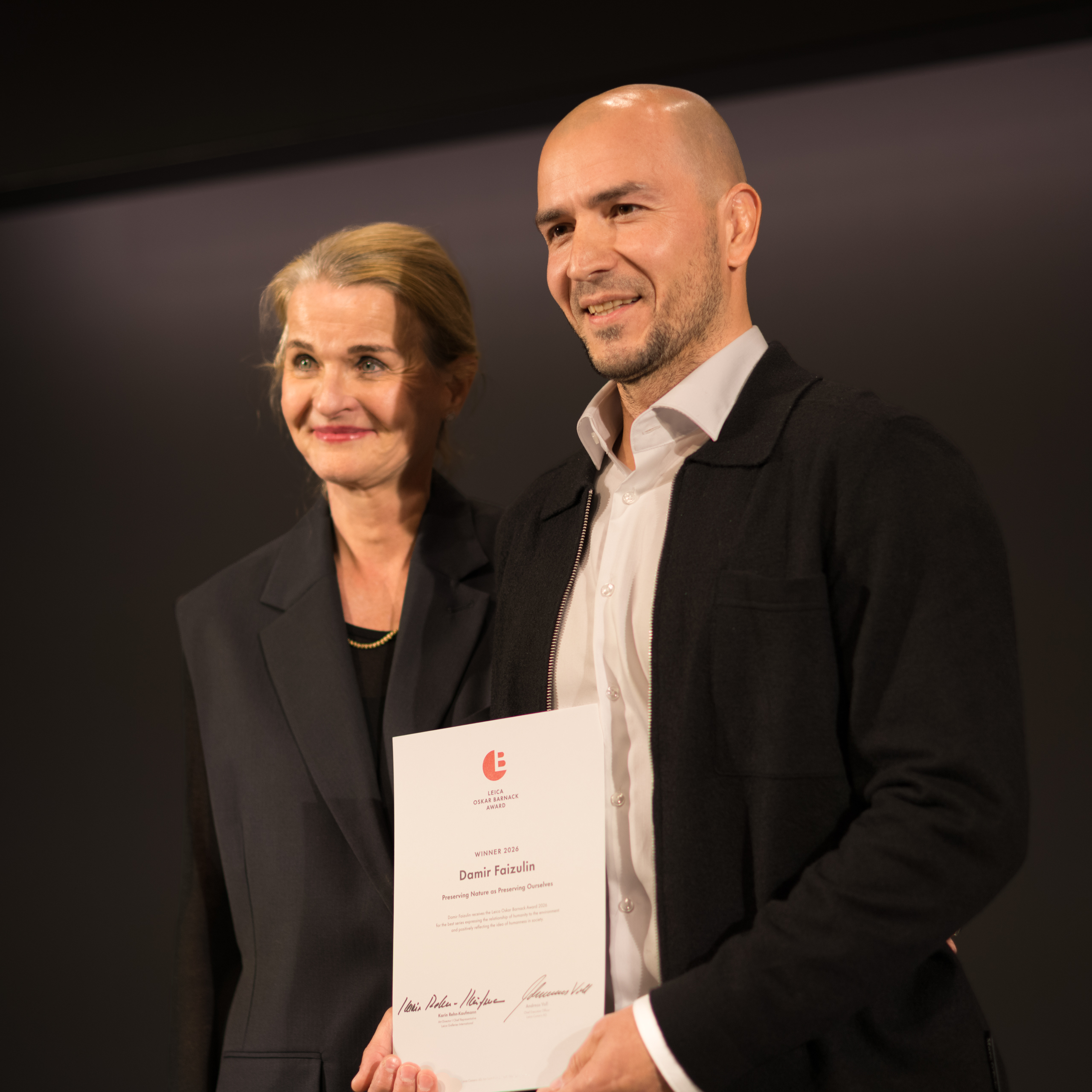
The Oscar Barnack Award Winner with Karin Rehn-Kaufmann 2026
Rolf Fricke's Story
In the late 1960s, whilst studying lens design under Dr. Rudolf Kinslake at the Institute of Optics of the University of Rochester (NY). Rolf Fricke spent his summer vacations with his family (3 boys) in a lakefront cottage on Georgian Bay. This was near Midland and Fricke had already become friends with Walter Mandler who designed lenses at Ernst Leitz Canada Ltd.
Whilst on vacation they would visit each other’s families, and in the summer of 1970 on one of his visits to their cottage Walter Mandler brought a prototype of a lens that he had designed for the US Navy
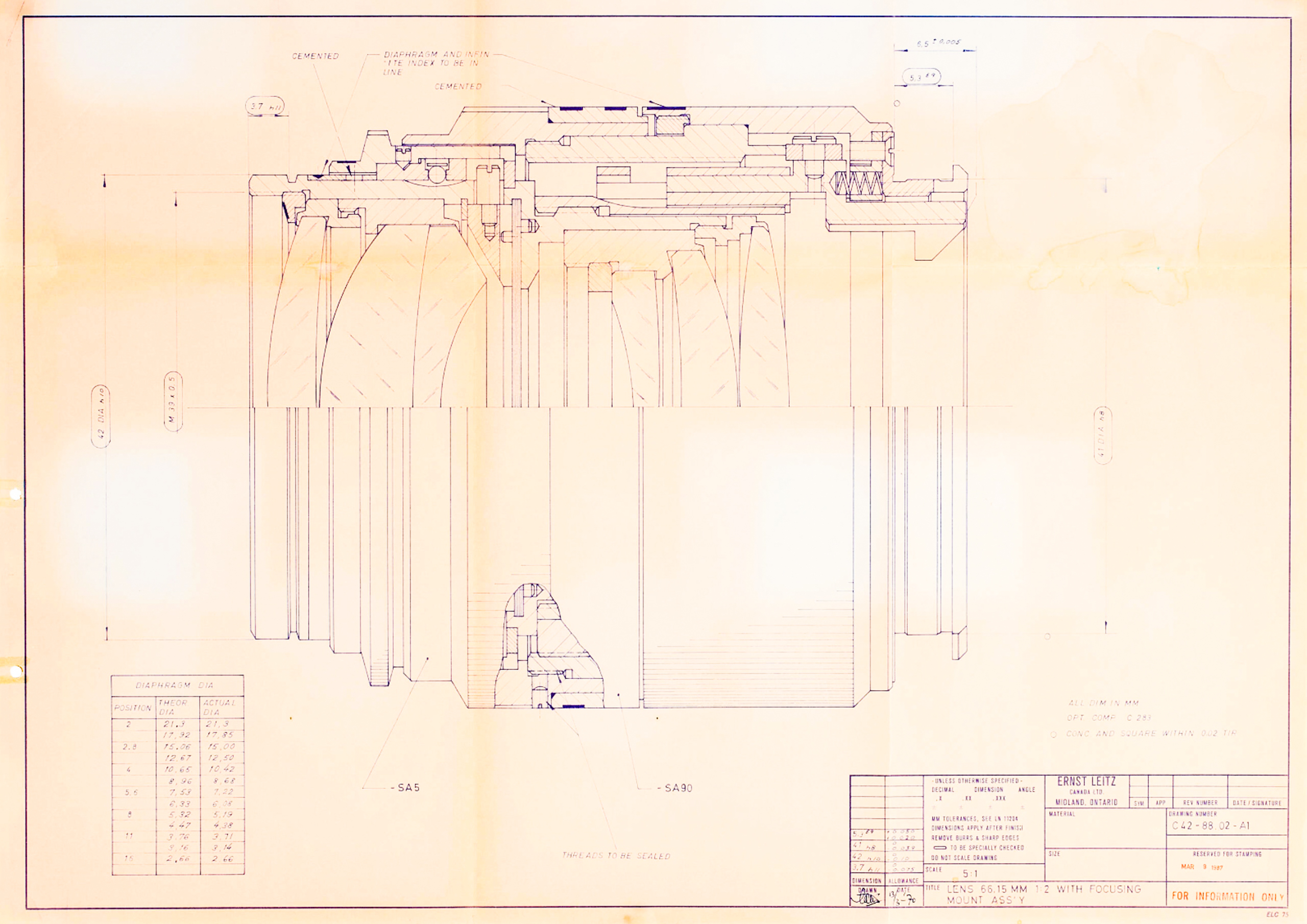
The Blueprint for the Elcan 66mm
Knowing of Fricke’s interest in optics Mandler wanted to show him a special application of a Gauss type design. The lens was a 66mm f2 Elcan lens. It’s purpose was to be small but of extremely high optical quality, so that Navy intelligence officers could act like a tourist using a normal M camera, taking pictures of installations and ships whilst remaining inconspicuous. The images could later be greatly enlarged to look at important details.
Almost 20 years later in 1989 (?) at Kodak headquarters in Rochester Rolf Fricke was in the dinner queue; next in line was Bryan C White, who struck up a conversation “Rolf I hear that you are a Leica fan”. Bryan explained that he had been a Lt in the US Navy serving as a Public Affairs officer on the missile cruiser Little Rock in the 1970s and that amongst other cameras there was a dark brown Leica leather case with a Leica M4 and an f2/35, an f2/50 an f2/66 and an f2.8 90, together with red, orange and green filters. Fricke was obviously gripped by mention of the 66 f2 he had seen with Walter Mandler so many years before.
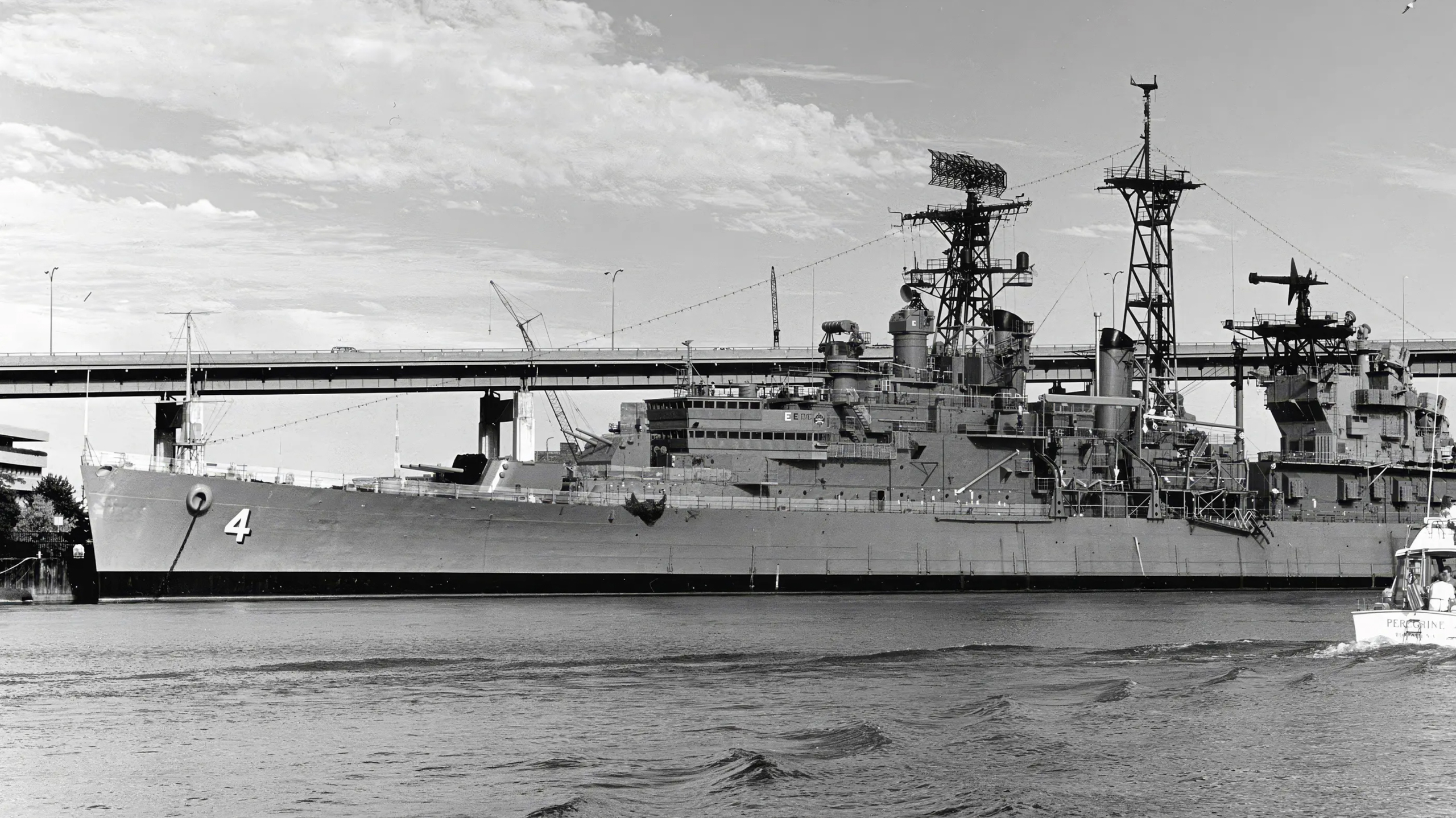
The Little Rock - Photograph by Rolf Fricke with the Elcan 66
Bryan White had sailed on her with it 20 years before.
Bryan explained that in February 1976 the Little Rock had paid a visit to Alexandria and one of his photographic mates had taken the M4 with the 50mm lens ashore to record his impressions. It was stolen!
The sailor reported the theft to Lt White and he requested a replacement from the captain. But the captain declined, explaining that the system didn’t provide for partial replacements and that it was much more straightforward to order a complete set.
So operations officer Commander Robert Dennis requested that White should take the incomplete kit to the fantail and throw it overboard! White removed the lenses, added ballast to the bag, and whilst ensuring he was being watched he threw the bag overboard.
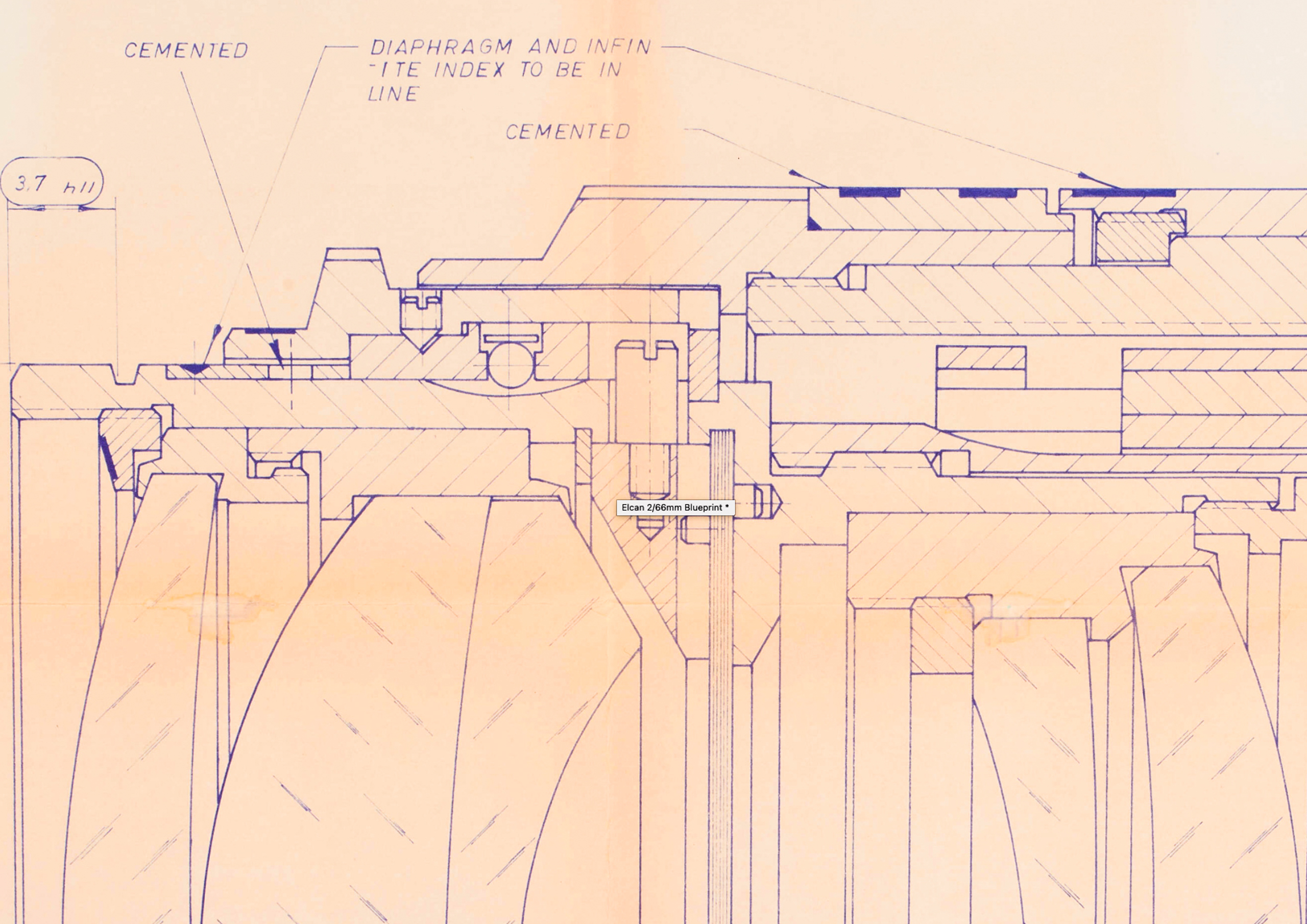
Detail of Blueprint
Lt White was discharged in September 1977 and acquired a Minolta CLE camera and used it with the rescued lenses to shoot weddings. Later he joined the Professional Photography Division at Kodak, where he met Rolf Fricke in 1989 in the dinner queue!
Rolf Fricke explained to White why the lens meant so much to him and they agreed that White would exchange it for an extra Minolta CLE body to help him with his wedding shoots. Fricke contacted friends at Minolta to try and get hold of a Minolta CLE body, but the CLE had already been discontinued. It seems Fricke had friends in high places as Ichiro Yoshiyama, head of Minolta R&D in Osaka graciously had one assembled from spare parts.
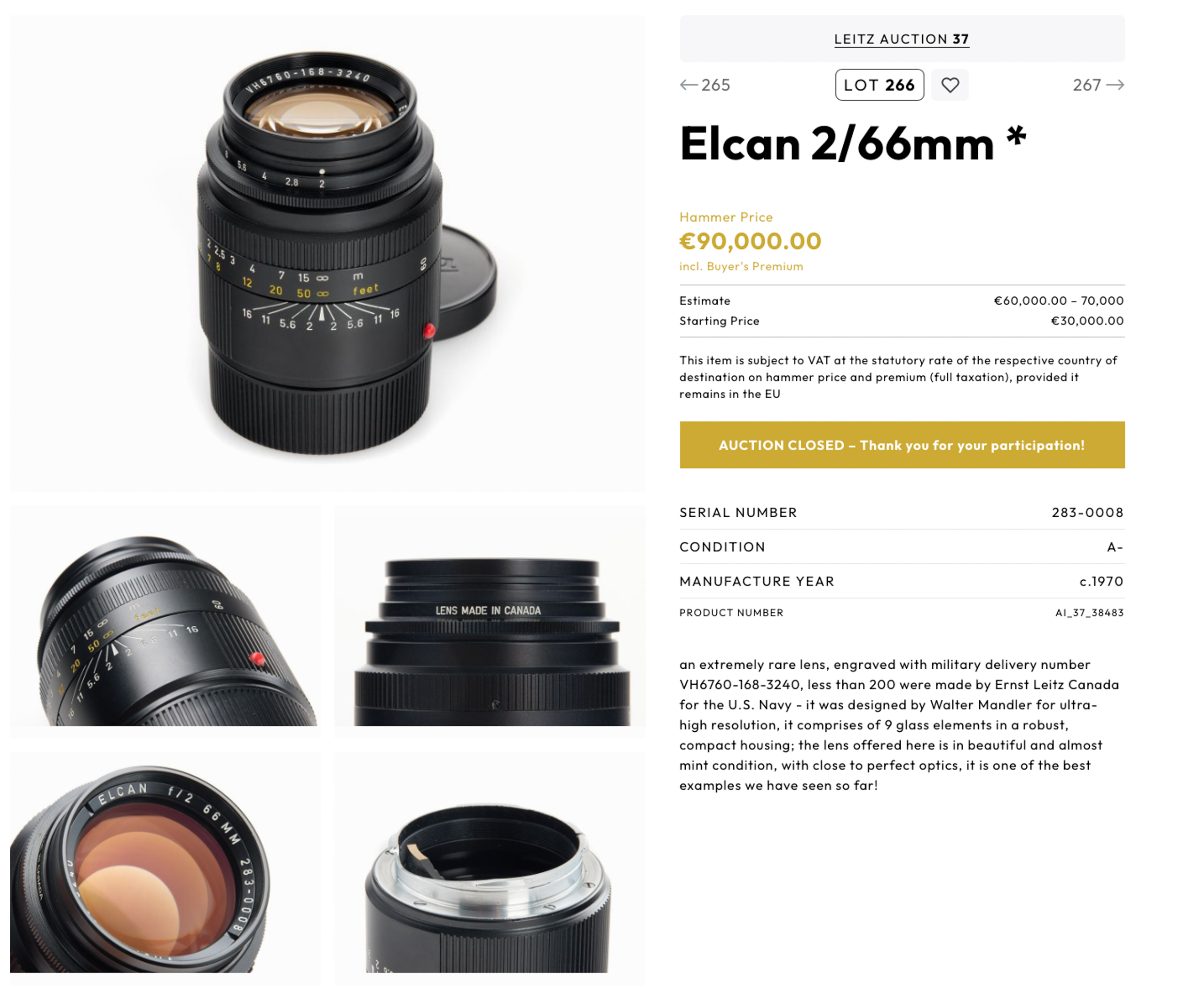
A recent Leitz auction result
At the time. Both parties were happy, although perhaps in hindsight it was Rolf Fricke who got the better deal!
In the meantime the USS Little Rock had been decommissioned and was a show ship at Buffalo and Erie County Naval Park. Fricke visited and took some pictures using the same Elcan f/2 66mm lens that was once part of the on-board photo lab equipment.
It’s a wonderful story - and if you are interested I can only recommend you visit the Viewfinder Archive on the LSI website for the full story.
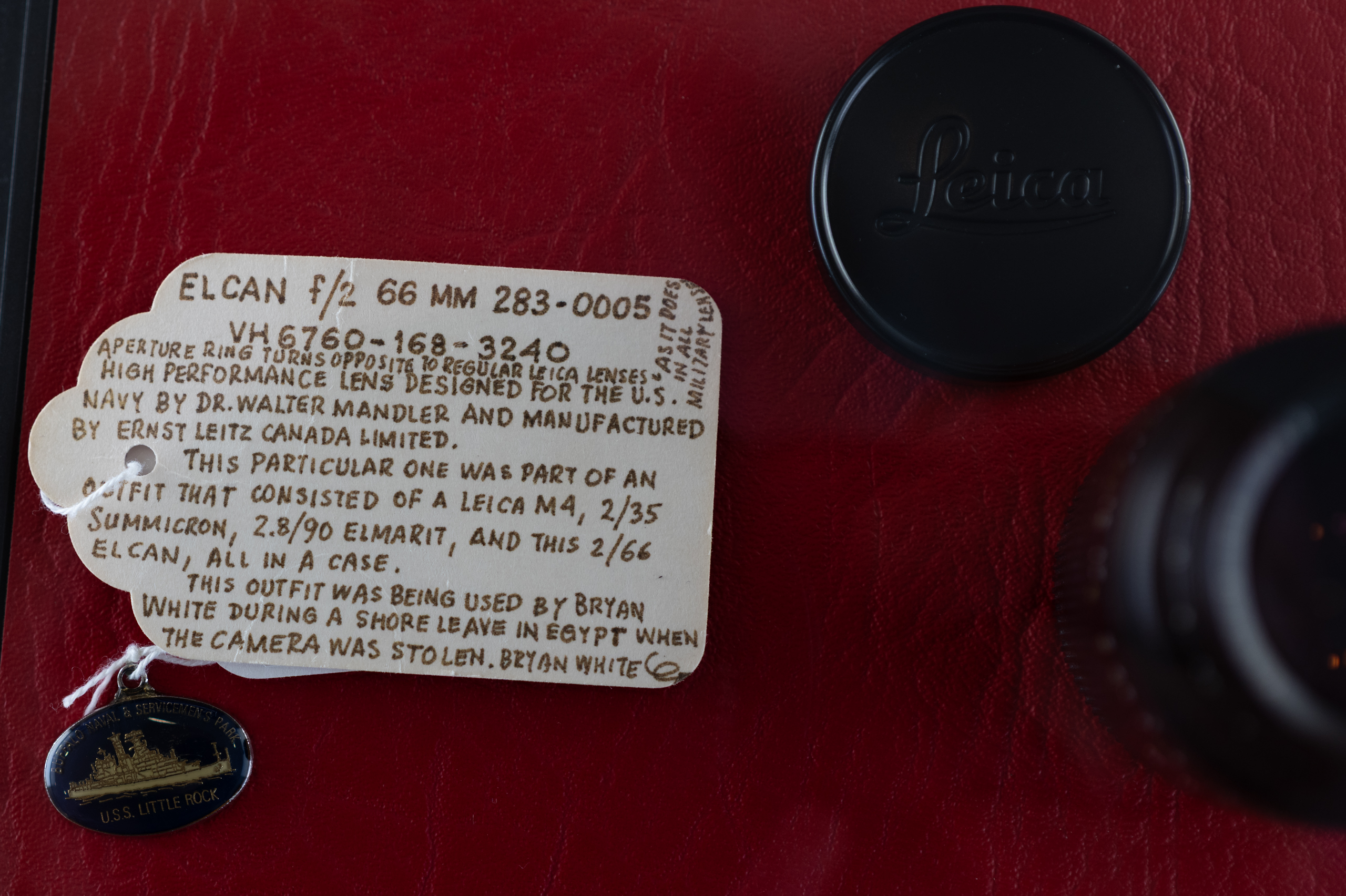
Rolf Fricke's hand written provenance tag - Leica SL3 with the new 50mm Summilux SL
Rolf Fricke's Handwritten Provenance Tag
Here is the full transcript of the tag (which is continued on the reverse side)
VH6760-168-3240Aperture ring turns opposite direction to regular Leica lenses - as it does in all Military lenses.High performance lens designed for the U.A. Navy by Dr. Walter Mandler and manufactured by Ernst Leitz Canada Limited.This particular one was part of an outfit that consisted of a Leica M4, 2/35 Summicron 2.8/90 Elmarit and this 2/66 Elcan - all in a case.This outfit was being used by Bryan White during a shore leave in Egypt when the camera was stolen. Bryan White reported the theft to the captain, and suggested a replacement camera be ordered. The captain said that the red tape involved in reporting the theft and ordering a part of an outfit was enormous and ordered the rest of the outfit to be tossed overboard, so that a whole new outfit could be ordered. Bryan went below to his bunk quarters, where he performed a little “Throw-away Ceremony”: He took the outfit and said: “now you are the Navy’s” then he pushed it away and said “Now I am throwing you away”; then he grabbed it again and said “Now I found you and now you are mine!” Aug 1987
This is a bit of a simplification, also interesting is that this label is dated 1987, whereas in the story Fricke received the lens from White in 1989. Perhaps 1987 is more likely as the Minolta CLE was discontinued in 1985.
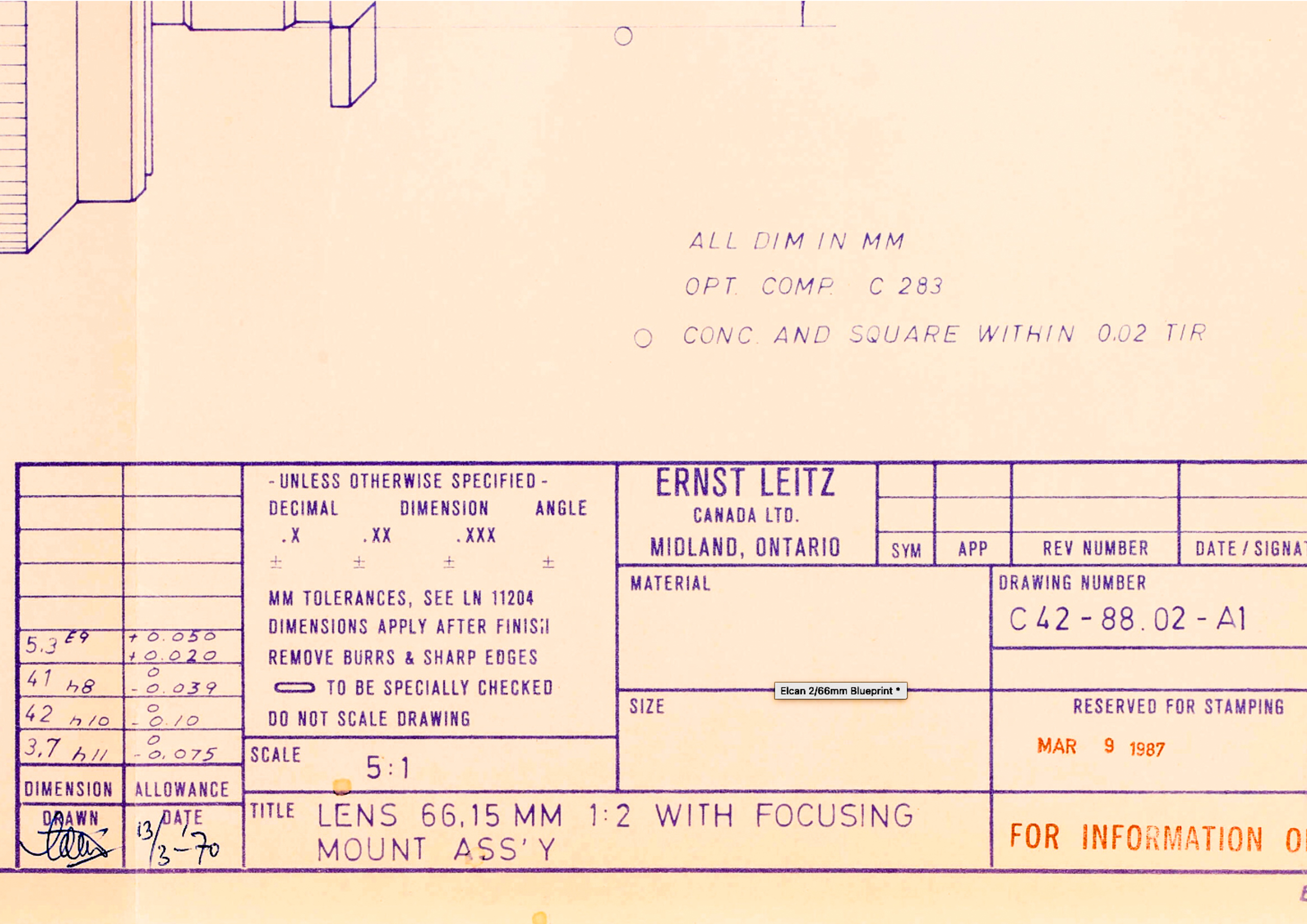
Detail from the Blueprint for the Elcan 66mm
Techie Stuff
The original design was in Drawing Number C42-88.02-A1 dated 13/3/1970This was sold at auction, but I have attached images from the auction.
In 2024 Leitz Cine released a 66mm f2 Hugo lens with an optical formula very much based around the original Elcan, so some of the work for Leica Camera had already been done.
In re-developing the lens Leica had to make several changes. This was partly because the glass used for the original lens was no longer available, but also to do with acceptance criteria and requirements of modern production lines. The original lens was made in very small quantities (200) and it isn’t clear either how stable the production was.
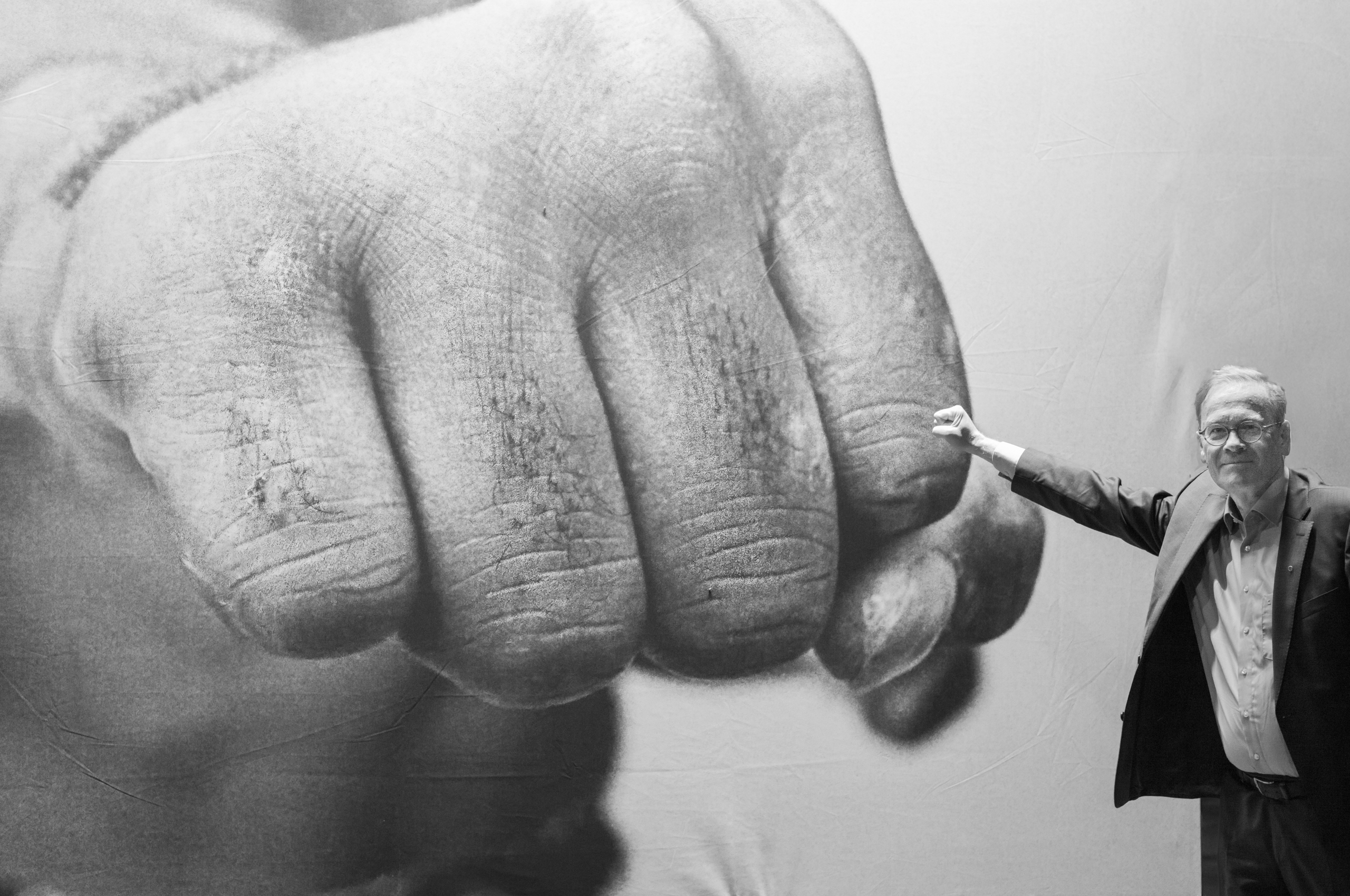
Elmar always gets his punch in first
Leica could have chosen between being as truthful to the original as possible, or to improve on it in the light of modern developments. They chose to improve on the original, both to enhance the optical performance but also to improve the robustness. This led to a slightly larger diameter of the front element, which led in turn to an increase in the diameter of the lens. (The original camera was E39 whereas the new lens is E49).
The 60 on the barrel represents the actual focal length of the lens (which used to vary slightly). It represents the number before the decimal point and the one after it of the actual focal length . . . ie 66.0 in this instance = 60. This is true of all older Leica lenses (so that a 51.5mm lens would have 15 and a 74.5 45).
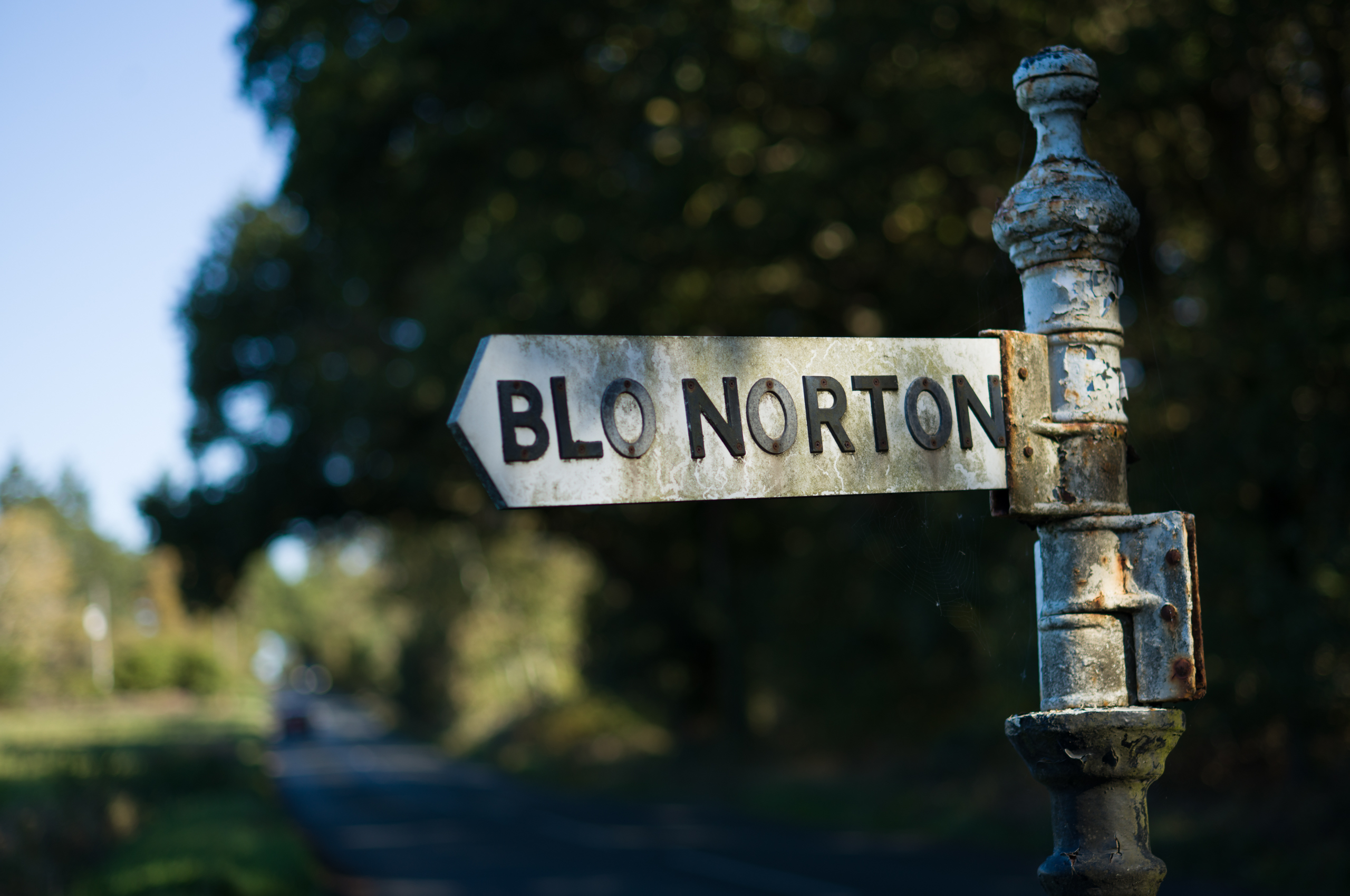
Blo-Norton
An interesting feature of all the ELCAN lenses is that the aperture ring goes the other way around from normal Leica lenses. This was presumably at the request of the American military. Having used the lens for a couple of weeks, strangely this doesn’t seem to cause any problem.
It would appear that the lens always appeared in kits with the Leica KE-7A, which was basically an M4 camera but with enhancements for poor weather and cold conditions.

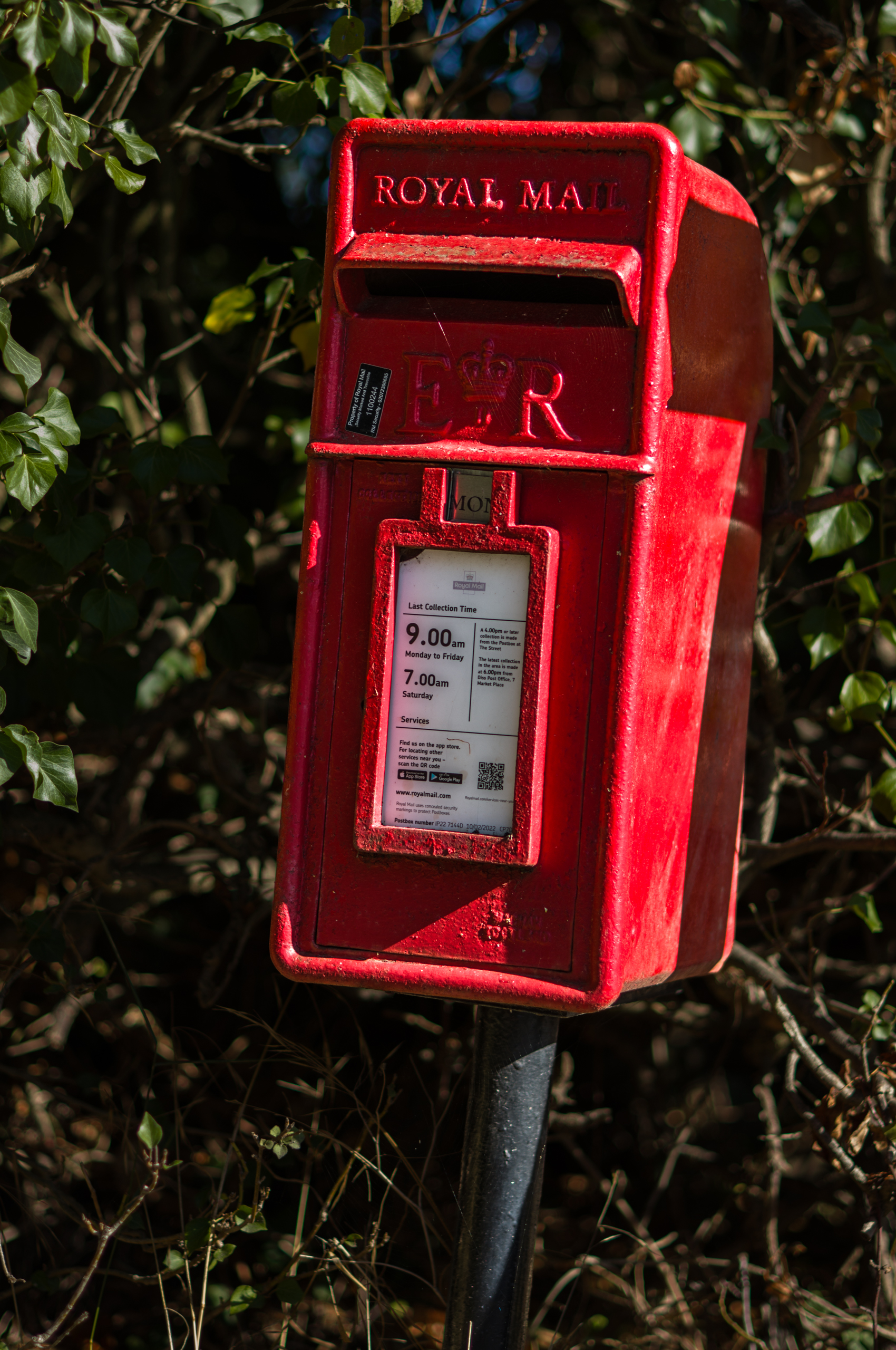
April in Wetzlar
Letter Box
Historical Note
I have been talking to Lars Netopil at Wetzlar Auctions about the lens, and he kindly read a draft of this article. He has made a couple of interesting points.
First of all there were two (slightly) different optical formulas for the original 66 mm.
First the C183
Secondly the C283 (these numbers are represented on the front of the lens)
Theoretically 200 were made, However Lars tells me that he has seen about 18 lenses over the years:
Of the 183 versions he has seen six pieces with no serial number exceeding 10
Of the 283 versions he has seen twelve pieces with no number over 30
So Lars has a feeling that there were not much more than 40 of these lenses actually made. Of course, he could be wrong and there are 160 or so hidden in a cupboard deep in the depths of some military storehouse!

April in Wetzlar
Dimensions
As discussed above, the new lens was made a little wider to accommodate the E49 filter thread as opposed to the E39 on the new lens.
It’s fairly clear looking at pictures of the lenses together that the new lens is larger, but I couldn’t find any dimensions online for the old lens (and of course I don’t have one!).
In the end I’ve looked at the engineering drawing and worked out the dimensions based on the 44mm width of the lens mount. I have included the Leica 75 APO Summicron as it is a lens that many of us own and it should give you a handle on the new 66 size.
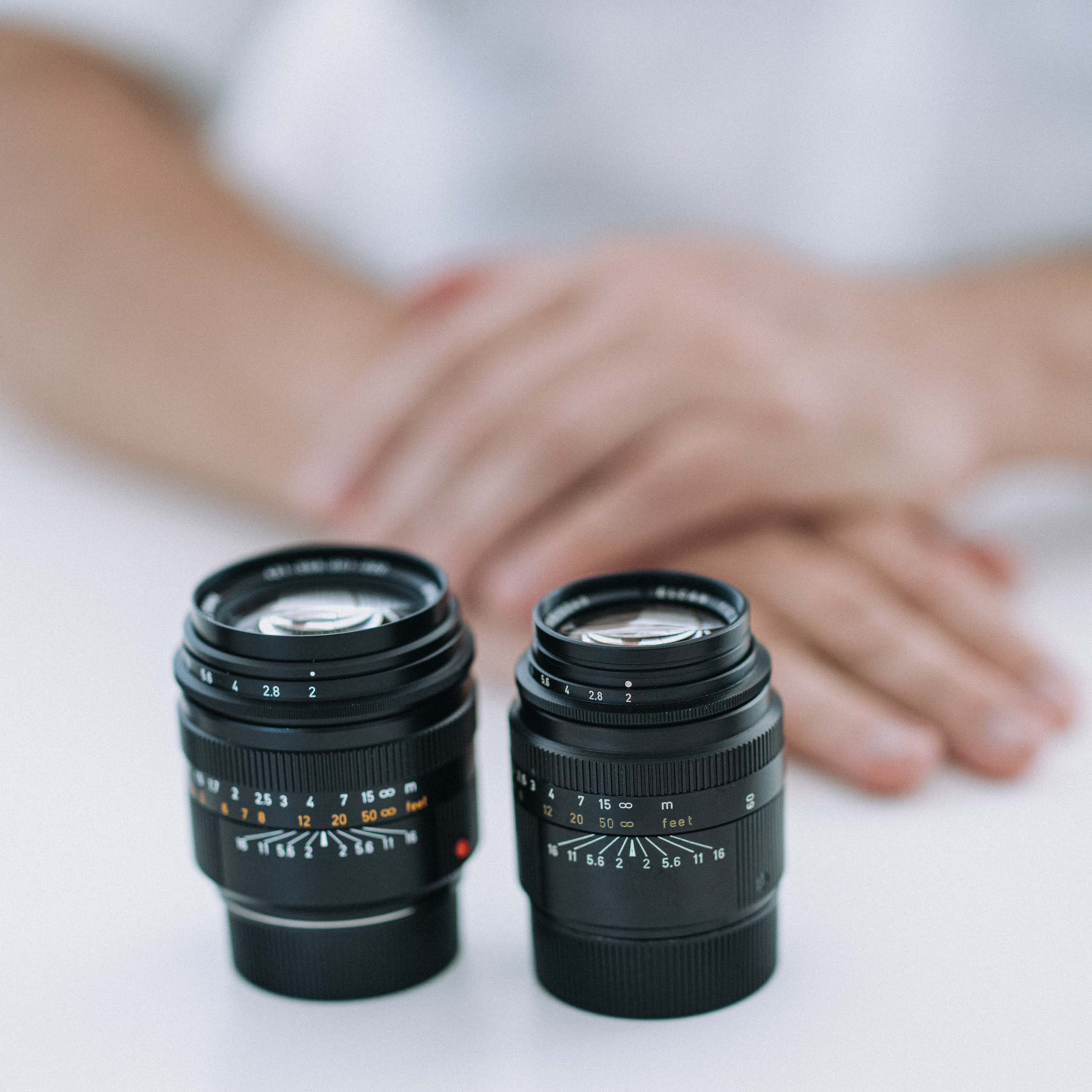
The New and Old lenses - photo courtesy of Milan Swolfs
Old Lens
New Lens
Leica75 APO Summicron
Diameter
54 mm
60.1 mm
58 mm
Length
64 mm
66 mm
67 mm
Weight
?
456 gm
430 gm
The documentation for the new lens states that it is 6omm long but I don’t think this includes the lens mount (so I have measured the lens I have borrowed).
One might suppose that the new lens is also heavier, but that is not necessarily the case (and I have no way of weighing the old lens).
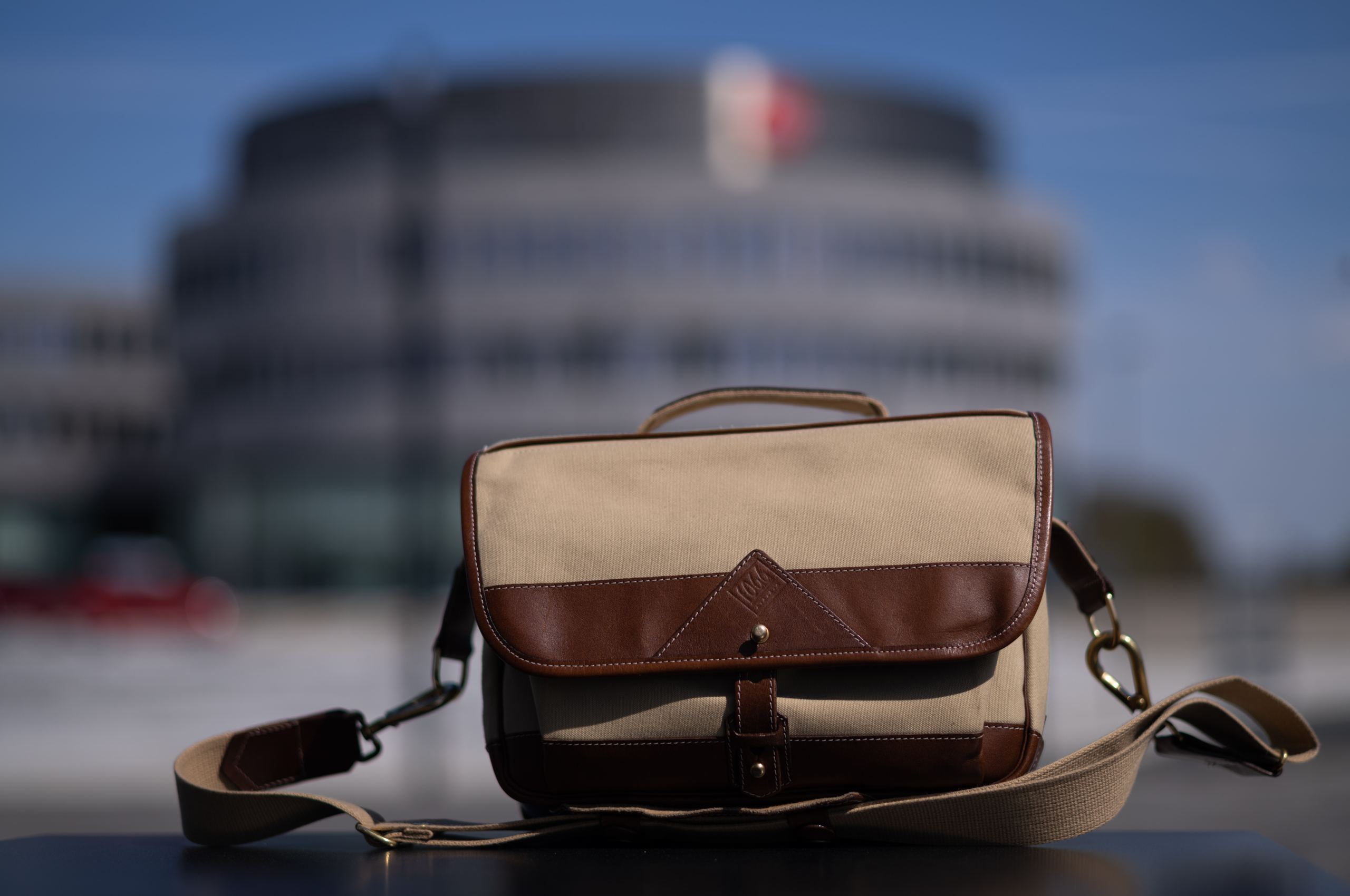
The Fogg B-Sharp at the Mothership
The Summicron-M 66 F/2
The new lens is not called the ELCAN. I understand that the owners of the name were approached, but did not reply, so the new lens has been named using Leica's normal nomenclature.
I don’t have any realistic way of comparing the old and new lenses, but I’m sure Leica have done their job well and that the new lens will be at least marginally better than the original. And it’s really good! So from now on I will concentrate on the new lens and it’s handling and image quality.
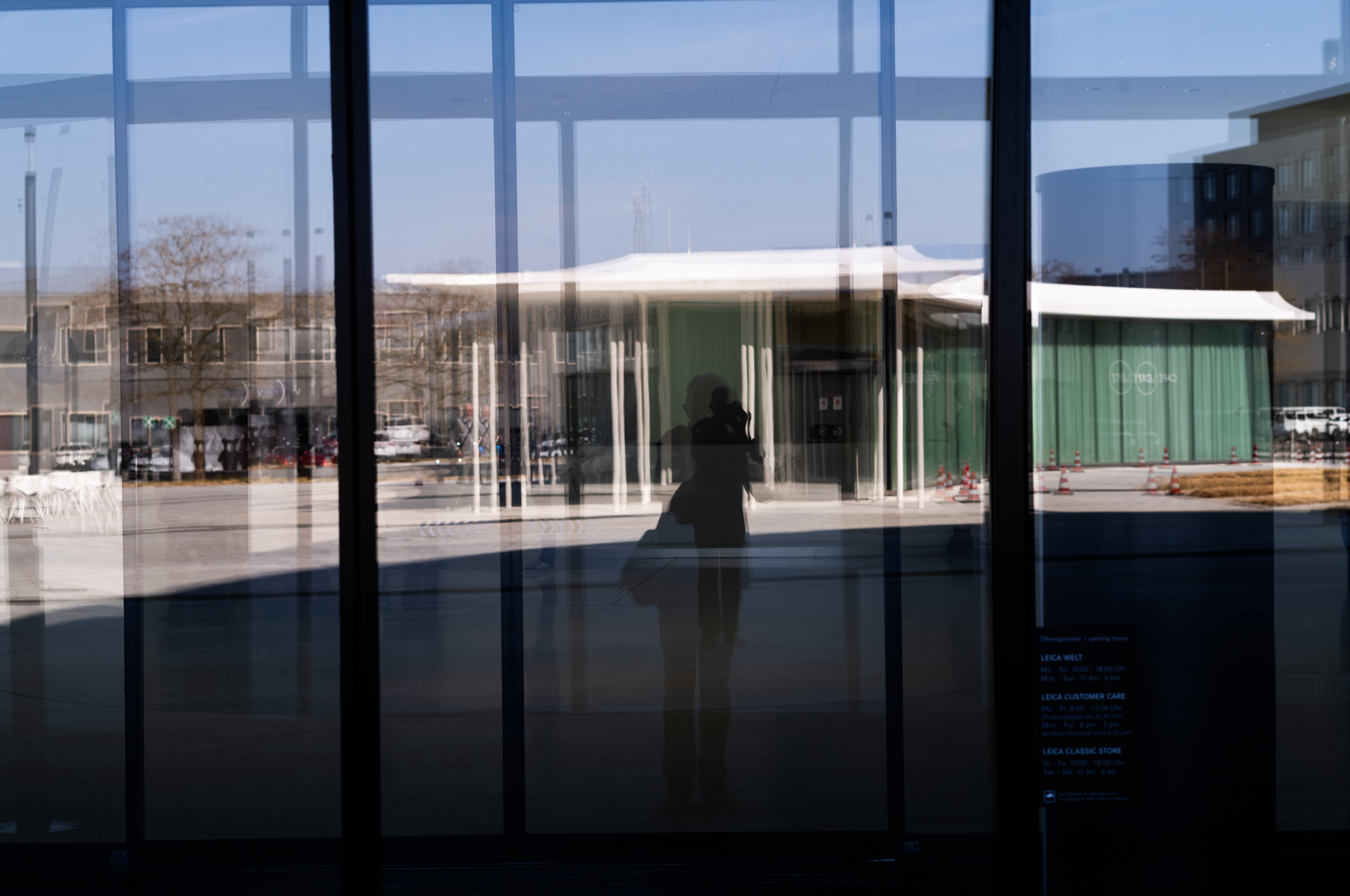
Selfie at the Leitz Cafe
Handling
It’s a really nice lens to use, it has a surprisingly short focus throw of about 60 degrees, and both the focusing ring and the aperture ring are nicely balanced and very smooth.
As mentioned before, in common with other ELCAN lenses made for the US Military the aperture ring works the other way around. I can’t speak for others, but rather surprisingly this hasn’t caused me any issues at all (unlike focus rings going in the wrong direction which drives me crazy!). I tried asking AI about this and it came up with a lovely implication that it was superceding “Standard Commercial Muscle Memory”, an interesting concept!
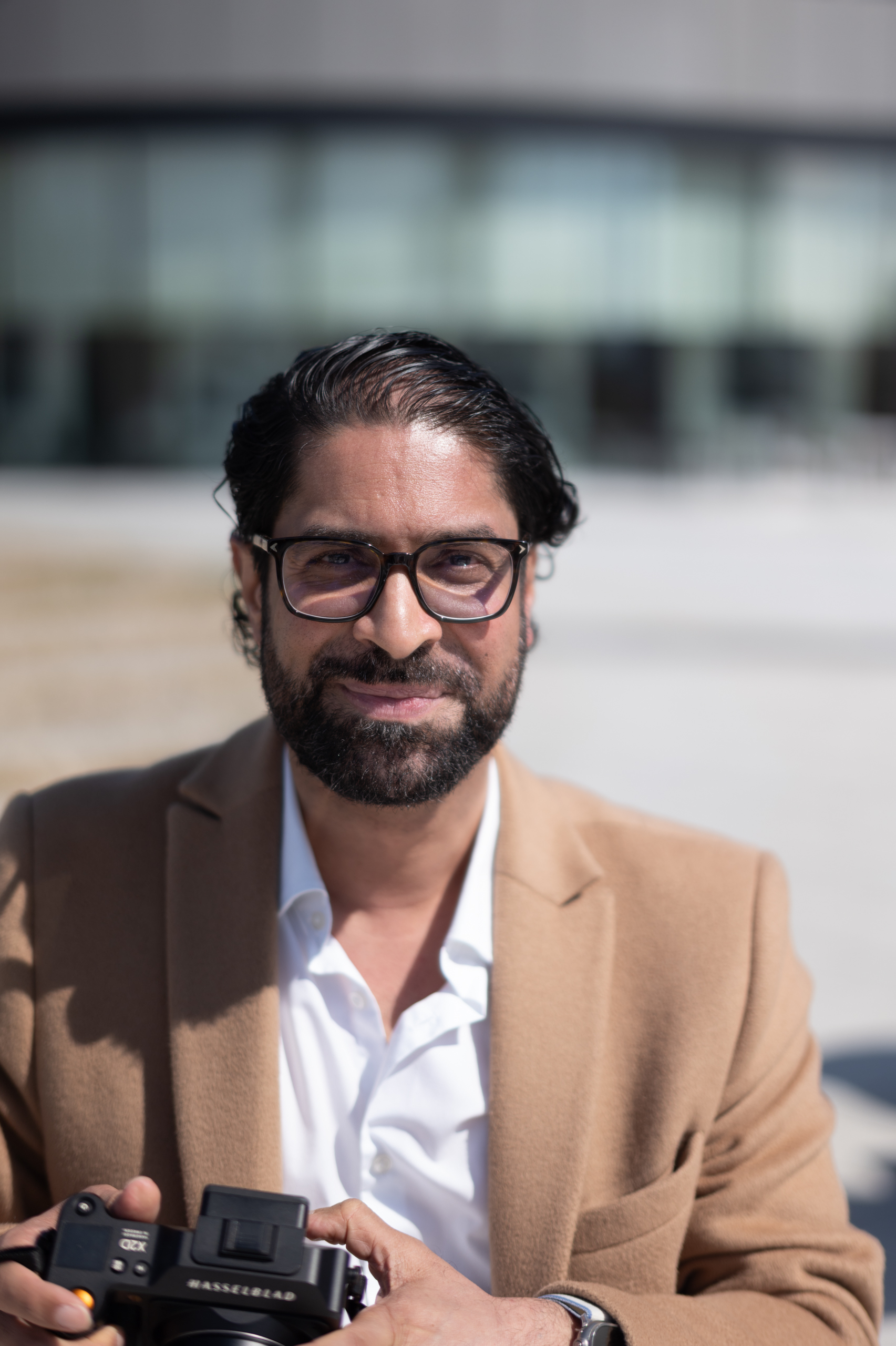

Hari and his Hasselblad!
More April in Wetzlar
The lens only focuses down to 1 metre, which is sad, but it still offers a reasonable magnification of 1:13.4. The 75 APO by comparison will go to 1:7 with it’s 0.7m minimum focus.
More surprisingly the lens is not six bit coded, so you have to choose the profile in the Manual M in the menu on the M11. This is because the number of available 6 bit codes left is quite small, in future it may be possible to use the framelines as well (which would allow 3 times as many lenses) but of course this would not work with the SL cameras: I’m sure that Leica felt that as a limited edition model it wasn’t a good idea to use up a code.
Of course there are no framelines for 66mm! However, the lens brings up the 50 and 75mm framelines and it’s pretty easy to estimate that it is ‘somewhere in-between’!
The MTF figures are remarkable, as good as for many modern lenses, but fantastic when considering that this lens was designed in 1970. On the other hand, the lens was specifically designed to have very good resolution, even wide open and in this respect it doesn’t disappoint.
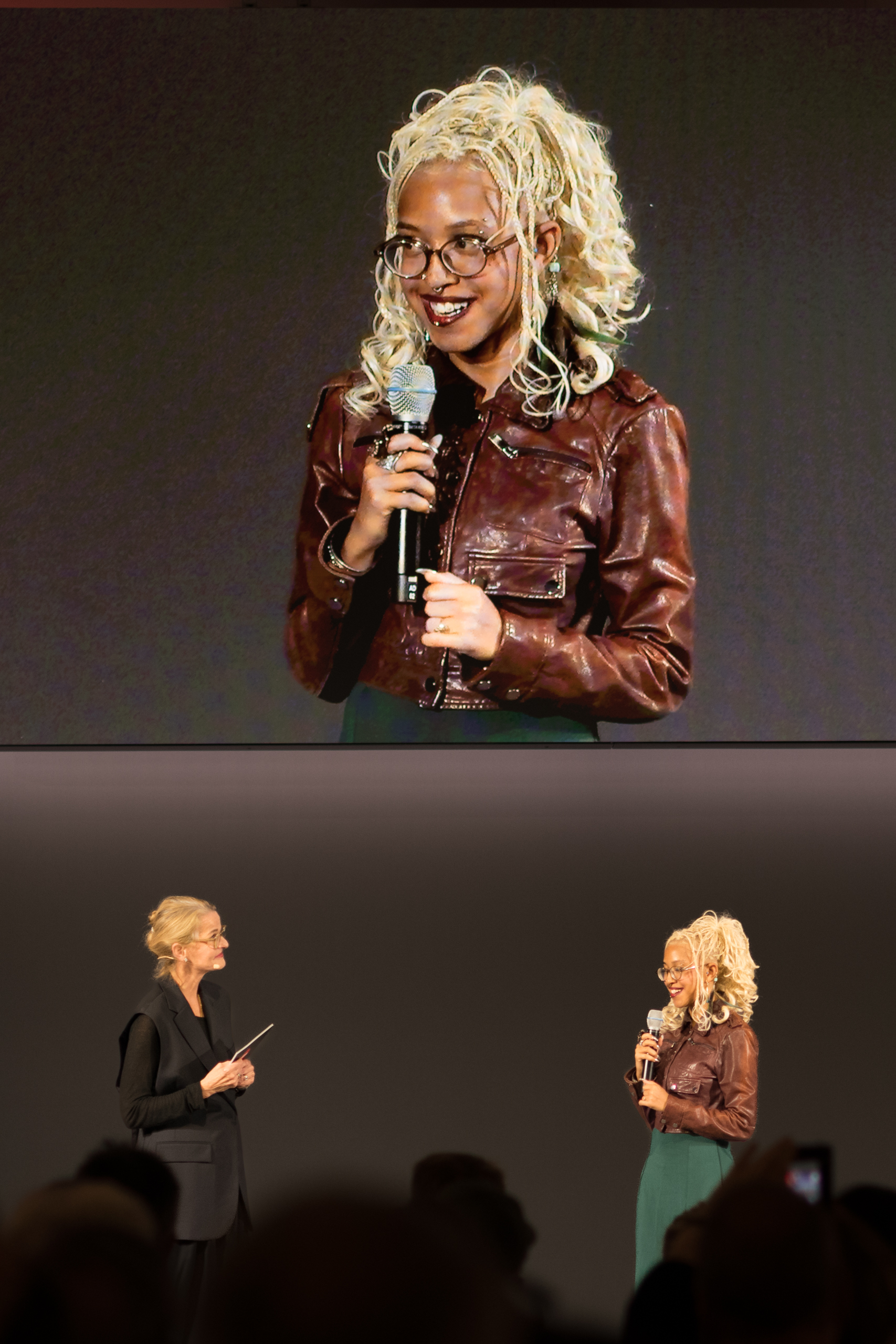
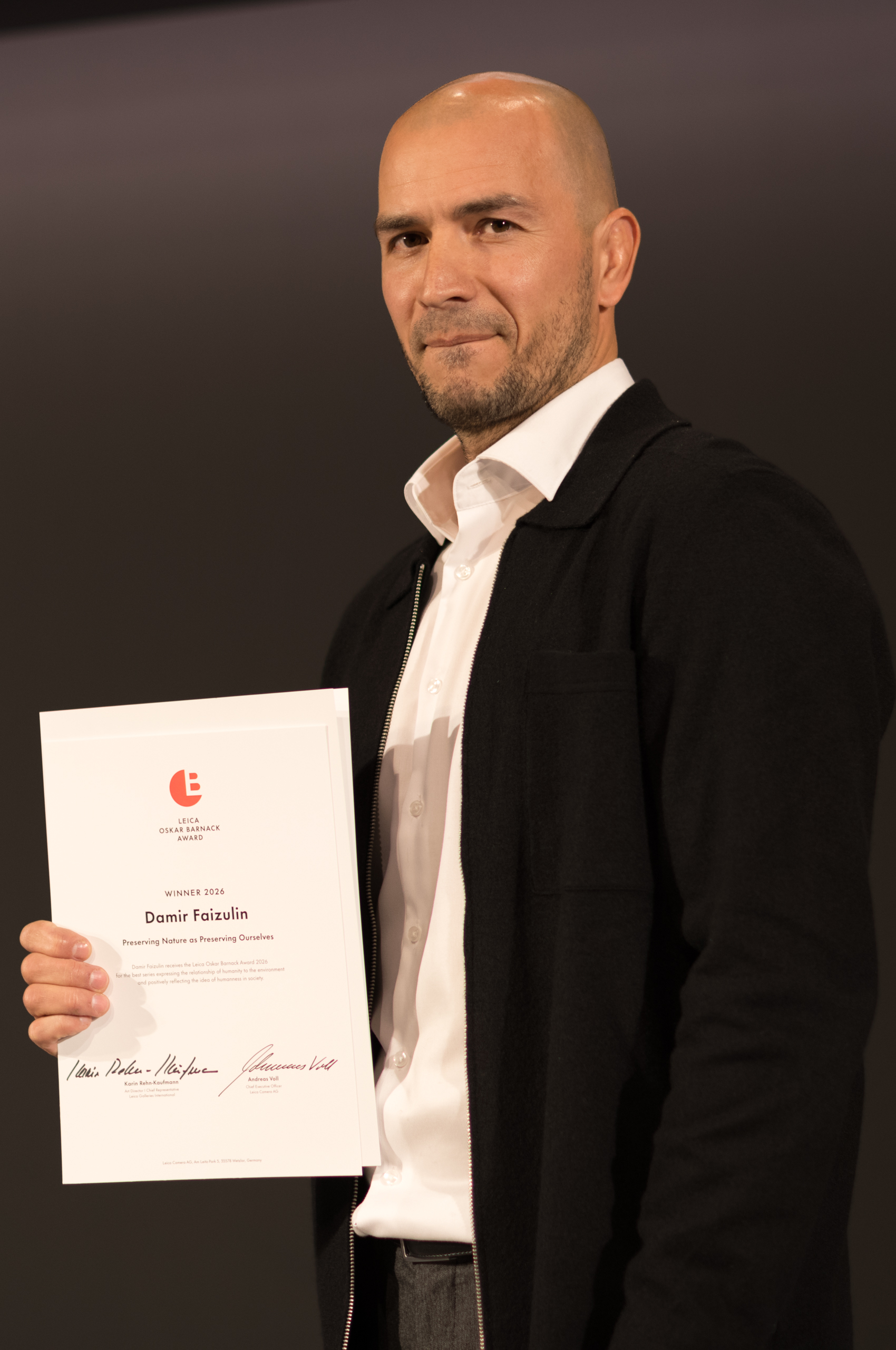
The Newcomer's Award
The Winner
Image Quality
Image quality is excellent - it’s very sharp right from f2 (especially at the centre). By f4 it’s bitingly sharp, right to the corners. In many ways it feels more like a modern lens than a classic one.
When shooting wide open the bokeh is often good, but sometimes a little edgy and odd.
It has very high contrast and a decent roll off into out of focus areas. It makes a good, short telephoto lens for portrait work.
It seems to be remarkably flare resistant (a little veiling flare, but no obvious ghosting). However it is a bit subject to chromatic aberration.
So, not much to complain about, but on the other hand I feel that it doesn’t really have any kind of classic signature. Most of the Leica reissue lenses have exhibited a real individual character - think of the f1.2 Noctilux or the 35 Steel rim. They are lenses which you would take out of the bag because you wanted a certain look. I have a feeling that this lens, whilst it represents an amazing achievement in 1970, doesn’t bring anything new to the table in 2026, at least with respect to image quality.
The Fox at Garblesham
Conclusion
I think that it’s wonderful that Leica have resurrected this interesting lens, it’s reissue brings a spotlight on those years in the 60s and 70s when Walter Mandler was working in Canada, and making lenses for the US military. Even today it makes an excellent short telephoto lens, a remarkable feat for a design which is nearly 60 years old.
I find it fascinating that this lens was designed and made 10 years before Walter Mandler’s (apparently) favourite lens; The Leitz Summilux-M 75 f1.4. I’m not necessarily the biggest fan of the 75 Summilux, but there is no question that it has a unique look, and that it’s full of character. Whilst the Elcan was a huge achievement I’m not sure that you could say that it has a unique look, or that it’s full of character. However, it is compact and thoroughly usable, has a wealth of history behind it - and it creates great images.
Several people have asked me why Leica have made it as a limited edition rather than a standard series production (like most of the other classic remakes). I think the feeling must have been that the lack of framelines, or of any very obvious individual character meant that it would only be of real interest to collectors, so why not make it a collectors item!

On the way to Dead Swan Lake
Worth mentioning that if I was going to recommend a modern short telephoto to anyone it would still be the Leica APO-Summicron-M 75 f/2 ASPH in addition to matching framelines it’s sharper, has nicer bokeh and more magnification, and it isn’t even half the price.
On the other hand, in a few weeks of fairly intensive use I have found the 66 f2 a real pleasure to shoot with; neither the reverse aperture dial nor the lack of framelines has posed a problem and the resulting images have been great.

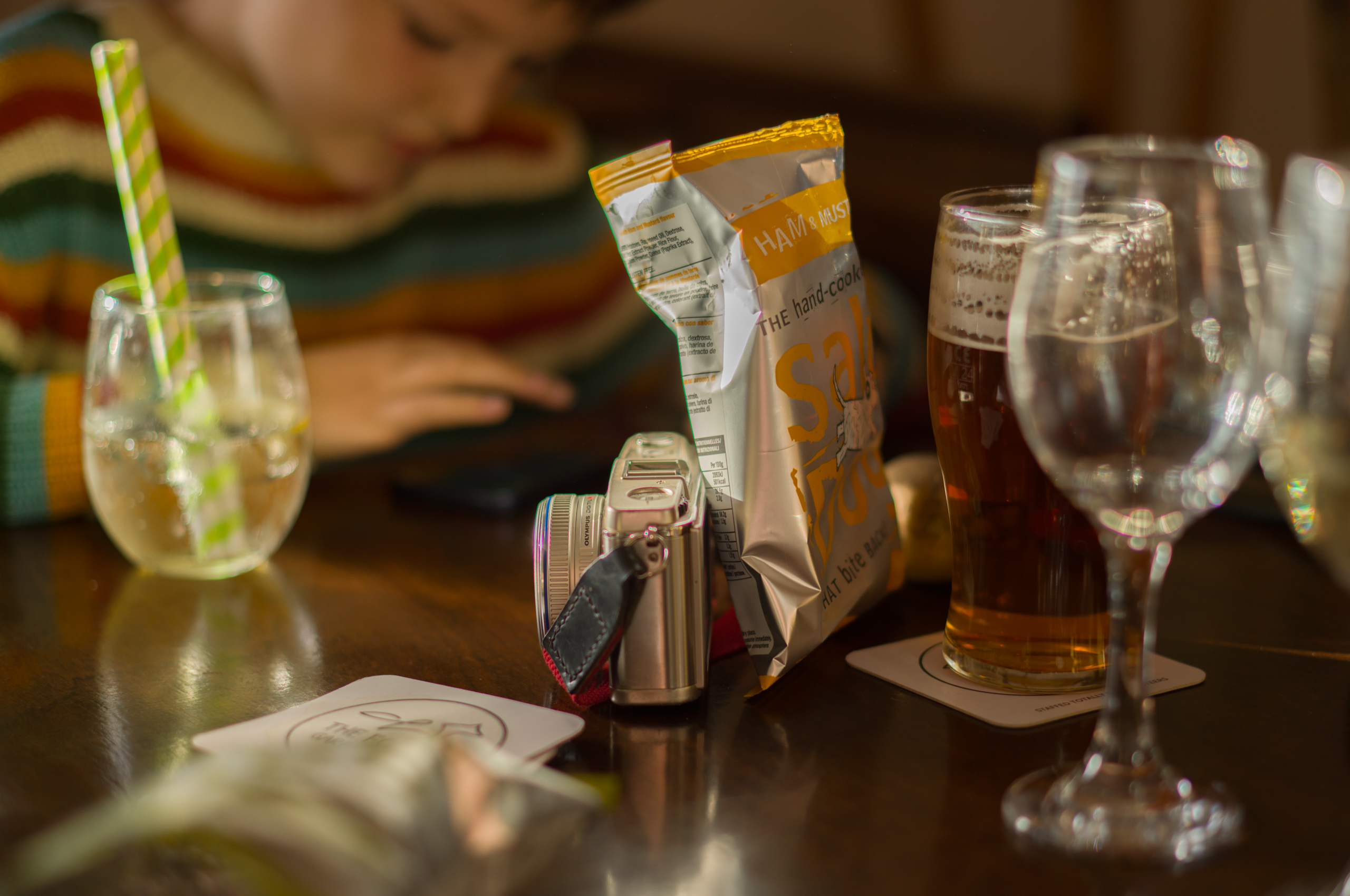
Coke Time
Acknowedgements
I’ve had lots of help from lots of people with this article.
Stefan Daniel (Mr M at Leica)
Stefan lent me the prototype lens and we have had several interesting discussions about it.
Dietmar Stuible (Head of Development Optics at Leica)
Dietmar has been incredibly helpful with his time and suggestions, and describing the changes which Leica made in the modern lens.
Lars Netopil (Wetzlar Camera Auctions)
Lars has been really helpful with historical information about the Elcan.
Elmar Streyl Elmar is a fellow Leica tester and a real friend and fellow conspirator - what's more he is a fine and interesting photographer and writes great reports himself. Do check out his website:
Elmar Streyl.
Stefan, Dietmar, Elmar, Lars and William Fagan all proof read the article for me and made many helpful comments and corrections. Thank You!
Christoph Mueller, Murat Akkas and
Stefan Janssen from product management at Leica have all been very helpful in discussions, both at Wetzlar and by email.
I’m very grateful to
Milan Swolfs for letting me use his photograph of the old and new lenses next to each other. Milan’s excellent article on the Elcan can be read on the blog section on his
website (click here) .
I would also like to thank my partners in crime for lots of interesting (and sometimes heated) discussions over Leica and photography in general.
Elmar,
Huw John,
Siggi Günther,
Alex Uehlinger, Adam Czarnowski and
Hari Subramanyan and of course the American brigade
Amitava Chatterjee,
Marke Gilbert and
Bill Rosauer.Last but not least to my family, and especially to Emma, who all put up with me snapping away, and then taking time writing these articles.
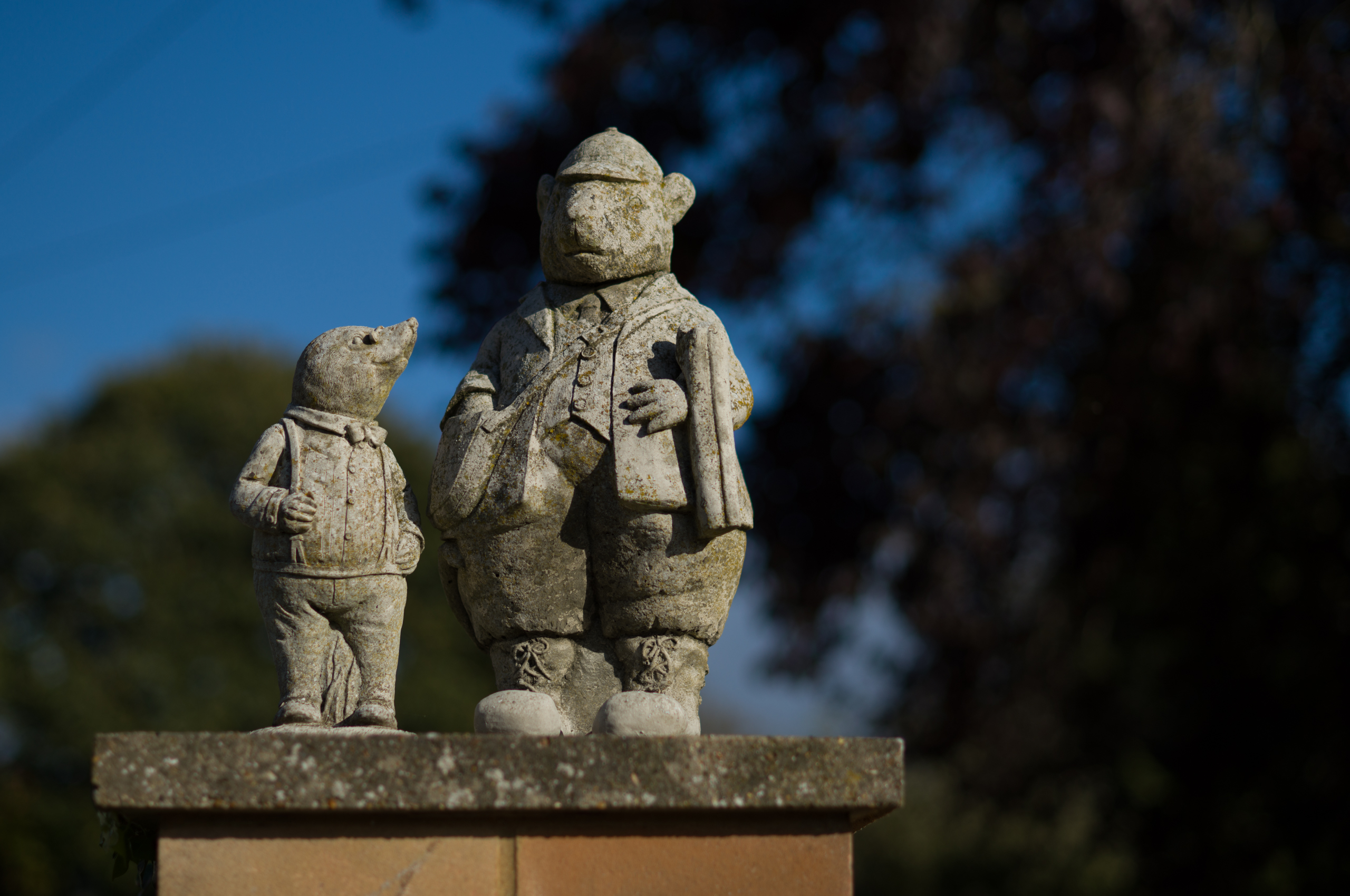
The Wind in the Willows
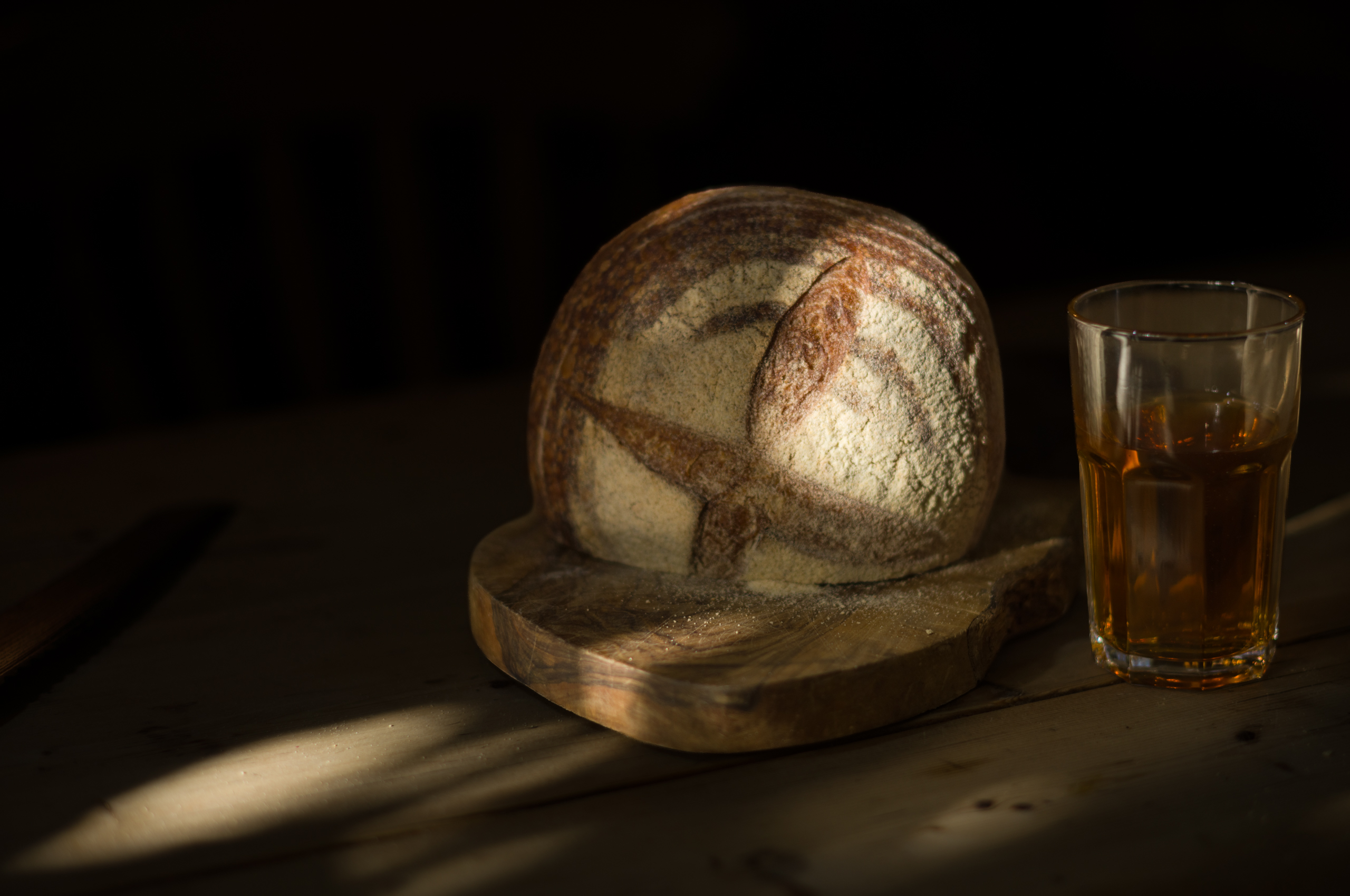
Lunch
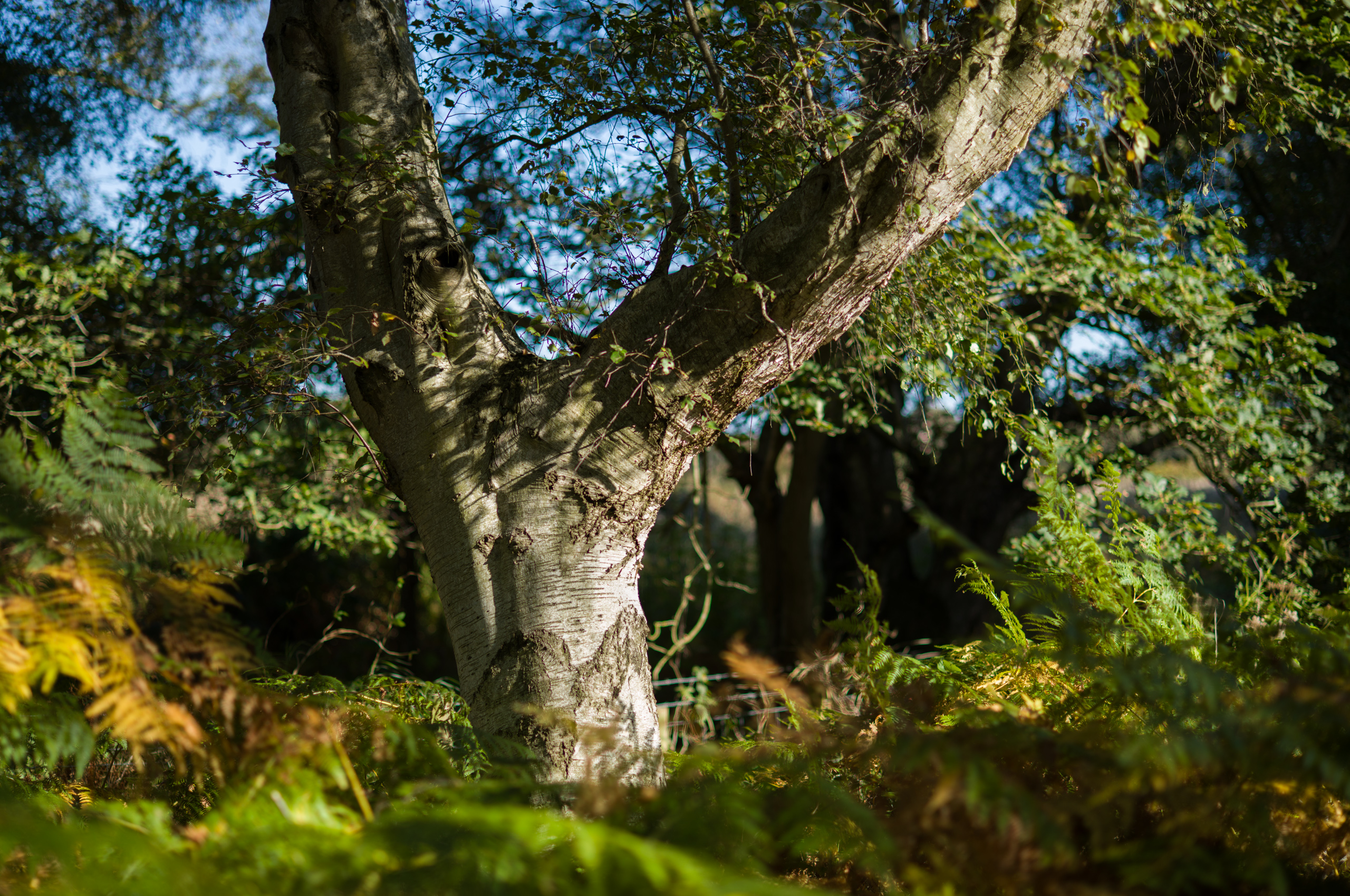
Silver Birch
All my images in this article were taken using a digital M11 variant and the reissue M-Summilux 66 f1:2
Jonathan Slack has been testing cameras for Leica since 2009, he has also been writing about them, and all the old articles can still be found on this website (maybe an index is coming!).
Jonathan Slack's duty of care is to Leica, and whilst he would never omit something he considered important, nor say anything he didn't consider to be true, it is worth remembering this when reading these articles.
There are no adverts, no click bait and nobody (Leica or anyone else) pays for these articles to be written. This is in an attempt to remain objective and not to be distracted by the hunt for clicks.
Jonathan Slack is also a member of the board of LSI (Leica Society International).
Click on the Leica Society logo below to look at the Leica Society International website where you can find a huge resource of Leica material including the article by Rolf Fricke - and join the society to learn more about Leica and photography and to meet up with like minded people.

